Please ensure Javascript is enabled for purposes of website accessibility

Category: Hip Pain

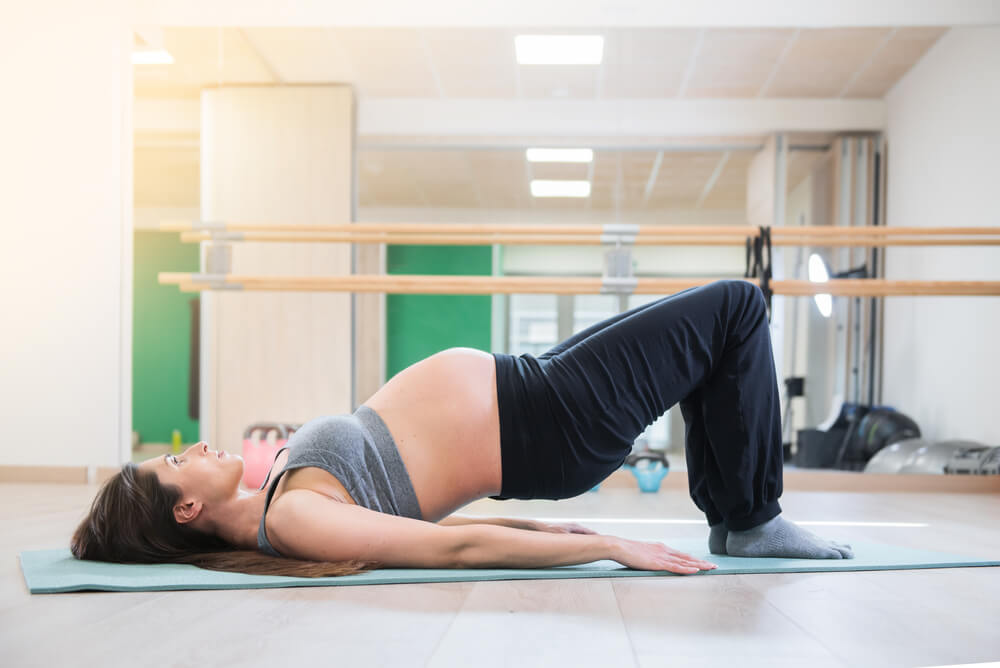
  • 6 steps physical therapists can take to treat hip pain during pregnancy

    6 steps physical therapists can take to treat hip pain during pregnancy

    Pregnancy can be an amazing and rewarding journey. That does not stop it from frequently coming with challenges, though. Hip pain, in addition to other kinds of discomfort, is a common occurrence during pregnancy. Hip pain during pregnancy can have many causes. Weight changes and issues in the pelvic floor are often contributing factors. When someone is pregnant, their body will prepare for labor and delivery by releasing special hormones. One hormone called relaxin can cause instability in the hips and pelvis. Instability in the lower body tends to cause pain and limit mobility. 

    If you are experiencing hip pain during pregnancy, it is important to find relief. Alleviating your hip pain can help you stay focused as you navigate each trimester. Physical therapists often play a pivotal role in helping people manage hip pain and other symptoms during pregnancy. Gaining a better understanding of different physical therapy strategies can be illuminating. In this blog post, you can learn more about how physical therapy can help you.

    How to address hip pain during pregnancy with 6 PT strategies

    • Postural assessment — Pelvic alignment issues can cause nagging hip pain during pregnancy. If problems with your posture and alignment are the root of your pain, physical therapy can help address your discomfort at the source. Posture-focused treatment begins with a comprehensive assessment. Your physical therapist will evaluate the way your biomechanics affect your pelvis and hips. Pregnancy can cause changes in the way you move through the world. When these changes occur, they can lead to postural issues. By correcting your posture, you can help reduce your pain and prevent further painful symptoms. 
    • Stretching exercises — Want a convenient and effective treatment option? Stretching can be a great choice. A licensed physical therapist can work with you to develop a stretching plan designed to address your personal concerns. Gentle stretches are typically used to target the hip flexors and glute muscles among others. These tailored exercises can help relieve tension in the hips. They are also meant to improve flexibility. If you are concerned about limited mobility, stretching can be highly beneficial. By helping improve your range of motion and comfort, stretching is a strong, well-rounded treatment method. 
    • Relaxation techniques — Being pregnant can be stressful. Physical therapy relaxation techniques are designed to help ease your stress, emotional and physical. Being relaxed tends to make stretching and tissue manipulation easier. As you progress on your physical therapy journey, applying relaxation techniques can help make other forms of treatment smoother and more productive. 
    • Pelvic floor exercises — Pelvic floor dysfunction can lead to many complicated symptoms. These include pelvic pain and hip issues. The pelvic floor is a complex system of muscles and other tissue that work together. The pelvic floor muscles play a crucial role in supporting your hips. When you are pregnant, the pelvic floor may be at greater risk for dysfunction. Pelvic floor exercises can help prevent issues that may lead to hip pain. Depending on your condition, your physical therapist may recommend and guide you through personalized pelvic floor exercises. 
    • Deep breathing — Breathing is essential for our moment-to-moment survival. This basic bodily function is vital for distributing oxygen as well as relaxing certain muscles. When you take a deep breath, your diaphragm expands and contracts. The movement of your diaphragm can lead to similar stretches in your pelvic floor muscles, relaxing them. By relaxing your muscles with controlled breathing techniques, you can reduce hip pain during your pregnancy. Your physical therapist can guide you through the most effective diaphragmatic breathing techniques. 
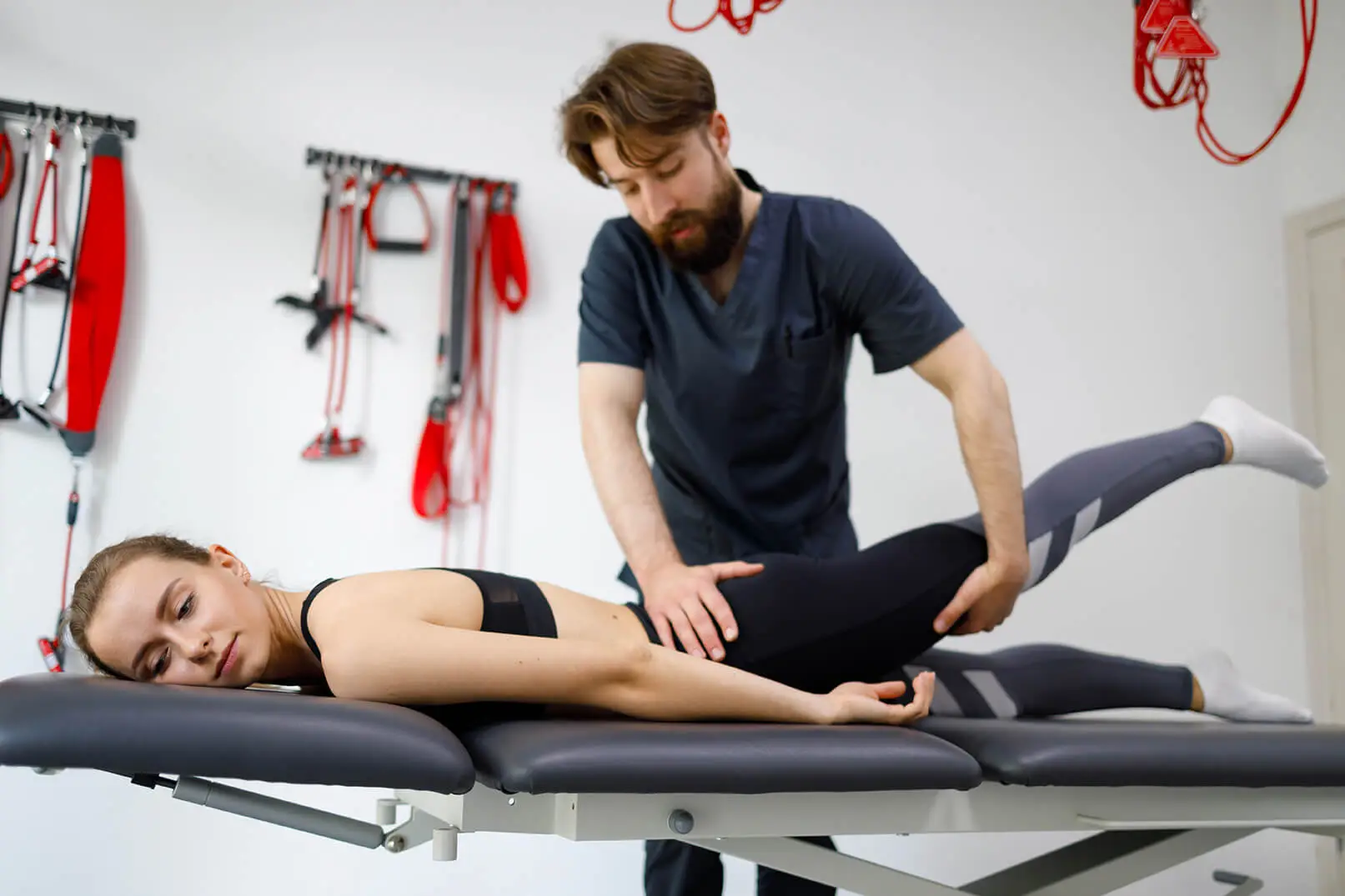
    • Manual therapy — Looking for hands-on physical therapy care? Manual therapy may be the right treatment option for you. By mobilizing and manipulating affected tissue, your physical therapist can use manual therapy techniques to promote rapid pain relief. Manual therapy techniques tend to have multifaceted benefits. They often encourage healing and build flexibility while alleviating pain. If you are experiencing muscle tightness in your hips during your pregnancy, manual therapy can be especially helpful. Techniques like soft tissue mobilization are specifically geared toward treating tense muscles and providing pain relief.

    Find relief from your hip pain during pregnancy at Continuum Wellness

    Hip pain during pregnancy is a challenging yet common issue. At Continuum Wellness, we are here to help you stay comfortable and healthy each step of the way. Our team can offer knowledge, treatment and resources to help you work toward your wellness goals. With our help, you can work to relieve your hip pain and maintain great pelvic health during your pregnancy.

    Call us or request an appointment today and let’s work together to ease any hip pain you’re feeling during your pregnancy.
  • Hip, knee and ankle pain in one leg: What could it be?

    Hip, knee and ankle pain in one leg: What could it be?

    If you’ve started experiencing frequent hip, knee and ankle pain in one of your legs, you’re likely wondering what the cause might be. This type of pain can stem from many different health conditions. Often, an injury or condition that starts in one area of the body can progress to other areas, causing more pain and problems than what you started with, like poor gait and balance. 

    What are some of the most likely causes of hip, knee and ankle pain in one leg?

    Various factors can cause persistent hip, knee and ankle pain. If you haven’t identified the source of your pain, take a moment to review these possibilities. A licensed physical therapist can help you accurately pinpoint the root of your pain and determine the best way to treat it.

    • Osteoarthritis — Osteoarthritis is a condition that causes the joints and bones in the body to deteriorate over time. A person with osteoarthritis may develop pain in an affected leg around the hip, knee and ankle joints.

    • Sprain or strain — Sprains and strains can also cause pain to occur in the tissue on one side of the body. A sprain or strain in the tissue caused by traumatic injury or frequent overuse can lead to pain in the hip, knee or ankle. An injury to just one of these can lead to pain in the others if you adjust your gait to compensate for one.

    • Tendinitis — When the tendons become inflamed from injury or overuse, it can cause pain and swelling. Tendinitis that causes pain in multiple locations along one leg usually first originates in one area of the body. Pain in more than one area of the leg usually comes from compensating for the pain during walking or other activities.

    • Sciatica — Sciatica, a condition involving chronic nerve pain in the lower half of the body, can cause a person to experience hip, knee and ankle pain in one leg. The sciatic nerve starts at the base of your spine and splits through the length of each leg. People with sciatic nerve pain often only experience pain in one leg.

    • Bursitis — The bursae, fluid-filled sacs that cushion the joints, can become inflamed from repetitive overuse and traumatic injury. When bursitis occurs, it typically causes pain at the hip or knee but can cause pain in other areas due to compensation while walking. 

    What can improve hip, knee and ankle pain that occurs in one leg?

    If you’re experiencing hip, knee and ankle pain in one leg, there are ways you can improve your condition, such as: 

    • Physical therapy — The best way to improve your hip, knee and ankle pain in one leg is by visiting a physical therapist. Physical therapists are specialists in addressing health conditions through specialized treatment. They’ll help you determine the cause of your pain and subsequently develop a plan to improve your condition and reduce any pain or discomfort over time.

    • Anti-inflammatory medication — A second way to improve the hip, knee and ankle pain you have in one leg is by taking anti-inflammatory medications, like nonsteroidal anti-inflammatory medications (NSAIDs). NSAIDs can reduce pain and swelling for a few hours and relieve pain while you take additional steps to recover.
    • Adjust your daily activities — If you perform any activities that exacerbate your pain, it’s best to adjust how you do them to avoid making your pain any worse.

    Let Advent Physical Therapy guide you toward relief from your hip, knee and ankle pain in one leg

    If you’re experiencing pain that occurs when you have hip, knee and ankle pain in one leg, our physical therapists can help. At Advent Physical Therapy, we use a variety of evidence-based PT treatments to help each one of our patients improve their physical condition.

    Our patients’ health and wellness is our first priority at Advent Physical Therapy. We understand how much getting back into peak physical condition means to you. Whether you’re dealing with an injury or aiming to improve your performance during play, we want to help you reach your unique goals. We’re a team-oriented group of professionals who work with each of our patients jointly to create the best outcomes for all. 

    We can help you create a treatment plan to optimize your health even years from now. Advent PT values building relationships with our patients and helping them prevent pain and discomfort from occurring in the future. If you want to start treatment with us, let us provide a free screening to help us address your health.

    Contact our team today for more information on how we can help ease your pain or to schedule an initial appointment with us.

  • Hip pain when sitting? Could be these 5 causes

    Hip pain when sitting? Could be these 5 causes

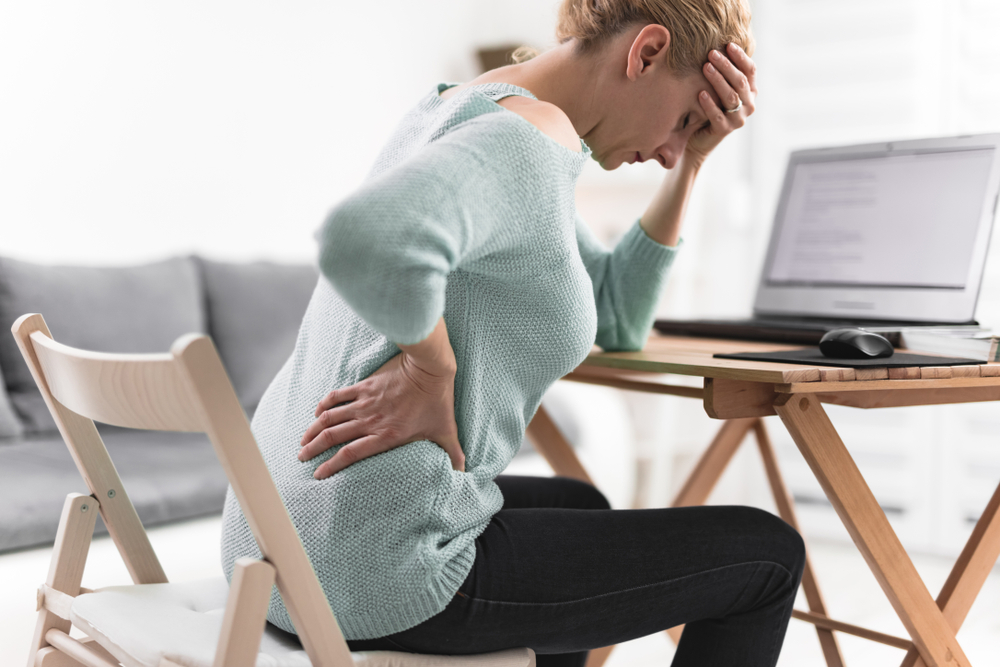
    Do you feel acute hip pain whenever you sit down? Experiencing this kind of pain can be frustrating, especially if you spend a lot of time sitting. People who work in an office or in other workplaces where sitting is common may find it difficult to get their job done because of their pain. Hip pain can be more than an inconvenience — there are often deeper underlying causes that lead to this symptom. The causes of hip pain when sitting can include poor habits, injuries and chronic health conditions. Understanding these causes can be crucial for finding relief and preventing future discomfort.

    5 common causes of hip pain when sitting


    • Poor posture — Maintaining good musculoskeletal health can help prevent pain throughout the body. When your muscles, tendons and bones are in good shape, they are less likely to hurt. Want to improve your condition? Improving your posture can be a great start. When you slouch or sit with improper alignment, it can put extra stress on your hip joints. Over time, this stress can lead to painful symptoms. To alleviate hip pain when sitting, you can improve your posture through ergonomic solutions. These are tools and techniques designed to improve the way you move through the world. If you work in an office setting, an ergonomic chair or desk can have a major impact. Ergonomic techniques can be applied at home too. By improving your posture, you can reduce your pain by keeping your body properly aligned.

    • Bursitis — Are you experiencing a sharp pain that extends from your hip to your thigh? You might have hip bursitis. Bursitis is a condition where the small sacs that cushion your joints become inflamed. Hip pain from bursitis can feel more intense when sitting, lying down and squatting. Fortunately, there are ways to address bursitis and bring you lasting relief. Physical therapy can offer several treatment techniques for the condition. One technique that is often applied is called manual therapy. This is where a physical therapist applies hands-on methods designed to treat your pain and boost recovery. With the help of physical therapy, you can reduce your hip pain when sitting.

    • Hip flexor strain — The hip flexors are a group of muscles in the hip region. These muscles play a vital role in bending your hips and knees. When these muscles are strained, it can lead to hip pain when sitting. Muscle strain has a few common causes. Overuse, sudden movements and prolonged sitting can all potentially cause hip flexor strain. A physical therapist can address this pain with gentle stretches. Exercises that work out the flexors can also help by strengthening your hips.

    • Sciatica — Sciatica is a kind of nerve pain felt mainly in the lower back and hips. The hip pain caused by sciatica might be especially noticeable when you are sitting. Sciatica occurs when the sciatic nerve is irritated or compressed. This nerve runs from the base of the spine down into the legs. As the longest nerve in the body, the sciatic nerve can cause widespread pain when compressed. Your hip pain might be accompanied by discomfort from the lower back to the lower legs. If you are experiencing sciatica, physical therapy can offer significant relief.

    • Hip labral tear — Sudden injuries can lead to continual hip pain. One kind of injury that can cause hip pain when sitting is a hip labral tear. This occurs when the hip labrum, a ring of cartilage covering the hip joint socket, is torn. The hip labrum is important for maintaining stability in the hips. When it is torn, it can cause pain whenever you sit or move the hip. Surgery may be necessary in some cases, but in many situations physical therapy can offer a noninvasive alternative. If you have an operation for your tear, utilizing post-surgical rehab can help ensure a complete recovery.

    SSOR can help address your hip pain when sitting

    Experiencing hip pain when sitting can be uncomfortable and concerning. The good news is that you can experience relief with the help of physical therapy. At Specialists in Sports and Orthopedic Rehabilitation, our expert team is ready to guide you through treatment. We offer a range of treatment options to accommodate your specific hip health needs. Prioritizing your hip health is essential for overall well-being. Practicing good posture and integrating regular stretches into your routine can be a good start, and physical therapy can help you continue to optimize your recovery with an array of effective tools and strategies.

    Contact us today for more information about hip pain causes or to schedule an initial appointment.

  • Hip pain after a car accident: Why you have it and what to do about it

    Hip pain after a car accident: Why you have it and what to do about it

    Side-impact car crashes are some of the most common car accidents causing injuries. Some people walk away with no injuries, however, some have more long-lasting pain. Pain can be sharp or dull, sudden or gradual, and the severity can depend on the cause of the pain. Prompt medical attention can help you discover injuries after a car accident. At times, the adrenaline and endorphins can mask symptoms of injuries until after the fact. 

    You have been in a car accident and are now suffering hip pain. There are several different injuries it could possibly be. Hip pain is pain in or around the hip joint or soft tissue and may be felt through the groin or thigh. Immediate medical attention is needed if your joint is deformed and/or swollen and you are having severe pain. Hips are crucial to the ability to move, and injury to the hip joint can be serious. 

    Potential explanations for hip pain after a car accident

    Your hip is made up of a ball and socket joint, the femur, and the pelvis. It allows the thigh to move in different directions and allows the hip to support the weight of your body. The hip joint has a capsule containing lubricating fluid around it and ligaments to keep the ball from slipping out of the socket. 

    Medical professionals will typically look at the entire hip joint to determine the source of your hip pain. This testing can include a medical professional feeling your leg and hip to determine the exact location of the injury. They may also move your leg and hip in various positions and test your strength by having you resist leg movement. A few of the issues that a medical professional might find as they examine you include: 

    • Hip fractures —- A hip fracture occurs if the upper part of the femur is hit hard. It is very painful and may make you incapable of walking. The pain occurs suddenly and usually gets worse when you try to move your leg or put weight on it. A hip fracture is a serious medical emergency. It almost always requires surgical repair or replacement. It also requires long-term physical therapy. Hip fractures happen 3 times more often in women than men. 
    • Stress fractures — A stress fracture occurs when the weight load on the bone exceeds the ability to heal itself. It leads to a dull ache that increases when active and weight bearing. It can often be treated at home with ice and rest if the pain and swelling are not severe. 
    • Dislocation — A hip dislocation occurs when a blow to the joint causes the bones to shift from their usual position. It is common in vehicle accidents after the knee strikes the dashboard and the hip is pushed backward from the socket. It causes intense pain and swelling that inhibits movement. Rehabilitation to restore strength and mobility is necessary. 
    • Hip labral tear — A hip labral tear is a sudden and traumatic injury to the ring of cartilage (labrum) on the outside rim of the hip joint socket. The labrum acts like a rubber seal holding the hip ball in the joint securely. A labral tear can happen in conjunction with a hip dislocation. It can be difficult to diagnose and is often misdiagnosed as a groin strain. A diagnosis takes a physical exam and consideration of symptoms. Imaging will be ordered and treated with nonsurgical options first. If it does not respond to nonsurgical treatments, surgery may be needed. 
    • Tendinitis — Tendinitis is inflammation and irritation of the tendons connecting the muscles to bones. Tendinitis can be very painful but often heals in a short time. 
    • Bursitis — The bursae are fluid-filled sacs around the joints surrounding the area where tendons, skin and muscle tissue meet bones. The lubrication they add helps reduce friction when the joint is in motion. Bursitis is the inflammation of the bursae causing pain and discomfort, limiting ways joints can move. Trochanteric bursitis can make it painful to lie on your hips. 

    How physical therapy can help hip pain from a car accident

    Those with hip pain from a car accident can benefit from physical therapy. A physical therapist can develop a plan that’s designed to help you return to pain-free activity, minimize pain while you’re healing, correct your movements, strengthen your hip and recover your range of motion. 

    One type of PT that’s often used to address hip pain is manual therapy. Manual therapy is a hands-on treatment that targets problem areas. The soft tissue mobilization type of manual therapy allows your physical therapist to apply deep pressure to tissue around joints. By doing so, your therapist can help you improve flexibility and range of motion. 

    Physical therapists can teach you as much as possible about your hip injury and a treatment plan to reduce your pain. Physical therapy for hip pain after an auto accident can also decrease the chance of future pain from auto accident-related hip injuries. This is possible because physical therapy movements pump oxygen, blood, and nutrients to the injury site and enhance healing. As a result, you can benefit from physical therapy even if the injury and hip pain from a car accident happened years ago. 

    Explore how SSOR can help you with hip pain after your car accident

    Do not delay if you are suffering hip pain from a car accident injury. We can build a personalized treatment plan for you using effective therapies. Specialists in Sports and Orthopedic Rehabilitation offers a free screening, which can be the first step toward determining the cause of your symptoms. 

    Our physical therapy experts will also create a custom treatment plan for you based on your needs. Our team at SSOR can assist you on your road to recovery from hip pain caused by a car accident. 

    Contact us today for more information about how we can help you or to schedule your initial appointment. 

  • Hip and Back Pain After Total Knee Replacement

    Hip and Back Pain After Total Knee Replacement

    Total knee replacements are pretty common and are expected to become even more so in the next few years. They’re most often performed on people who suffer from osteoarthritis or rheumatoid arthritis, and anyone who has a traumatic knee injury. 

    Although total knee replacements are meant to relieve chronic knee pain, they may actually end up causing hip and back pain. If this applies to you, keep reading for information on possible causes and the most effective treatments.

    Is it normal to feel hip and back pain after a total knee replacement?

    Yes, it is normal to feel hip and back pain after a total knee replacement. The nerves in the back and hips are the same nerves that run through the knees. When a nerve is affected in the knee during a knee replacement procedure, this can cause pain in the hip and back. It typically goes away with time on its own, but in cases where hip and back pain linger, this may be the result of something more serious. For some people, it may indicate nerve damage or an infection. 

    What are some of the causes of hip and back pain after a total knee replacement?

    • Gait changes — One of the causes of hip and back pain after a total knee replacement is gait change. After your knee replacement, you may begin to walk differently. Changes in how you walk, or your gait, may cause you to experience muscle strain or joint pain. This is because when you change the mechanics of the way you walk, the muscles, joints, tendons and ligaments in other areas of your body all have to compensate. They may eventually become irritated, inflamed, strained and even torn with overuse. If your gait changes after your knee replacement and it causes hip and back pain, you can find treatment at a physical therapy clinic. Physical therapists can help you correct your gait changes and any muscle imbalances that may be related to your hip and back pain after your total knee replacement.
    • Osteoarthritis — Osteoarthritis is one of the leading conditions that necessitate knee replacement. It’s a type of joint inflammation that often affects the hands, hips and knees. 
    • Nerve irritation — Nerve irritation or inflammation may be another cause of hip and back pain after a total knee replacement. When the nerves connected to the knee through the hip and back become aggravated during surgery, it may be felt throughout other regions of the body.

    What helps ease hip and back pain after a total knee replacement?

    • Rest.
    • Ice packs.
    • Elevation.
    • Compression.
    • Pain medication.
    • Physical therapy.

    Why should you see a physical therapist before and after your total knee replacement?

    Physical therapy is always a good option for dealing with a total knee replacement. It can be effective when completed before a procedure and even after a procedure too. It can be beneficial even years after a procedure! If you’re getting a total knee replacement, you’ll want to consider physical therapy to help you build muscle strength before your surgery. That way, you’ll lose less muscle mass during the healing process and you may be able to spend less time in the hospital before going home. If you’ve already had a total knee replacement, physical therapy can help speed up the recovery process as well as ensure that you gain the most range of motion, flexibility and strength possible. If you’ve had a procedure several years prior and you’re currently experiencing stiffness in that area, PT can help break up some of that scar tissue you may have. Physical therapists can expertly address back, hip and even shin pain related to a procedure like a total knee replacement, which is why you shouldn’t hesitate to seek care today.

    Alliance PTP is ready to help you find top-notch PT for your hip and back pain after your total knee replacement

    Don’t suffer with unnecessary pain any longer. At Alliance Physical Therapy Partners, we’re proudly bringing together physical therapy practices across the country to help people get the high-quality PT they need. 

    Want to see a physical therapist in person? We can put you in touch with an Alliance PTP partner that’s close to you and that can help you address your hip and back pain after your total knee replacement. 

    Not keen on in-person PT sessions or not close to an Alliance PTP partner? No worries. We also offer effective and affordable virtual physical therapy through our Agile Virtual Physical Therapy platform. 

    Come find help for your injury or chronic condition today!

  • Why is one of your hips tighter than the other? 4 potential explanations

    Why is one of your hips tighter than the other? 4 potential explanations

    Have you ever tried to perform an exercise during a workout that left your hip feeling tight and potentially even painful? Tightness in the hips can not only be frustrating to deal with, but can also make seemingly simple exercises and movements difficult to perform. 

    If you have one hip that’s tighter than the other, read below to learn more about possible causes and what may be the best kind of treatment for you.

    What are some of the possible explanations for having one hip that is tighter than the other?

    • Scoliosis — Scoliosis is a condition in which the alignment of the backbone is abnormal. The curvature of the spine can sometimes cause misalignments in the pelvis and hips as a result and make one hip tighter than the other.
    • Different length legs — Some people are born with differences in the lengths of each of their legs. These different leg lengths can cause an imbalance in the alignment of the hips, called lateral pelvic tilt. This pelvic tilt can also be the cause of hip tightness and hip-related conditions that cause pain or discomfort.
    • Fallen arches — When someone experiences a fallen arch, their hips may become unaligned as a result. Fallen arches can occur from being overweight, pregnancy, overpronation, or from repeated stress on the arches of the foot. When one or both of the arches of the feet fall, the hips can become affected too.
    • Muscle imbalances — Muscular imbalances are another possible cause of having one hip that is tighter than the other. Sitting in one position for too long repeatedly, for instance, can cause muscle weakness and imbalance and ultimately contribute to tightness in the hips.

    What are some of the treatment options available to those who have one hip that is tighter than the other?

    • Physical therapy.
    • Orthopedic inserts.
    • Surgery (in severe cases).

    The type of treatment that might work best for you depends on the root cause of your hip tightness. However, physical therapy is the one treatment method that may be universally beneficial in each of the scenarios that may be the cause of one hip that is tighter than the other. Keep reading below to learn why physical therapy should be your go-to treatment method to address your hips. 

    Why is physical therapy the method you should choose to treat one hip that is tighter than the other?

    • It’s noninvasive — You should want to choose physical therapy as your primary treatment method because it’s one of the most effective noninvasive treatment methods available. It’s a gentle type of treatment that allows you to operate within your pain threshold to improve your symptoms.
    • It can improve your range of motion — Another benefit of choosing physical therapy as a treatment method for one hip that’s tighter than the other is that it can improve your range of motion. The exercises you’ll be guided through are designed to increase the range with which you can move your hips and make daily movements easier to complete.
    • It can improve your flexibility — An added benefit of seeing a physical therapist for one hip that is tighter than the other is it can increase your level of flexibility. The movements you perform during each session will help stretch your hip muscles and increase your capacity to move with limited stiffness and discomfort.
    • It can alleviate some of the pain and discomfort — If the tightness in your hips is causing you to experience pain and discomfort, physical therapy is a great way to alleviate some of that. Therapists can work within your pain tolerance to strengthen your muscles and address your condition so that you may feel less pain as a result.

    What kinds of exercises might a physical therapist have you perform to address one hip that’s tighter than the other?

    • Hip flexor stretches.
    • Leg lifts.
    • Clamshells.
    • Glute bridges.
    • Banded side steps.

    SSOR can provide you with the guidance you need during PT to address hip tightness

    Here at Specialists in Sports and Orthopedic Rehabilitation, we strive to provide a level of care to our clients that they can’t get anywhere else. We supply care in a hands-on approach, treatment plans that are unique to each individual, and compassion to sweeten your care at each one of our multiple clinic locations. If you’re looking for a professional to help you address why one of your hips is tighter than the other, you’ll find what you’re looking for at SSOR.

    We value patient education, evidence-based outcomes and maintaining an atmosphere of empathy. Our team is made up of highly qualified, licensed physical therapists and experienced professionals and aim to help improve your physical health while helping you reach your wellness goals. 

    Contact us today for more information or to schedule an initial appointment. 

  • 3 factors that can cause hip stiffness after sitting

    3 factors that can cause hip stiffness after sitting

    Many people sit for several hours each day. Whether you work at a desk in an office or at home, sitting can place immense pressure and strain on your joints. Sitting for long periods of time can also restrict blood flow to the muscles around your joints, leading to hip tightness and even pain when trying to stand. 

    Common causes of general hip stiffness

    The hips are important joints used for many daily movements. They allow you to bend your legs to sit down and play a large part in walking, running, and other leg movements. Hip stiffness can stem from many underlying causes, including: 

    • Overuse injuries. 
    • Inactivity for long periods of time. 
    • Arthritis. 
    • Lack of blood flow. 

    In addition to the above potential causes of hip stiffness, several other causes that are specific to the hip anatomy can lead to stiffness after sitting. Physical therapy exercises and stretches can help address pain and inflexibility. 

    3 factors that can specifically cause hip stiffness after sitting

    Your hips are one of the most complex joints in your body. Their unique structure can bear your body weight and allow for movement of your legs at the joint in all directions. 

    With such anatomical complexity comes a high risk for injuries, such as labrum tears and strained tendons. The following conditions can lead to hip stiffness after sitting for long periods of time: 

    • Tight hip flexors — The hip flexors are muscles that help move the hip joint. Sitting puts several of the hip flexors in their shortest position. Spending hours in this position can make them reluctant to stretch once you get up. Sitting for too long can also decrease blood flow to these important muscles and lessen their flexibility. As a result, getting up from the sitting position could lead to a feeling of stiffness across the front of your hips.

    • Anterior pelvic tilt — Another factor that can cause hip stiffness after sitting is a forward-tilted pelvis. The forward tilt is referred to as the anterior position by medical professionals. This can occur after frequent periods of sitting leave the core muscles and glutes weakened. The weak muscles make it harder to hold your pelvis in a neutral position while you’re sitting, especially if you aren’t paying attention to your sitting posture. As a result, the hips become moved from their neutral position and are chronically tilted forward, leading to a greater feeling of hip stiffness.

    • Overuse and overexertion — Leg exercises like squats and deadlifts are excellent ways to increase your mobility when they’re done occasionally. However, overdoing these exercises can leave you with stiff hips after sitting. This is because working out a muscle causes microscopic tears. The muscles then get bigger as the body repairs the tears. However, overdoing an exercise that places lots of strain on the hip muscles can increase the development of scar tissue in these muscles. In turn, scar tissue can lead to less flexibility in the hip muscles.

    What can you do about hip stiffness after sitting?

    Constantly feeling that your hips are stiff after sitting can be frustrating. Thankfully, there are many physical therapy techniques that can help you regain mobility, flexibility and strength. The following are ways physical therapy may help relieve your hip stiffness:

    • Mobility training — Studies show that exercise can help ease hip pain and stiffness, especially if it’s caused by arthritis. Physical therapists can help patients gradually increase their exercise levels and range of motion so that tension in their joints and muscles can be released.

    • Strength training — Physical therapists know specific exercises that can gently increase blood flow to the hips and strengthen them against further injury. They can put together multiple exercises for you that can help you avoid stiffness after sitting.

    • Manual therapy — Manual therapy refers to hands-on treatment that targets problem areas. Joint mobilization techniques allow physical therapists to slowly move a patient’s joints, even if it’s difficult for the patient to do themselves. Soft tissue mobilization is another type of manual therapy achieved by applying deep pressure to the tissue around joints. 

    Visit SSOR to find ways to treat hip stiffness after sitting

    Too much sitting can leave your hips stiff and sore afterward; fortunately, our SSOR physical therapists can help you find ways to treat hip stiffness. We offer treatment options that can help prevent it from happening again. Come into one of our clinics in the Kansas City, Kansas, area for a complimentary screening to discover the source of your hip stiffness or pain. We can also build you a personalized treatment plan for it using effective therapies, such as: 

    Are you ready to start getting our help for your hip problems? Contact us today for more information or to schedule an initial appointment.

  • What’s your body saying when there is a sharp, stinging pain in your hip?

    What’s your body saying when there is a sharp, stinging pain in your hip?

    Hip pain can be debilitating, no matter your age. A study showed that 20% of older adults reported experiencing hip pain on a daily basis. At the same time, a study of adult soccer players showed that up to 55% of their injuries were linked to hip pain. Whether you’re an older adult or an athlete, and whether your hip pain is caused by a chronic condition or injury, you may be worried about juggling your hip pain during your daily routine.

    Your hip pain can keep you from performing normal activities like standing, sitting, walking and lying down. As a result, it can be important to pinpoint the cause of your pain to help limit your symptoms and avoid further injury. Your type of hip pain — such as dull, sharp or stinging — can help determine how to start treatment. 

    Sharp, stinging pains in your hip can be linked to a variety of specific causes. Knowing some of the reasons behind your hip pain can help you start a treatment plan, including physical therapy, that targets your symptoms and strengthens your hip joints.

    5 things that could be causing a sharp, stinging pain in your hip

    After high-impact injuries such as a hard fall or car accident, sharp, stinging pain in your hip can indicate a hip fracture. However, hip pain can also happen over time through repetitive injuries that slowly damage your surrounding muscles, tendons or ligaments. You may also feel pain as a result of a joint condition like arthritis. The most common causes of sharp, stinging hip pain can include the following:

    • Tendinitis — Tendons attach your muscles to your bone. When your tendons become irritated, either from overuse or injury, the condition is known as tendinitis. This injury becomes more common with age, but it can also occur in active adults as the result of strenuous physical activity like running. Tendinitis symptoms usually include aches and swelling; however, pain can be sharp as well. You can develop tendinitis in your hip flexor after long periods of overuse and overstretching.
    • Arthritis — Inflammation of your joints is known as arthritis. Osteoarthritis occurs when the cartilage tissue that pads your joints is worn down over time — which is why osteoarthritis is known as “wear-and-tear” arthritis. This condition can make movement painful, and you may experience a sharp pain in your hips when getting up or sitting down. 
    • Bursitis — Your joints have fluid-filled sacs known as bursae, which are there to cushion and lubricate the joints. When your bursae become inflamed, the condition is known as bursitis. This typically occurs as the result of injury or overuse. It can also develop over time if you have bad posture. It’s important to note that bursitis is one of the leading causes of hip pain. Hip bursitis can be experienced as a sharp pain in the outer part of the hip and radiate as an ache throughout the rest of the leg.
    • Pinched nerve — When your tissue becomes inflamed and swollen, your nerves can be squeezed and compressed. A pinched nerve in your hip can be very painful, leading to tingling and muscle weakness. With a pinched nerve, you may feel sharp, stinging pain in your hip when moving. You may also feel numbness spread from your hip to your leg.
    • Hip labral tear — Your hip labrum is a circle of cartilage around your hip joint, and its purpose is to stabilize your joint in its socket. If your hip has structural problems, or if you experience a sudden injury, your labrum can tear. You may feel sharp, stinging pain in your hip after long periods of standing, sitting, walking, or other exercise. You may also hear a clicking or catching sensation in your joint during movement, as well as a lack of mobility.

    How can you treat sharp, stinging pain in your hip?

    No matter the cause of your hip pain, you can treat it through a variety of noninvasive techniques. You should try the following steps when experiencing sharp hip pain: 

    • Rest — By resting your hip and avoiding long periods of standing or walking, you can allow your hip to heal while avoiding further injury. You can also break up hours of rest with short, gentle hip exercises and stretches to encourage blood flow and healing to your injury.
    • Ice — Applying ice to your hip intermittently can help decrease swelling and inflammation. Ice may also help relieve sharp, stinging pain in your hip temporarily.
    • Physical therapy — Physical therapy can be an effective method of treating hip pain, especially if it’s sharp and frequent. Physical therapists can use soft tissue mobilization techniques to help relieve pressure from your nerves or other tissue, restoring mobility over time. In addition, physical therapists can recommend the right exercises for you, creating a personalized treatment plan based on your symptoms.

    Advent Physical Therapy is prepared to treat your hip pain

    If you experience a sharp, stinging pain in the hip, you shouldn’t ignore it. Physical therapy is a safe and effective way to help relieve your symptoms and manage your pain. Our team at Advent Physical Therapy is prepared to develop a personalized treatment plan to pinpoint the cause of your hip pain and treat your condition accordingly.

    Contact our team today for more information about hip pain or to schedule an initial appointment.

  • Why do I feel pain from hip to knee on the outside of my leg?

    Why do I feel pain from hip to knee on the outside of my leg?

    Your knees and hips are intricately connected by a series of nerves, ligaments, and tendons. A simple imbalance in your hip alignment or posture can strain your knee joints and increase your pain. In fact, a study showed that more than 11% of older people reported having a combination of both hip and knee pain at the same time. This dual pain could be caused by a variety of conditions, including: 

    • Osteoarthritis.
    • Sciatica. 
    • Labral tear in the hip.
    • Iliopsoas bursitis. 

    Hip or knee pain alone can make even simple activities like getting up from a chair or walking difficult. When discomfort radiates from both of your joints at the same time, that difficulty can exponentially increase. However, none of these causes may be the source of your pain. In fact, the location of your hip to knee pain indicates that you may have a condition called iliotibial (IT) band syndrome.

    Your pain’s location can help pinpoint its cause

    Knowing the location of your pain can help medical experts determine its cause. For example, hip and knee pain that is concentrated on the outside of your leg is most often linked to IT band syndrome. This condition can cause pain to radiate pain from your hip to your knee along the outside of your leg, but it can also cause several other symptoms, too.

    Knowing what causes IT band syndrome can help you take steps to begin your treatment quickly, which may include going to physical therapy. Physical therapists can help you find a treatment plan that eases inflammation in your IT band.  

    What is the IT band?

    The IT band is a long piece of connective tissue in your leg, and it runs from the side of your pelvis all the way to your shinbone. On its way from your hip to your knee, it presses against the outside of the thigh and skirts along the outside of your knee. As a result of this placement, IT band inflammation can be a likely cause of hip to knee pain on the outside of your leg. 

    What causes IT band syndrome?

    IT band syndrome is a common knee injury caused by overuse. Your IT band can become tight and irritated after repetitive movements, leading it to swell and rub against other tissue when you bend your knee. This friction can alter the way you carry yourself when you walk. While dealing with knee pain, you may overrely on other joints — especially your hips — to bear your body weight. However, you can further inflame your IT band at the side of your hip, making you feel hip pain as well as knee pain along the outside of your leg. 

    What are common symptoms of IT band syndrome?

    Symptoms of IT band syndrome can include: 

    • Pain on the outside of your knee. 
    • Feeling a snap or pop after moving your knee. 
    • Pain that radiates from your knee to your hip, especially when moving or stretching. 
    • Redness on the outside of your knee. 
    • Achy or tender-feeling hips. 

    Who can get IT band syndrome?

    Runners are more likely to develop IT band syndrome because of their constant repetitive movements. You can also develop IT band syndrome if you sit for long periods of time. This is because inactivity can restrict blood flow to your leg and lead to the inflammation of your IT band. Additionally, IT band syndrome is more common for people whose legs are different lengths. In fact, just a slight length difference could put enough strain on the IT band to make walking painful. 

    You can also experience IT band syndrome symptoms if you have weak quadriceps, which are the muscles located at the front of your thighs. Your quadriceps help your knee move and give it support. When your quadriceps are weak, more strain and weight is placed on the IT band. This stress can lead to overstretching, increased tension and pain. 

    You can avoid IT band syndrome symptoms by warming up properly before exercise, wearing comfortable and supportive shoes, and using correct form when exercising. 

    How can you treat hip and knee pain at the outside of your leg?

    Dealing with pain that radiates from your knee to your hip along the outside of your leg doesn’t have to be part of your daily routine. Resting can help your knee heal and encourage your hip into alignment. If you’re an athlete, you should consider taking a break from training and practice until the IT band has a chance to heal. However, taking an active approach to your treatment plan can also help you feel less pain. Physical therapy exercises and stretches can be a great way to relieve tension and heal faster. 

    The following physical therapy treatments can address IT band syndrome symptoms: 

    • Stretches — When your IT band along the outside of your leg is tight, it can pull on surrounding tissue and lead to further inflammation in your knee and hip joints. Targeted stretches for the IT band can help relieve tension in the IT band itself as well as in its surrounding tissue.

    • Exercises — Your physical therapist will give you exercises designed to reduce joint pain in both your knee and hip, as well as along the outside of your leg. While strengthening exercises can help repair weak tissue, range-of-motion exercises can help restore your mobilization and flexibility. You may also be given exercises designed to strengthen your core, lower back muscle groups and pelvic muscles to better support your hip joints.

    • Custom modalities — You physical therapist can customize your treatment plan to your symptoms and try a variety of modalities to help relieve your pain. For example, manual therapy allows physical therapists to target tight soft tissue, such as the IT band, with their hands.

    Advent Physical Therapy offers treatment plans for IT band syndrome

    Our team at Advent Physical Therapy is ready to help you treat the pain from the hip to the knee on the outside of your leg that comes from IT band syndrome. First of all, we offer free screenings, and this service can help you make sure that this is the issue you’re dealing with. We also provide every patient with a personalized therapy plan, and your plan may include therapy techniques such as: 

    Take the next step to get our help with your pain. Contact our team today for more information or to schedule an initial appointment.

  • Hip bursitis recovery can be faster thanks to 2 exercises

    Hip bursitis recovery can be faster thanks to 2 exercises

    A study showed that about 2 out of every 1,000 people develop hip bursitis every year. Hip bursitis is a painful condition caused by inflamed bursae, which are fluid-filled sacs between soft tissue and bones. They help reduce the friction between bones by releasing synovial fluid that encourages joints to glide over each other easily.

    When the bursae are irritated, however, they can swell and cause the hip joint to become tender. One of the most common types of hip bursitis occurs when the bursae at the point of the hip become irritated and inflamed. Hip bursitis is one of the most common causes of hip pain.

    You can develop hip bursitis due to an injury to the point of the hip, overuse of the hip, incorrect posture or a preexisting condition. 

    Common hip bursitis symptoms

    Symptoms of hip bursitis can include:

    • Achiness or stiffness in the hip.
    • Pain after movement.
    • Swelling.
    • Redness.

    An active lifestyle, healthy diet and warmups before exercise can help prevent hip bursitis from developing. However, if you are already experiencing hip bursitis symptoms, exercises and stretches can help ease your pain and hasten recovery. 

    How long does recovery from hip bursitis take? 

    Unfortunately, the recovery time for hip bursitis can take quite a while. Many patients tend to recover in about six weeks, but others can spend as many as 12 weeks recovering from hip bursitis. 

    One way patients can speed up their recovery time is with physical therapy. In fact, one medical study showed that treatment plans that included physical therapy were 10% more effective than plans that didn’t include it. This is because physical therapy exercises can strengthen the hip and target inflammation. In addition, physical therapists can customize treatment plans that address a patient’s specific symptoms. 

    What exercises can decrease hip bursitis pain?  

    One study showed that there are two therapeutic exercises that are particularly helpful for hip bursitis. The following two exercises can target hip bursitis and relieve the swelling that causes hip pain: 

    • Single leg glute bridge

    A study showed that single leg glute bridges, or unilateral glute bridges, are a beneficial exercise for hip bursitis. This exercise is designed to strengthen the glutes without irritating already inflamed hip bursae. It also does not require outside equipment. 

    Single leg glute bridges can help patients increase their strength and mobility while reducing hip bursitis recovery time. A study even revealed that strengthening hip extensors like the glutes can alleviate pain associated with osteoarthritis and other hip conditions over time.  

    How to perform the single leg glute bridge exercise

    1. Lie down on a yoga mat or a bed with your arms by your sides and your legs straight.

    2. Tighten your abs and glutes to lift your hips off the floor.

    3. Continue to lift your hips until your body is straight from the shoulders to the knees.

    4. Slowly raise the unaffected leg until it’s extended straight out.

    5. Hold this position for three to five seconds.

    6. Return to the starting position and rest for 30 seconds.

    7. Repeat these steps until you’ve done five repetitions.
    • Clam exercise

    The same study mentioned above reports the effectiveness of the clam exercise, also called the side-lying hip abduction exercise. Physical therapists can use this exercise to build strength in the gluteus medius muscle. It is also intended to balance and align the inner and outer thigh muscles. Doing so can reduce inflammation in the hip and boost hip bursitis recovery time.

    How to perform the clam exercise

    1. Lie down on your side on the floor or a bed with your affected knee on top. Your knees should be stacked and bent at about 45 degrees.

    2. Engage your abs to stabilize your core.

    3. Slowly lift your upper knee as high as possible without tilting your hips backward. Keep your feet touching during this movement.

    4. Hold this position for two or three seconds, and then return your knee to the starting position.

    5. Continue to repeat these steps until you’ve done 15 to 20 reps.

    Peak Performance is ready to help reduce your hip bursitis recovery time

    Do you want to find out how physical therapy can reduce your hip bursitis recovery time? Our therapy team at Peak Performance is standing by to help you. We offer comprehensive free screenings to help you begin your therapy with us. Our team also specializes in building personalized treatment plans for hip bursitis and other sources of hip pain. 

    Contact us today for more information or to schedule your initial appointment.A study published by the Journal of Orthopedic and Sports Physical Therapy (JOSPT) listed single leg glute bridges or unilateral glute bridges as a beneficial exercise for hip bursitis. This exercise is designed to strengthen the glutes. And it does so without irritating the hip bursae, which means it can help reduce hip bursitis recovery time. 

    How to perform the single leg glute bridge exercise

    • Lie down on a yoga mat or a bed with your arms by your sides and your legs straight; this will be the starting position for this exercise. 
    • Tighten your abs and glutes to lift your hips off the floor. 
    • Continue to lift your hips until your body is straight from the shoulders to the knees. 
    • Slowly raise the unaffected leg until it’s extended straight out. 
    • Hold this position for three to five seconds. 
    • Return to the starting position and rest for 30 seconds.
    • Repeat these steps until you’ve done five repetitions. 

    2. Clam exercise

    The same JOSPT study mentioned above also reports the effectiveness of the clam exercise, but the study calls it the side-lying hip abduction exercise. Physical therapists can use this exercise to build strength in the gluteus medius muscle. It’s also intended to balance the inner and outer thigh muscles, which can help decrease hip bursitis recovery time (Healthline, 2018). 

    How to perform the clam exercise

    • Lie down on your side on the floor or a bed with your affected knee on top. Your knees should be stacked and bent at about 45 degrees. 
    • Engage your abs to stabilize your core.
    • Slowly lift your upper knee as high as possible without tilting your hips backward. Keep your feet touching during this movement. 
    • Hold this position for two or three seconds, and then return your knee to the starting position. 
    • Continue to repeat these steps until you’ve done 15 to 20 reps. 

    Peak Performance is ready to help reduce your hip bursitis recovery time

    Do you want to find out how physical therapy can reduce your hip bursitis recovery time? Our therapy team at Peak Performance is standing by to help you. We offer comprehensive free screenings to help you begin your therapy with us. Our team also specializes in building personalized treatment plans for hip bursitis and other sources of hip pain. 

    Contact us today for more information or to schedule your initial appointment. 

  • 4 super exercises for reducing postpartum hip pain

    4 super exercises for reducing postpartum hip pain

    Your pelvic region is a ring of bones at the bottom of your spine that includes your tailbone, your sacrum and your hip bones. When a woman gives birth, these bones can sometimes take a beating. Pain in the hips is one of the most common complaints of women who have recently given birth. Postpartum hip pain can make it difficult to sit or stand for long periods of time or to bend down and pick things off the floor. These are tasks that as a new mother you will find yourself performing often, which is why postpartum hip pain can be a real problem.

    While over-the-counter pain medication can temporarily relieve hip pain, this is only a temporary solution. Pain medications are also not recommended for women who have recently given birth and are breastfeeding. So what is the solution?

    Can I reduce my postpartum hip pain with exercises?

    Experts in physical rehabilitation say that keeping your joints moving is key to overcoming hip pain after giving birth. Here are four exercises that physical therapists recommend for reducing your postpartum hip pain:

    1. Scooping — Lie back on your elbows with a pillow underneath your knees. As you exhale, squeeze your abdominal muscles inward. You want to try to pull your belly button toward your spine. Hold this position for 10 seconds; then release.
    1. Heel slides — With your back flat against the floor and your knees bent, put your heels as close to your buttocks as you can. Slide your right heel along the floor away from you, straightening your right leg. Hold for five seconds before bending your knee back again. Repeat with your left heel.
    1. Bridges — From a lying down position, tighten your buttock muscles by pushing your low back into the ground. Raise your hips, creating a straight line from your knees to your shoulders. Squeeze your abdominal muscles inward toward your spine, and hold for 30 seconds.
    1. Pelvic tilts — Lie on your back with your knees bent and your feet flat on the floor. Slowly exhale and gently rock your hips toward your head. This should press your lower back against the floor. Hold this position and continue to breathe a few more breaths before exhaling and relaxing.

    Where can I go if I need help treating my postpartum hip pain?

    If you want an experienced partner to help you overcome your postpartum hip pain, turn to the experts at Continuum Wellness. Our team of physical therapy specialists have years of experience in treating many common conditions, including:

    Contact our team today for more information or to schedule an initial appointment. 

  • Common hip injuries that occur in the workplace

    Common hip injuries that occur in the workplace

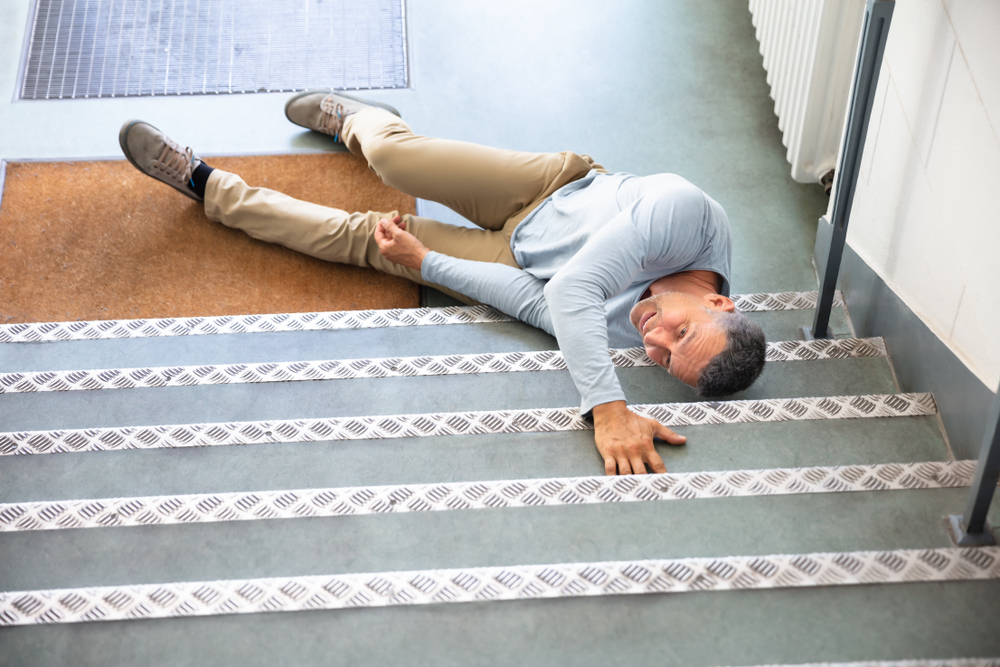
    While injuries such as muscle strains and knee injuries are far more common, hip injuries in the workplace can and do still happen. Hip injuries are often caused by overuse of muscles and joints, but they can also be caused by workplace accidents such as slipping and falling. According to the CDC, 95% of all hip fractures are caused by slipping and falling.

    Common hip injuries can lead to reduced mobility, pain, and discomfort in the hips, and may cause you to miss days or weeks of work while you recover. 

    What are some common hip injuries that can occur in the workplace?

    • Hip fractures — A fractured hip is one of the more severe injuries that can occur. This occurs due to a sudden, intense impact against the hip bone, causing the bone to fracture. This can happen due to slipping and falling onto a hard surface.
    • Hip sprains — Hip sprains can occur when the muscles in the hip form microscopic tears that can become worse due to overuse. Someone who is constantly running back and forth may be susceptible to a hip sprain.
    • Hip impingements — Sometimes the ball of the hip joint pinches the strip of cartilage that runs around the rim of the hip socket. This is known as a hip impingement injury and can happen during vigorous activity. It is often a result of an underlying issue with hip bone formation. If left untreated, the condition can become more painful and lead to hip osteoarthritis. People in physical jobs may aggravate an existing hip impingement by overusing their hip. 
    • Hip labral tears — Repeated movement or overextension of the sockets in the hips can cause the cartilage between the hip bone and the upper leg bone to tear. This results in severe pain and difficulty moving the joint. Hip labral tears can develop in workers who do tasks involving repetitive hip movements such as frequent twisting. They can also occur in workers who slip and fall onto their hip. 

    How can physical therapy help treat my common hip injuries?

    If you’ve suffered from a common hip injury while in the workplace, Panther Physical Therapy is here to help. We work with you as well as your primary care physician to determine the best course of physical therapy treatment for you. We can then employ a number of methods to help you recover, including:

    Panther Physical Therapy also works with all workers’ compensation insurances. A free screening at one of our clinics will help us get you started on the road to recovery.

    Contact our team today for more information about help for an injured hip or to schedule an initial appointment.

When Was Your Appointment?

We recently changed bill pay providers. Please click the button for the date of your appointment to be directed to the correct online payment portal.