Please ensure Javascript is enabled for purposes of website accessibility

Category: Hip Pain

  • The connection between IT band syndrome and hip pain

    The connection between IT band syndrome and hip pain

    Connective tissue helps to provide support and structure for the organs and soft tissue throughout your body. There’s one band of connective tissue that runs along your leg, called the iliotibial band, that may be the source of your hip pain.

    The iliotibial band, commonly referred to as the IT band, is connective tissue that starts on the outside of your hip, runs down your leg, and stops on the outside of your shinbone just below your knee joint. If the IT band is overused, it can cause an injury that leads to hip pain.

    How IT band syndrome is linked to hip pain

    The IT band works to support your outer knee joint by collaborating with your outer thigh muscles during movement while helping to stabilize and move your hip. When there’s an issue with the IT band, you can also have an issue in your hip.

    IT band syndrome refers to an overuse injury. It develops when the connective tissue becomes irritated or tight, leading to pain and swelling in your hip. Hip pain that’s linked to the injury often worsens during movement. It can also spread from the thigh to the hip. 

    Anyone can develop IT band syndrome; however, it’s more prevalent among athletes, especially distance runners. The symptoms occur when the band rubs against the greater trochanteric, which is a bony structure located at the top of the thighbone that makes up the most prominent part of the hip.

    Besides hip pain, IT band syndrome can cause other symptoms, including:

    • Discoloration on the outside of the knee
    • A clicking sound when you extend or bend your leg
    • Swelling

    Peak Performance Sports and Physical Therapy can help alleviate IT band hip pain

    IT band syndrome can cause hip pain that interferes with your ability to carry out everyday tasks, such as climbing the stairs in your house or cleaning up clutter. Physical therapy is an effective, noninvasive option for alleviating hip pain and the reduced mobility that may come with it.

    At Peak Performance, we can guide you through stretches and strengthening exercises that can alleviate the symptoms of IT band syndrome, including hip pain, while also improving the overall quality of the affected area.

    Call us or request an appointment today to alleviate hip pain caused by IT band syndrome.

  • 3 physical therapy treatments for hip bursitis pain

    3 physical therapy treatments for hip bursitis pain

    When you have hip pain, every step can be uncomfortable. There are several potential causes of hip pain, such as fractures, pinched nerves and osteoarthritis. But there’s a common condition, called hip bursitis, that may interfere with your overall quality of life if left untreated.

    There are two major bursae, which are fluid-filled sacs that work as cushions between bones and surrounding soft tissue, located in the hip. When the bursae become inflamed due to repetitive motions or sudden injury, it can lead to pain and stiffness. Fortunately, the right physical therapy treatments can ease those symptoms.

    3 physical therapy treatments that can help ease hip bursitis pain

    When you go to a physical therapist for hip bursitis pain, they’ll complete an evaluation of your symptoms. They’ll also assess aspects of your physical health, such as your strength, flexibility, range of motion and balance. Then they’ll design a personalized plan of safe and effective treatments to help alleviate your pain as well as improve the overall quality of your hip.

    Here are three effective treatments used by physical therapists to help hip bursitis pain:

    1. Exercise — One of the pillars of every physical therapy treatment plan for hip pain is targeted exercises. A physical therapist will guide you through exercises that will strengthen and stretch the muscles in your hip. The goal is to alleviate pressure being placed on the bursae. These exercises also increase support for the affected joint.
    1. Electrical stimulation — A common type of pain management used for hip bursitis is electrical stimulation, which involves sending mild electrical pulses to the affected area. It’s used as a way to reduce the pain signals being sent to the brain. Electrical stimulation can also help relax the hip muscles and boost blood circulation to accelerate the healing process.
    1. Dry needling — Your physical therapist may recommend dry needling to alleviate your symptoms. Dry needling involves using thin filament needles to stimulate contractions in the trigger points of your hip muscles. By increasing blood flow to your hip and improving mobility, inflammation is reduced..

    Peak Performance Sports and Physical Therapy can help you ease hip bursitis 

    Hip bursitis can impact your ability to comfortably carry out your daily activities, from walking your dog to crouching down to tie your shoes. With the right physical therapy, you can alleviate the pain, restore your hip’s range of motion and reduce the risk of future issues.

    At Peak Performance, we’ll make sure that your treatments are effective for your hip bursitis based on the severity of your symptoms, your medical history and your overall goals. Techniques like targeted exercises and dry needling are just a couple of examples of how we can help alleviate your pain.

    Call us or request an appointment today to ease your hip bursitis pain. 

  • 4 potential causes behind aching pain in your hip joint

    4 potential causes behind aching pain in your hip joint

    When you have joint pain, every movement can make you wince. While it’s possible to develop aching pain in nearly any joint, it’s commonly felt in the hip joint due to the day-to-day strain. Joint pain often occurs alongside reduced range of motion and stiffness, making it challenging to carry out daily activities.

    4 possible reasons you may be experiencing pain in your hip joint

    An aching pain in your hip joint can be caused by a variety of reasons, including medical conditions, injuries and temporary issues. Here are a few possibilities: 

    • Overuse — Your hips get put through a lot on a daily basis, especially if you do activities that place repetitive stress on the hip joints, such as playing sports or heavy lifting. If you overuse the joint, it can lead to an aching pain in your hip, stiffness and reduced mobility.
    • Hip flexor strain — It’s possible to strain your hip flexor muscles, which connect your hip to your thigh. Damaging your hip flexors can lead to pain in your hip joint, cramping, bruising and swelling. A strain can come from either repetitive hip joint movements or quick and sudden movements.
    • Arthritis — There are several types of arthritis that can develop in the hip joints and cause an aching pain, though osteoarthritis and rheumatoid arthritis are two of the most common. Both types can cause hip joint pain, stiffness and reduced range of motion.
    • Fracture — When you have a break in the thighbone of your hip joint, it’s known as a fracture. The hip joint pain from a fracture can range from an aching pain to severe pain. Hip fractures can develop from a fall or blunt trauma, such as a car accident. A hip fracture often requires surgery.

    Rehab Access can help reduce the burning, aching pain in your hip joint

    While an ache is often seen as less worrisome than sharp pain, when that ache starts to affect your overall quality of life, it can be helpful to see a physical therapist. At Rehab Access, we can design a personalized treatment plan for your hip joint pain based on the likely cause, the severity of your symptoms and your physical capabilities.

    We’ll work to reduce the aching hip pain and improve the strength and range of motion of your joint to reduce the risk of recurring pain or future injuries.

    Call us or request an appointment today for aching pain in your hip joint.

  • “Why do my hip and lower spine hurt?” 3 possibilities

    “Why do my hip and lower spine hurt?” 3 possibilities

    When you have pain in your hip and lower back, your mind can jump to all sorts of possible conclusions. Some of the potential explanations aren’t a call for concern, such as sleeping in an awkward position, while others may be medical conditions and injuries that require further treatment.

    By learning about the different reasons you may be feeling pain in your hip and lower spine, you can gain insight into when you should book an appointment with a health care provider.

    3 potential reasons behind your hip and lower spine pain

    If you’re experiencing persistent or worsening hip and lower spine pain, talk to your provider about your concerns. They can do an evaluation of your symptoms and potentially run diagnostic tests, such as X-rays, to determine the cause.

    Here are three possibilities that could explain pain in the hip and lower back, also known as the lumbar spine:

    • Sciatica — Your sciatic nerve runs from your lower back and down the back of your legs. If this nerve becomes compressed or pinched, you can develop sciatica and experience pain in your lower back and hip, often in one side of your body. Other symptoms of the common condition include weakness, numbness and tingling.
    • Degenerative disc disease — Also known as osteoarthritis of the spine, degenerative disc disease occurs when the spinal cord discs between the vertebrae start to break down, which can lead to pain in the lower spine and hips. You may also experience stiffness and muscle weakness in your legs.
    • Spinal stenosis — It’s possible for your spinal canal to narrow for a variety of reasons, including aging, injury, arthritis and herniated discs, causing spinal stenosis. It can cause pain in your lower spine, hips, buttocks and legs. Other symptoms of spinal stenosis include numbness, tingling and weakness.

    Rehab Access can help address and alleviate your hip and lower spine pain

    When you have lower spine and hip pain, it’s nearly impossible to ignore throughout the day. If the pain is interfering with your mobility, it’s time to book an appointment at Rehab Access.

    Using an evaluation in your first appointment, we can determine the likely cause of your pain, as well as the safest treatment options, such as exercises and dry needling, to alleviate it.

    Call us or request an appointment today if you have hip and lower spine pain.

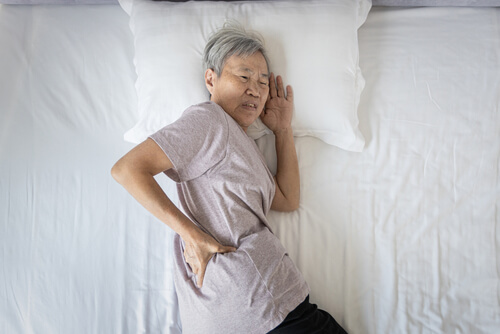
  • 3 tips for relieving hip pain from sleeping on your side

    3 tips for relieving hip pain from sleeping on your side

    We all have our go-to sleeping positions, and each has its pros and cons. For instance, sleeping on your back can improve the alignment of your spine but can also worsen snoring. When you sleep on your side, you’re keeping your airways open but also increasing the likelihood of feeling hip pain in the morning.

    If you’re feeling hip pain from sleeping on your side, it can interfere with your mood and activity level for the rest of the day. Keep reading to discover a few tips to help alleviate your current pain and reduce the risk of recurring hip pain.

    3 tips to fix hip pain from sleeping on your side

    Whether you sleep on your side every night or you decided to test out a different position, waking up with hip pain can be frustrating. Here are three ways to relieve or prevent hip pain from sleeping on the side:

    • Use a pillow — Hip pain from sleeping on your side is often due to spinal misalignment. You’re also irritating your hip joint due to the natural gravity pushing on your hip muscles. Try placing a pillow between your knees before closing your eyes. Not only can it help improve your alignment, but it also keeps your pelvic bone level. 
    • Take a pain reliever — If you’re looking for temporary pain relief that can help get you through daily activities, ask your doctor about taking over-the-counter medication. Acetaminophen or nonsteroidal anti-inflammatory drugs, like aspirin, may help with hip pain.
    • Go low impact — We all know how important regular exercise is. And when you’re trying to reduce hip pain, low-impact exercises can help alleviate the pain while strengthening the affected muscles for increased joint support. Exercises like walking or yoga can reduce the pressure placed on your hip joints that’s contributing to your pain.

    Rehab Access can help alleviate recurring hip pain from sleeping on your side

    While it’s not unusual to change sleeping positions now and then, many people sleep the same way for years. If you’re a side sleeper who has recurring hip pain when you wake up, you might need further support beyond the tips we shared in this post.

    At Rehab Access, we can help treat your hip pain with a personalized treatment plan. Potential courses of action that we may include are targeted exercises and manual therapy. 

    Call us or request an appointment today to alleviate hip pain from sleeping on your side.

  • Physical Therapy Hip Strengthening Exercises 

    Physical Therapy Hip Strengthening Exercises 

    Despite their reputation for being a sure indicator of someone’s advanced age, the hips are the strongest area of the body and are remarkably resilient. As the muscular center of your body, the hips are vital in allowing you to walk, sit, and move well in general throughout your life. And while most of us take advantage of our hips’ strength and flexibility in our youth, at some point we recognize their importance when that strength needs some intentional intervention. 

    Benefits of hip strengthening exercises

    The benefits of keeping your hips strong, resilient, and mobile are obvious when you’re in hip pain. Simple tasks such as getting out of bed, driving a car, and moving around your home are exponentially more difficult with stiff or painful movements. 

    On the other hand, the benefits of targeting your hips through functional exercise and physical therapy last beyond the time it takes to heal from an injury or hip surgery. 

    Strengthen joints weakened by aging

    With few exceptions, when the muscles around your joints are strong, your joints are strong and resilient. A major part of the aging process is muscle atrophy and bone density decrease, which means your hips and other joints become increasingly vulnerable to injury and damage even from normal lifestyle activities.

    The old saying tends to be true when it comes to your joints and muscles: “if you don’t use it, you lose it.” Wear, tear, and injury lead to pain and aches that make it harder for you to enjoy a normal life. On the other hand, continuing to move and strengthen joints at risk of atrophy allows you to keep moving pain-free for longer.

    Prevent injury

    When you prioritize your hips in your exercise plan, you safeguard the center of your posture, walking gait, and balance, helping you prevent falls. Having strong muscles in the hips also provides extra tissue cushioning and resistance to hyper-extending or dislocating the joints—injuries that otherwise become increasingly common as you age.

    Improve quality of life

    Another benefit of hip exercises is more anecdotal, but valuable for many people nonetheless. As people adopt a physical therapy routine or exercise plan, they tend to have more energy and a more positive outlook on life. Countless studies show people who are physically active on a regular basis are better at managing stress, have lower risk of cardiovascular disease, and even sleep better. 

    Examples of physical therapy exercises for hip

    Stretching and low-impact exercises are key parts of a physical therapy routine for strengthening several hip muscles. Examples of hip strengthening exercises for physical therapy include: 

    • Sitting leg lifts 
    • Hip bridge – single or double leg 
    • Exercise band walk 
    • Clam shell 
    • Step-downs 
    • Chair squats 

    Increasing mobility also involves both static stretches and resistance stretching provided by a physical therapist. Hip stretches include: 

    • Kneeling hip flexor stretch 
    • Hamstring stretch 
    • Quadricep stretch 

    Not every exercise or stretch is correct for everyone looking to strengthen their hip muscles or rehabilitate after hip surgery. Especially after a hip procedure, the joint is vulnerable to injury and improper movement or strain can cause problems or make existing ones worse. This is why it’s important to consult with a licensed physical therapist before starting a new exercise or stretching routine.  

    Hip and orthopedic physical therapy in NC

    Maintaining and improving your hip strength and flexibility can bring a host of benefits to your life both now and in the long run. Especially if you’re preparing for hip replacement surgery or another hip procedure, it’s always a good time to seek a personalized hip strengthening exercise plan. If you or a loved one is looking for professional guidance on how to navigate a unique set of health concerns, our hip specialists at Carolina Strong can help. Start a conversation with our team by calling one of our eastern North Carolina office locations today. 

  • Physical Therapy Home Exercises for Hip Pain

    Physical Therapy Home Exercises for Hip Pain

    Hip pain is a common problem that affects people of all ages, whether they are athletes, seniors, fitness enthusiasts, or active adults. Many who have had hip surgery also face recovery challenges. The good news is that you don’t need expensive treatments or gym equipment to alleviate hip pain. You can find relief right at home. This blog post will guide you through effective physical therapy exercises for hip pain, helping you regain strength and mobility. 

    Understanding Hip Pain 

    Hip pain can arise from various causes, including injuries, medical conditions, or surgeries. The hip joint is essential for almost every movement, and when it becomes weak or injured, even simple tasks like walking or bending can be painful. Addressing hip pain early with effective exercises can prevent further complications and improve your quality of life. 

    By incorporating these physical therapy exercises for hip pain into your routine, you can enhance your hip strength and mobility, leading to a more active and pain-free life. 

    Benefits of Physical Therapy for Hip Pain 

    Physical therapy offers numerous benefits for those dealing with hip pain. Here are some key advantages: 

    • Hip Pain Relief: Targeted exercises can reduce inflammation and ease hip pain. 
    • Improved Hip Mobility: Strengthening hip muscles can boost your range of motion. 
    • Prevent Future Hip Injuries: Regular physical therapy exercises help prevent future hip problems. 
    • Customized Hip Pain Treatment: A physical therapist can create a personalized exercise plan tailored to your specific needs. 

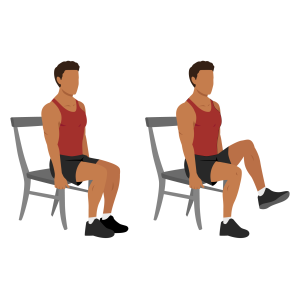
    Hip Marching Exercise 

    Hip marching is a simple and effective home exercise to improve hip flexibility and strengthen hip flexor muscles. Here’s how to perform it: 

    1. Sit on the edge of a chair. 
    1. Raise one leg as high as possible while keeping your knee bent. 
    1. Slowly lower your foot back to the floor. 
    1. Repeat with the other leg. 
    1. Continue for 5-12 repetitions, depending on your comfort level or as advised by your physical therapist. 

    Physical Therapy Home Exercises for Hip Pain Hip Pain

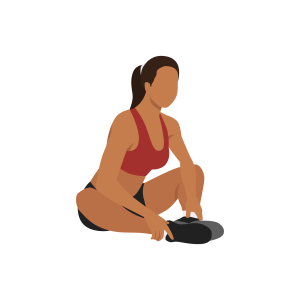
    Butterfly Pose for Hip Flexibility 

    The butterfly pose is excellent for stretching hip muscles and improving flexibility. Follow these steps: 

    1. Sit on the floor with your knees bent outward, soles of your feet touching. 
    1. Place your hands under your feet and interlock your fingers. 
    1. Gently press your knees down with your elbows. 
    1. Hold for 30 seconds. If comfortable, bend forward over your legs. 
    1. Maintain this position for one minute. 

    Physical Therapy Home Exercises for Hip Pain Hip Pain

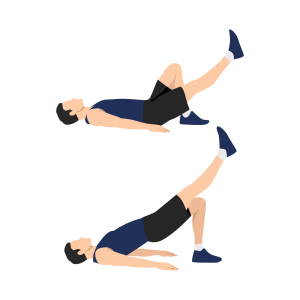
    Strengthen Glutes with Single-leg Bridge 

    The single-leg bridge is a fantastic exercise for strengthening the gluteus maximus and enhancing hip stability. Here’s how to do it: 

    1. Lie on your back with your palms pressed down by your side. 
    1. Bend your knees and place your feet close to your hips. 
    1. Extend your right leg into the air and raise your hips as high as possible. 
    1. Hold at the top for 30 seconds. 
    1. Slowly lower back to the starting position before switching legs. 

    Physical Therapy Home Exercises for Hip Pain Hip Pain

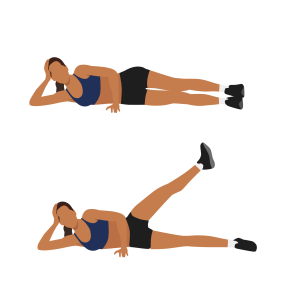
    Side Leg Raises for Hip Stability 

    Side leg raises are great for targeting the gluteus medius, the main side muscle of the hip. Follow these instructions: 

    1. Lie on your side with your legs straight and stacked on top of each other. 
    1. Bend the elbow nearest the ground to support your head. 
    1. Slowly raise the top leg to shoulder height or as high as comfortable. 
    1. Hold for a second before lowering it back down. 
    1. Repeat 10-20 times, based on your comfort level or as directed by your physical therapist. 
    1. Switch sides and repeat with the other leg. 

    Physical Therapy Home Exercises for Hip Pain Hip Pain

    Incorporate these at home hip exercises into your routine to improve hip flexibility, strength, and stability. Regular practice can lead to better overall hip function and reduced tension in the hips. 

    Connect with Rehab Access Physical Therapy 

    Choosing the right physical therapy clinic is crucial for effective recovery from hip pain. At Rehab Access Physical Therapy, our expert physical therapists specialize in hip movement and function. We thoroughly examine your walking, movement, range of motion, strength, and coordination to accurately identify the source of your hip pain. 

    Our personalized evaluations help us develop targeted manual therapies and physical therapy exercises designed to reduce pain and restore normal function. While home exercises can be beneficial, consulting with a professional physical therapist ensures you receive personalized guidance to perform exercises correctly and avoid further injury. 

    Don’t let hip pain hold you back. Incorporate these simple physical therapy exercises into your routine to alleviate pain, improve mobility, and regain strength. Consistency and proper guidance are key to effective recovery. 

    Ready to take the next step in your recovery journey? Contact our expert physical therapists at Rehab Access Physical Therapy today. We offer hip pain relief treatments at multiple locations across the New Orleans area, including (Metairie, Belle Chasse, and Gretna). We are dedicated to providing the care you deserve. 

    [maxbutton id=”2″ ]

    [maxbutton id=”3″ ] 

  • 7 causes and treatments for hip pain that occurs when sitting

    7 causes and treatments for hip pain that occurs when sitting

    We often only recognize pain when we’re in motion, because we’re likely applying stress to the affected muscles and joints. But sometimes, we don’t recognize pain until we’re at rest. When it comes to hip pain, it’s possible that you’re only experiencing the ache when you’re sitting at your work desk or eating dinner at your dining room table.

    Hip pain that occurs when sitting can be frustrating, because it’s impossible to stay on your feet all day. Since the action of sitting can’t be avoided, acknowledging the hip pain shouldn’t be avoided either. By determining the likely cause of pain in your hip when you’re sitting, you can take the right steps to alleviate it with safe and effective treatments.

    We’ll dive into the possible explanations for hip pain when sitting before exploring potential treatment options that may help, including physical therapy.

    7 possible causes for hip pain when sitting

    Not all hip pain when sitting is a call for concern. For example, you might have bumped into something. There are also many possible reasons for the pain beyond a condition or injury. There are habits and unconscious behaviors that can contribute to it. But if you feel hip pain nearly every time you sit down, possibly worsening with each instance, then you should book an appointment with your doctor. 

    It’s important that you talk to your doctor about recurring hip pain when sitting and any other related symptoms, such as stiffness in the hip joint. If they believe that a medical condition or injury is the cause, they may order tests, such as an X-ray, for a proper diagnosis.

    Here are seven possible causes for hip pain that occurs when sitting:

    • Poor posture — If your shoulders are slouched when you sit or your neck is overextended, it can put excessive strain on your hip muscles and ligaments, leading to pain. The joints can also become compressed, as slouching causes the hip to internally rotate. Poor posture also goes hand in hand with unsupportive sitting positions when it comes to hip pain, such as crossing your legs or leaning to one side of your chair.
    • Unstable surface — When you’re sitting on any sort of surface, whether it be a chair, couch or bench, it’s important that your body weight is evenly distributed between both hips. If one side is favored due to a broken leg chair, or it’s placed on uneven ground, you could be putting excessive stress on the hip joint and muscles, leading to pain.
    • Sciatica — Your sciatic nerve is the longest nerve in your body, and it starts in your lower back and runs down the back of each leg. When you have pain that travels down the nerve, it’s known as sciatica. The pain is often felt through the hip, buttock and one leg, and it can flare up when you sit. The hip pain may also occur alongside numbness or weakness in the area. 
    • Pinched nerve — Often referred to as a compressed nerve or radiculopathy, a pinched nerve means that something has applied pressure to it, such as a bone spur, tendon or piece of cartilage. It’s possible to pinch a nerve in your hip if you sit for an extended period of time. It can cause radiating pain along the nerve that’s exacerbated with further sedentary positions. It can also cause numbness and tingling.
    • Arthritis — It’s possible that the cartilage surrounding your hip joint can wear out with time, leading to arthritis in the hip. It can cause pain and stiffness when you sit due to bending the hip joints, with the tight position causing them to swell or rub together. There are many types of arthritis that can develop in the hip, but osteoarthritis is the most common.
    • Bursitis — There are many bursae located in the hip, which are fluid-filled sacs that work as cushions to protect the tendons and muscles from rubbing against the bone. A bursa can become inflamed due to overuse or repetitive movement, causing hip pain that may worsen if you’ve been sitting for an extended period of time.
    • Labral tear — There’s a ring of cartilage that protects your hip socket, known as the labrum. Repetitive hip movements can cause the labrum to tear, leading to hip pain that can worsen when sitting. A labral tear can also result in other symptoms, including a joint locking sensation, stiffness and muscle weakness.

    7 treatments for hip pain that occurs when sitting

    Now that we’ve discussed the possible causes of hip pain that flares up when sitting, it’s time to figure out how to alleviate it. There are a variety of treatment options that are worth exploring. Some of them can be completed at home, while others may require the assistance of a health care professional, such as your general physician or a physical therapist.

    Here are seven treatments worth testing out to reduce hip pain that occurs when sitting: 

    • Hot and cold therapy — A tried-and-true method of temporary pain relief is switching between applying cold packs and warm compresses. Applying an ice pack to your hip for 20-minute increments can numb the area, reduce inflammation and slow down blood flow. Alternate the ice pack with a warm compress to relax the muscles and increase blood circulation.
    • Take breaks from sitting — Many causes of hip pain from sitting are started by, or exacerbated, by sitting for long periods of time. If you’re sitting for extended periods of time, such as working at a desk job, be sure to take intermittent breaks where you’re standing and walking around to reduce excessive stress on the joints.
    • Medication — If you’re looking for temporary pain relief for your hip, be sure to ask your doctor about taking over-the-counter pain medication, such as acetaminophen and ibuprofen.
    • Postural adjustment — Your posture is often unconscious. You might not even recognize that you’re slouching when you’re sitting until you feel hip pain. A physical therapist can help you make gradual postural adjustments to reduce the strain on your hip joint and muscles.
    • Supportive cushion — You can improve your posture by using the right supportive cushion or pillow. Since you can’t avoid sitting, especially if you work at a desk, it can be helpful to make your chair as comfortable and supportive as possible. A cushion can not only alleviate the pain by reducing stress on the joint, but it can also ensure that your weight is evenly distributed across your hips.
    • Targeted stretches — One of the most effective ways to reduce your hip pain is through stretches. A physical therapist can guide you through safe exercises to increase your joint’s mobility by boosting the flexibility of the surrounding muscles. Common stretches for hip pain include hamstring stretches and hip flexor stretches.
    • Active Release Techniques® — ART involves a physical therapist using their hands to break up tight scar tissue that’s causing your hip pain while helping to restore the hip’s range of motion. It also helps to decrease inflammation by stimulating the lymphatic system.

    SOL Physical Therapy can help you sit comfortably with less hip pain 

    It can be frustrating to feel an ache in your hip every time you sit down, as that’s when you expect your body to relax. The good news is that at SOL, we can help you alleviate your hip pain while improving the overall quality of the area to reduce the risk of future pain or injury. Treatments like ART, targeted stretches and postural adjustment will help you sit more comfortably with less hip pain.

    Call us or request an appointment today to reduce hip pain when sitting.

  • 5 exercises designed to help your hips after a trochanteric bursitis diagnosis

    5 exercises designed to help your hips after a trochanteric bursitis diagnosis

    Received a trochanteric bursitis diagnosis and in need of exercises to help your hips? Not exercising your hip muscles can weaken them, which can increase your hip pain. Physical therapy is a beneficial option for treating hip pain. A licensed physical therapist may recommend these therapeutic exercises to treat your trochanteric bursitis:

    • Glute bridge exercise — The glute bridge exercise is a therapeutic exercise that doesn’t involve medical equipment. This exercise can strengthen your hip muscles and can increase the mobility of your hip.

    To do the glute bridge exercise, lie down, place your arms at your sides, and keep your legs bent with your feet flat on the floor. Squeeze your stomach muscles as you move your hips off the floor. Keep moving your hips off the floor until you are in a straight position from your shoulders to your knees. Stay in that position for three to five seconds. Go back to your initial position for 30 seconds. Repeat each of these steps five times.

    • Clam exercise (side-lying hip abduction exercise) — Your physical therapist may recommend the clam exercise to reduce swelling in your hip. This therapeutic exercise can strengthen your gluteus medius muscle and can improve the balance of the muscles in your thigh.

    To do the clam exercise, lie down on your side with the hip you’re targeting on top. Place your knees on top of each other and bend them at a 45-degree angle. With your feet touching each other, gently lift your top knee while keeping your hip from moving backward. Stay in this position for two to three seconds before going back to your initial position. Repeat these steps 15 to 20 times.

    • Reverse clamshell exercise — To do the reverse clamshell exercise, lie down on your side with the hip you’re targeting on top and bend your knees a little. Then place your arm underneath your head. Keep your knees together and move your top foot toward the ceiling. Make sure that your knees are touching the whole time. After moving your foot as far as you can, hold that position for one or two seconds. Then, slowly lower your foot back down onto your other foot. Again, make sure your knees are together as you lower your foot. Repeat these steps 10 times for each side.
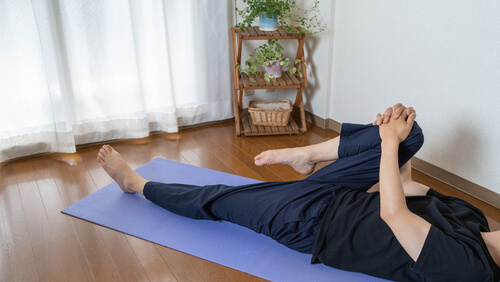
    • IT band stretch exercise — The IT band stretch involves your iliotibial band. This band is the thick tissue that extends from your pelvis to your tibia (the bone between your knee and ankle). As the target area includes the outer region of your hip, this exercise can help relieve hip swelling and pain.

    To do the IT band stretch exercise, lie down on the floor. Then bend your knees while keeping your feet on the floor. Place your right ankle on top of your left knee. Then move your left leg closer to your body by grabbing the back of your thigh and slowly pulling it toward your chest. Repeat these steps three to five times for each leg.

    To do the seated pigeon stretch exercise, sit near the edge of your chair. Make sure to keep your feet flat on the floor, in front of your knees, and spread out. Then place your right ankle over your left thigh. The degree of the stretch depends on how close your right ankle is to your left hip. Be sure to spread out your toes. You can either stay in this position or put your hands on your hips and gently bend forward.

    In addition to therapeutic exercises, your physical therapist may recommend joint mobilization. Joint mobilization represents one manual therapy technique. This technique involves your physical therapist using their hands to move your hip joint. This process can loosen the muscles in your hip, which can reduce your hip pain and make it easier for you to move your hip.

    If you’re unsure which treatment will work best to reduce your hip pain, don’t worry. Your physical therapist will work with you to design a treatment plan to fit your individual needs and goals. A typical PT session will include multiple therapeutic exercises.

    Trochanteric bursitis exercises to avoid

    Knowing which trochanteric bursitis exercises to avoid can help you prevent hip swelling and your pain from worsening. If hip swelling and pain worsens, you may have even more difficulty walking and doing other daily activities. Here are key trochanteric bursitis exercises to avoid:

    • Exercises involving tilted positions — If you’re exercising in a tilted position, then you may be either leaning your body to one side or hunching over. Poor posture weakens your gluteal muscles, which can lead to hip pain and swelling.
    • Exercises involving deep squats — Exercises involving deep squats place too much pressure on your hips, which can worsen the swelling and pain in your hip.
    • Exercises involving leg lifts — Like exercises involving deep squats, exercises involving leg lifts place excessive pressure on your hips. This pressure can lead to hip swelling and pain.

    Trochanteric bursitis causes

    Trochanteric bursitis refers to the inflammation or swelling of the hip bursae, which are sacs filled with fluid that function as cushions. This swelling can lead to hip stiffness and/or pain when you move your hip. This can make it difficult for you to do daily activities like walking. Typically, the fluid released by your bursae prevents the bones in your hip from rubbing against one another too much. Therefore, if your bursae swells, then the muscles and bones in your hip may receive less support.

    About 2 per 1,000 people have trochanteric bursitis pain each year. Here are three common causes of trochanteric bursitis:

    • Overuse of hip muscle — When you overuse your hip, your hip muscles can weaken, which can lead to hip swelling and pain. Overusing your hip muscle may involve repeatedly lifting heavy objects, standing for long periods, and climbing stairs. If you’re a runner or an athlete who frequently engages your hip muscles, you may be at risk for trochanteric bursitis. 
    • Hip injury — Injuries to your hip may include falling on your hip or bumping your hip against a hard surface. If you fall on your hip, then you may tear the tendons (i.e., supportive tissue) near your hip joint, which can produce swelling and pain in your hip.
    • Poor posture — If you repeatedly stay hunched over at your desk for long periods, you may develop poor posture. In other words, your body may naturally align in a curved position. One common condition associated with poor posture is scoliosis (i.e., having a curved spine). Poor posture places more pressure on your bursa, which can cause swelling in your hip.

    Depending on the cause of your trochanteric bursitis, you may experience different levels of swelling and pain. While designing a physical therapy treatment plan, your physical therapist can identify the cause to maximize the effectiveness of your treatment.

    Peak Performance can treat hip pain from trochanteric bursitis 

    If you have hip pain, know that relief is available to you. You’ve already taken a big step by actively researching trochanteric bursitis exercises. 

    At Peak Performance, we can help relieve your hip pain through competent, compassionate, and results-based care. Our licensed physical therapists can work with you to design a comprehensive treatment plan. The goal of this plan is to address both your current hip pain and ways to prevent hip injuries. For example, your physical therapist may recommend developing an active lifestyle and/or a healthy diet.
    Call us or request an appointment today to learn more about physical therapy exercises for trochanteric bursitis.

    [otw-bmp id=”1″] [otw-bmp id=”2″]

  • 5 PT techniques that can improve SI joint pain while pregnant

    5 PT techniques that can improve SI joint pain while pregnant

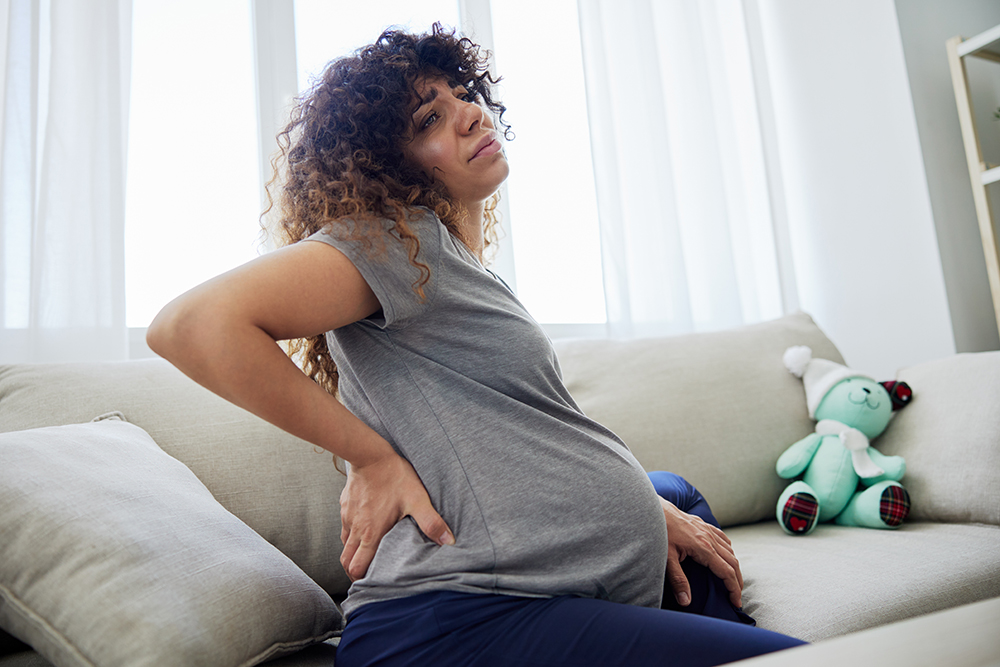
    During pregnancy, there are a lot of changes that happen in your body. All of these changes are to help accommodate your growing baby. A change in your hormones can affect your sacroiliac (SI) joint. This joint connects your sacrum, the triangular bone at the base of your spine, to the iliac bones, the large pelvic bones. This joint helps move the forces of your upper body and lower extremities to help keep you stable during various movements. It can be common to experience pain in your SI joint during pregnancy. It affects up to half of women at some point during their pregnancy. With so many women affected by this condition, it’s important to know what’s going on and how to deal with it effectively so this pain doesn’t put a damper on your quality of life. 


    Symptoms of SI joint pain during pregnancy


    So many things are happening in your body during pregnancy, and it can be hard to keep up with what pain is from what issue. SI joint pain can cause a variety of symptoms, including:


    • Lower back pain — Do you have a nagging pain in your lower back that may radiate through your buttocks and down into your thighs? This lower back pain can be a hallmark symptom of SI joint dysfunction during pregnancy. 


    • Buttock pain or tenderness — You may feel like you have a tender or sore spot on one side of your buttocks. 


    • Hip pain — You may find your hips stiff or painful when you do certain movements. It can happen when you go from lying down or sitting to a standing position. 


    • Shooting pain — You may experience a shooting pain down the back of your thigh or into your groin area.


    • Difficulty walking — Later in pregnancy, you may already have adopted the “waddle walk,” but SI joint dysfunction can make walking, climbing stairs or standing even more challenging. 


    • Challenging movements — SI joint pain can strike harder during certain movements like bending, twisting or lifting. Lifting can be a particular trigger, especially if you are lifting other children.


    Triggers of SI joint pain during pregnancy


    SI joint pain can be common during pregnancy, but what exactly triggers this condition? Issues causing your pain can include:


    • Baby weight — The weight you gain during pregnancy from the expanding uterus, growing baby and fluids of pregnancy can all add extra stress on your SI joint. 


    • Hormones — Pregnancy sends your hormones into overdrive. A necessary hormone called relaxin increases through pregnancy. It’s essential to help get your body ready for delivery, but relaxed ligaments can also become painful.


    • Posture — A baby bump throws your center of gravity off and can make your posture go wonky trying to find a comfortable position. Slipping into bad posture might give you some temporary relief, but it can wreak havoc on your SI joint and cause you more discomfort.


    • Prolonged periods of standing or sitting — Pregnancy causes things to shift to new places in your body. If you don’t make sure to take breaks when you’re going to be sitting or standing for long periods, it can cause SI joint pain. Muscle imbalances and added pressure can aggravate your SI joint. 


    How can you find pregnancy SI joint pain relief?


    Pregnancy causes all kinds of changes in your body and can also limit what you can do to find relief. Safe treatments for SI joint pain during pregnancy can include:


    • Physical therapy — There are many techniques your physical therapist can use to help your SI joint pain. They can design a personalized treatment plan that can help you strengthen muscles, improve flexibility and fix your posture. 


    • Pregnancy support belts — These supportive belts can help take some of the baby weight off your SI joint. A belt can give you a much-needed break and some relief from the discomfort. 


    • Birthing ball — A birthing ball, also known as an exercise or stability ball, can help relieve your pregnancy SI joint pain. Sitting on this ball and gently rocking back and forth or side to side can help provide gentle movement and support for your pelvis. This can help reduce pressure on your SI joint and provide you with pain relief. 


    • Heat and cold therapy — Heat and cold therapy can help alleviate pain and inflammation that can be associated with SI joint pain. Applying a heating pad to the affected can help increase blood flow to the area. This boosted circulation can help promote relaxation and reduce muscle tension. Applying a cold pack can help numb the area. This can help provide you with temporary pain relief and reduce swelling. You can alternate between the two to find the sweet spot of relief. 


    • Medication — Pregnancy can make it difficult to find medication that is safe to take. Make sure you discuss any medications, even over-the-counter pain relievers, with your health care provider before taking them. They can help direct you to pregnancy-safe pain relievers or topical creams that can help manage your SI joint pain.


    Physical therapy modalities for SI pain during therapy


    Physical therapy can be a safe and effective treatment to help alleviate SI joint pain. Modalities that are safe include:


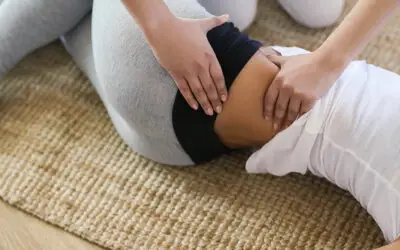
    • Manual therapy — Manual therapy is one of the go-to techniques physical therapists use for many conditions, including SI joint pain. Manual therapy techniques like soft tissue mobilization are used to help manipulate muscles, tendons and ligaments that surround the SI joint. Your physical therapist will apply gentle pressure and use stretching techniques to help alleviate tension, improve mobility and reduce inflammation to promote healing in your SI joint. 


    • Dry needling — Dry needling is a technique used by certified physical therapists to stimulate a healing response and release muscular knots. Your physical therapist will insert thin, sterile needles into trigger points and tight muscles around the SI joint. As these trigger points release, it can help alleviate pain and improve your range of motion. Discuss this technique carefully with your health care provider and physical therapist, as there can be disagreement about using dry needling during pregnancy. 


    • Therapeutic massage — Therapeutic massage can help reduce tension and promote relaxation in the muscles surrounding the SI joint. Therapeutic massage can help boost circulation, reduce inflammation and improve your overall comfort in your pregnancy. Your physical therapist will be sure to only use techniques that are safe for pregnancy.


    • Therapeutic exercises — Your physical therapist can create a customized exercise program intended to help strengthen the muscles that support your SI joint. These exercises will target your core, pelvic floor, hip and buttock muscles. These exercises can improve your stability and promote pain relief. Specific exercises that may be recommended can include pelvic tilts, cat-cow stretches, side-lying leg lifts and hip flexor stretches. 


    • Pelvic floor rehabilitation — Pelvic floor exercises, like Kegels, can play a vital role in helping to manage SI joint pain during your pregnancy. These exercises help strengthen your pelvic floor muscles to provide better support and stability for your SI joint. A physical therapist can help ensure that you are doing these exercises correctly to achieve optimal outcomes of reduced symptoms and improved functional capacity. 


    It’s important to do the initial exercises under the guidance of a physical therapist to ensure your safety and the effectiveness of the exercise. Your physical therapist may create a routine for you to also complete in between office visits. If any exercises cause you discomfort or make your symptoms worse, stop them immediately and consult with your physical therapist or other health care provider. 


    Will SI joint pain go away after delivery?


    Many with SI joint pain experience relief after delivery. However, the timeline for recovery can vary. It takes time for your body to adjust back post-delivery, and how long the SI pain sticks around can be influenced by how severe the pain was during pregnancy. To help the pain and your recovery, it’s important to take care of yourself. Listen to your body, rest when you need to rest and don’t be afraid to ask for help if you need it. 


    If your pain continues or worsens after delivery, it’s crucial to consult with a health care provider for further evaluation. You may need to continue physical therapy or explore other options depending on what is causing your SI joint pain to linger. 


    SSOR can help you manage your SI joint pain and enjoy a more comfortable journey to motherhood


    At SSOR, we understand that the discomfort pregnancy SI joint pain can bring can require a multifaceted approach to address symptoms and find relief. Our expert team of physical therapists offers invaluable support through our tailored treatments that are designed with pregnancy safety and comfort in mind. We strive to provide compassionate and personalized expertise and guidance to help expecting mothers navigate SI joint pain. Together, we can prioritize your well-being as you go through the transformative journey of pregnancy to motherhood. 


    Call us or request an appointment today to start your healing journey from pregnancy SI joint pain. 

  • Can physical therapy exercises improve bursitis in the hips?

    Can physical therapy exercises improve bursitis in the hips?

    When your hips are in pain, every movement can make you wince. There are many potential causes for hip pain, such as muscle stiffness or lying down on your side for an extended period of time. But there’s also a type of inflammation that can cause hip pain and limited mobility.

    Bursitis in the hips can cause chronic pain that interferes with your ability to carry out your daily responsibilities. The good news is that there are several physical therapy exercises that can help. A physical therapist will walk you through safe and effective exercises to help alleviate your symptoms.

    We’ll talk about what hip bursitis is and physical therapy exercises that can help. We’ll also discuss additional treatments that your physical therapist may recommend.

    The basics of hip bursitis

    There are fluid-filled sacs, called bursae, that cushion your joints from the surrounding bones, muscles and tendons. When they become inflamed, it’s called bursitis. It can occur in nearly any joint of the body, but it’s especially common in the hip as well as the shoulders and elbows. 

    There are two bursae located in the hip. One covers the point of the hip bone, known as the greater trochanter. The other is located on the inside of the hip near the groin, called the iliopsoas bursa. Hip bursitis can refer to inflammation of either one, though the area of the pain can be different. The pain from the greater trochanter is usually felt on the outside of the hip and along the thigh, down to the knee. Pain from the iliopsoas bursa occurs near the groin.

    The main symptom of any hip bursitis is pain that worsens during movement. Hip bursitis is often caused by overuse of the joint or repetitive movements for an extended period of time, such as walking, climbing stairs or running.

    Physical therapy exercises that can help hip bursitis

    There are many techniques that a physical therapist can use to help alleviate the pain from your hip bursitis as well as improve the overall quality of the area for increased mobility and function. One of the first courses of action will be walking you through safe and effective exercises. 

    Here are a few physical therapy exercises that you may be guided through during your hip bursitis treatment:

    • Clamshell — Lie on your unaffected hip and bend your stacked knees at a 45-degree angle. Lift the top knee while keeping your feet together. Hold for up to 10 seconds before returning to resting position. Repeat as directed by your physical therapist on each side. This exercise strengthens the glute muscles that help your hip joint function.
    • Glute bridge — Lie on your back with your feet flat on the floor so that your knees are bent. Lift your hips while keeping your lower back on the floor. Hold this position for up to 10 seconds before returning to the starting position. Repeat as directed by your physical therapist. This exercise strengthens your glute muscles as well as your lower back and core muscles.
    • Chair squat — Stand in front of a chair with your feet hip width apart. Bend your knees while bringing your hips down and back. Lower yourself until your thighs hit the chair but don’t sit. You can extend your arms in front of you for additional balance. Hold the position while squeezing your glutes before returning to the standing position. Repeat as directed by your physical therapist. This exercise strengthens the muscles in your hamstrings, glutes and quads.

    Physical therapy treatments that can help hip bursitis in addition to exercises

    While physical therapy exercises can go a long way in reducing your hip bursitis pain, there are additional techniques that may be included in your treatment plan. Your physical therapist will determine which treatments are right for you based on the severity of your symptoms, your medical history and your physical capabilities. 

    Two common physical therapy treatments used to help hip bursitis are electrical stimulation and joint mobilization. Electrical stimulation involves sending electrical currents to the hip area to reduce pain, stimulate blood circulation and increase mobility. Joint mobilization is a type of manual therapy technique that involves the therapist using their hands to gently move around the joint and stretch the muscles to loosen up the restrictive tissue that’s causing pain.

    Armor Physical Therapy can show you physical therapy exercises for hip bursitis

    Not being able to comfortably move your hips can interfere with everyday activities, such as going up the stairs or taking your dog for a walk. At Armor PT, we can show you physical therapy exercises to reduce hip bursitis pain and help improve your mobility.

    Call us or request an appointment today to learn physical therapy exercises for hip bursitis. 

  • Is thigh pain after hip replacement normal?

    Is thigh pain after hip replacement normal?

    If you’re experiencing consistent or worsening hip pain that isn’t improving with medication or walking aids, then it’s possible that you’ll need a hip replacement. But even though the hip replacement can make a world of difference, it doesn’t mean that you won’t still experience pain for a bit afterward.

    As you’re getting used to your new and improved joint, it’s expected that you’ll feel some pain in your hip following the surgery. But it’s also important to note other areas that you could be experiencing pain, such as in your thigh. It’s normal to experience thigh pain after your hip replacement, and we’ll discuss why. 

    Read on to learn the basics about a hip replacement and why it’s normal to experience thigh pain after a hip replacement. Then we’ll discuss how physical therapy can help alleviate the ache. 

    The basics about a hip replacement surgery

    Hip arthroplasty, commonly referred to as a hip replacement, is a surgical procedure. It involves replacing worn-out or damaged hip cartilage and bone. They are replaced with artificial parts that are made out of metal, plastic or ceramic materials.

    Hip replacement surgeries are used to help people who have consistent hip pain and reduced mobility that is interfering with their quality of life. The procedure is often used as a solution to help people who have damaged their hip due to trauma or have arthritis pain that isn’t responding to other treatments, such as medication. 

    More than 300,000 hip replacement surgeries are performed every year in the United States. Even though the average patient who undergoes the procedure is over the age of 60, it’s not uncommon for younger people to explore the option as well. It’s likely due to the high activity levels in their day-to-day lifestyle that they want to maintain.

    The most common type is a total hip replacement surgery, which is when both the ball and joint are removed. There’s also the option of a partial hip replacement, which involves only removing and replacing the femoral head, or the ball.

    How a hip replacement can cause thigh pain

    After a hip replacement, it takes time to work through the symptoms and feel comfortable using your new hip joint. It takes approximately three months to fully recover from a total hip replacement, though it can vary for each person. 

    Pain, stiffness and reduced range of motion are the most common symptoms to experience after having a hip replacement, especially in the first couple of weeks following the procedure. The pain is often intensified after either too much activity or an extended period of resting. But it’s common for the pain to radiate throughout the lower extremities, including the groin, buttocks and knee. It’s also possible to feel pain in your thigh.

    Feeling thigh pain following a hip replacement, known as thigh femoral stem pain, is normal as your body adjusts to the new parts. It can be caused by a variety of factors, including:

    • The stiff stem pressing into the bone, which is more flexible.
    • Having a loose implant that the bone can’t grow into, causing movement.
    • Impingement of the nerve if it was stretched or damaged during the procedure.

    How physical therapy can reduce thigh pain after a hip replacement

    Physical therapy can play a huge role in your hip replacement recovery. With a proper treatment plan starting almost immediately following the surgery, your physical therapist can help you move around properly with your new joint while increasing the area’s flexibility, strength and function.

    One of the most vital aspects of physical therapy for a hip replacement recovery is pain management. By targeting the tissue surrounding the new joint with techniques like manual therapy, your physical therapist can help alleviate the source of the pain radiating down to your thigh.

    Manual therapy will likely include soft tissue mobilization, which involves the therapist using their hands to manipulate the tissue as a way to release the tension as well as reduce the pressure on your nerves that may be causing your thigh pain. 

    Continuum Wellness can help treat thigh pain after hip replacement surgery

    Even though it’s normal to feel thigh pain after you’ve undergone hip replacement surgery, that doesn’t mean you have to just grin and bear it. Throughout the rehabilitation during your recovery, your physical therapist can help alleviate the pain in the entire affected area, including your thigh. 

    At Continuum Wellness, our physical therapists will help you every step of the way through your post-surgical rehabilitation, including reducing your thigh pain.

    Call us or request an appointment today to alleviate thigh pain after a hip replacement.
When Was Your Appointment?

We recently changed bill pay providers. Please click the button for the date of your appointment to be directed to the correct online payment portal.