Please ensure Javascript is enabled for purposes of website accessibility

Category: Hip Pain

  • Why Do I Have Pain in My Hip When Walking?

    Why Do I Have Pain in My Hip When Walking?

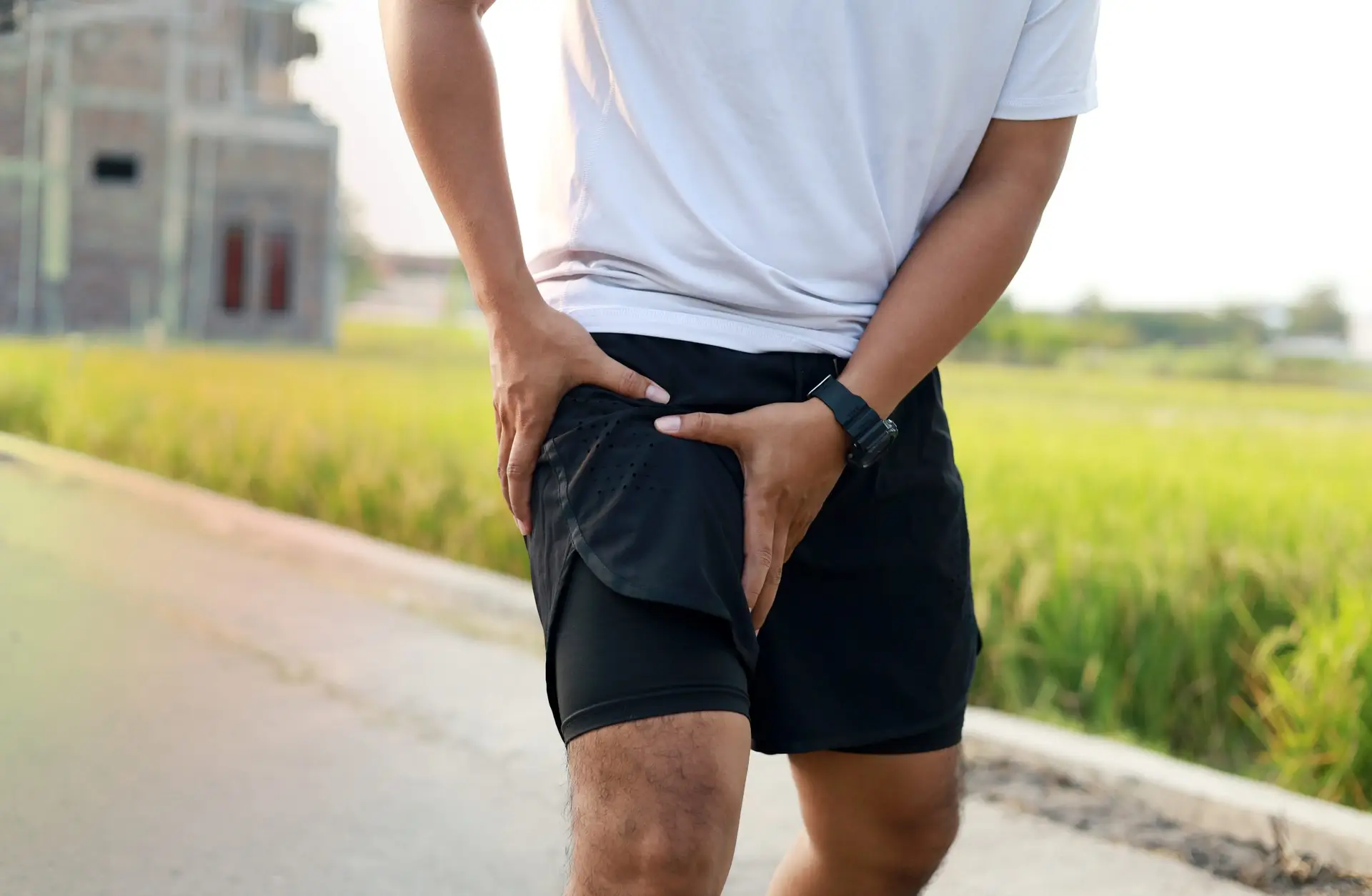
    Hip pain is a surprisingly common issue that affects people of all ages. It is a common misconception that you only need to worry about your hips if you’re older or already dealing with mobility issues. The truth is, whether you’re a young athlete, a busy parent, or simply enjoying your life in retirement, hip discomfort can disrupt your daily routine.

    The hip is a complex joint involved in almost every movement you make, which means pain can arise for a wide variety of reasons. Each of these underlying causes can have a different treatment method, which is why we always recommend getting a professional evaluation before starting to self-treat.

    What causes pain when walking in the hip?

    Your hip joints carry the weight of your body while allowing for a wide range of motion. When you’re walking, a complex network of bones, cartilage, muscles, ligaments, and tendons works together to keep you moving forward. If any part of this system becomes irritated, inflamed, or damaged, it can result in noticeable pain.

    Here are a few conditions that might cause hip pain when walking a short or long distance:

    • Muscle strains: Pushing your body a little too hard during a walk, run, or workout can stretch or tear the muscles that support your hip.
    • Bursitis: Sometimes the fluid-filled sacs that cushion your hip joint become inflamed, a condition known as bursitis. This often leads to a dull, aching pain that worsens when you walk or press on the area.
    • Wear and tear: Over time and for a variety of reasons, the protective cartilage that cushions the ends of your bones can wear down. In some cases, this is related to osteoarthritis, and in others the pain is idiopathic, or arising with no clear cause (common in young people who experience arthritis symptoms).
    • Tendon irritation: The thick bands of tissue that attach your muscles to your bones can become inflamed from overuse, leading to a sharp pain during movement.

    Some people are at greater risk for developing hip pain during their seemingly normal routine for a few reasons, including:

    • Poor posture: Slouching or walking with an unnatural gait can put uneven stress on your hip joints.
    • Unsupportive footwear: Wearing shoes that lack proper arch support or cushioning can change the way you walk, sending shockwaves of stress up your legs and directly into your hips.
    • Uneven terrain: Frequently walking on uneven surfaces, like hiking trails or slanted sidewalks, forces your hip muscles to work harder to keep you balanced, which can lead to fatigue and pain.

    How to help hip pain at home

    If your hip pain is mild to moderate and you don’t have an underlying condition that requires special medical care (like sciatica), there are several steps you can take at home to help ease your discomfort.

    A great place to start is the RICE method. This simple approach is highly effective for reducing inflammation and relieving early stages of many types of musculoskeletal pain:

    • Rest: Give your hurting hip a break. Avoid activities that make the pain worse, like taking long walks or climbing stairs.
    • Ice: Apply an ice pack to the affected area for 15 to 20 minutes a few times a day to numb pain and reduce swelling.
    • Compression: Wearing a compression bandage around your hip and thigh can provide extra support when moving around and can also help keep swelling down.
    • Elevation: Whenever possible, prop your affected leg up to help reduce fluid buildup in the joint.

    In addition to the RICE method, gentle stretching and regular exercise can build up the strength of your legs and hips, providing better support for the joint. Simple movements like bringing your knee to your chest or gently rotating your leg can keep the hip flexible.

    However, stretches and exercises might actually make your issue worse. Pushing through the pain or attempting advanced stretches without guidance can lead to further irritation or injury. It’s incredibly important to know for certain what’s causing your pain before trying to self-treat. If your home remedies aren’t helping after a few days, it might be time to seek professional advice.

    How physical therapists help you heal a hurting hip

    When home treatments aren’t quite enough, a physical therapist can provide the expert care you need. Physical therapy offers a safe, non-invasive way to treat hip pain by that addresses its root cause.

    Depending on what’s causing your pain, your physical therapist might use a combination of the following techniques:

    • Hands-on care: Also known as manual therapy, this involves the therapist using their hands to gently massage and manipulate your muscles and joints. These techniques can help to improve circulation, reduce stiffness, and ease muscle tension around the hip.
    • Customized exercise programs: The hallmark of many physical therapy treatment plans, your therapist will design a specific set of exercises tailored to your unique needs. These exercises are meant to strengthen the weak muscles supporting your hip, improve your flexibility, and restore your full range of motion.
    • Posture and gait training: Sometimes, the way you walk or stand can affect when and how severely you experience hip pain. A physical therapist can analyze your movements and teach you how to correct your posture and gait, ensuring your body weight is distributed evenly and taking unnecessary pressure off your hip joints.
    • Pain management techniques: Not everyone is able to manage pain with over-the-counter pain medication, so we’ll help you use heat or cold therapies to effectively soothe your specific pain, especially when it interferes with being able to perform other aspects of physical therapy treatment.

    Find hip pain relief at Riverbend Physical Therapy

    Living with hip pain can make even the simplest tasks feel like a monumental challenge, but you don’t have to navigate it alone. Healing is possible, and the right guidance makes all the difference.

    If you’re tired of sitting on the sidelines and want to get back to walking, working, and living comfortably, we are here to help. Call one of our New Orleans clinics or request your first appointment online today.

  • What Causes Pain Deep Inside the Hip?

    What Causes Pain Deep Inside the Hip?

    Hip pain affects millions of Americans every year, with studies showing that up to 15% of adults over 60 experience significant hip discomfort. While some hip pain occurs on the outer surface or side of the joint, pain deep inside the hip is harder to “get to” with the typical at-home treatments like ice packs or massaging the joint.

    Deep hip pain can dramatically impact your daily activities, from walking up stairs to getting out of bed in the morning. Even so, many of us wait and see whether it improves on its own, rather than making an appointment to find help.

    The good news is that pain coming from deep in the hip is often a helpful symptom in getting an accurate diagnosis from a physical therapist quickly, meaning you can start to find relief nearly right away.

    Causes of deep hip pain

    Medical professionals may refer to sensations of deep hip pain as “anterior” hip pain, which describes discomfort felt in the front and interior portions of the hip joint. This type of pain can stem from several different conditions, each requiring specific treatment approaches.

    Osteoarthritis

    Osteoarthritis represents the most common cause of pain deep inside the hip, particularly among adults over 50. This degenerative joint disease affects multiple tissues within joints, including the protective cartilage that cushions the hip joint. As joint structures experience this wearing down, bones often begin to rub against each other during movement.

    The pain from hip osteoarthritis typically develops gradually and worsens with activity. Many people describe hip arthritis as a deep, aching sensation that may radiate into the groin or thigh. Morning stiffness lasting more than 30 minutes is another hallmark symptom, along with decreased range of motion over time.

    Hip fracture

    Hip fractures create intense pain inside the hip that usually develops suddenly following a fall or trauma. While more common in older adults with osteoporosis, hip fractures can occur at any age during high-impact activities or accidents.

    The pain from a hip fracture is typically severe and constant, making it nearly impossible to bear weight on the affected leg. Unlike other causes of deep hip pain that may come and go, fracture pain persists and often requires immediate medical attention.

    Stress fracture of the femur

    Stress fractures develop when repetitive force or overuse creates tiny cracks in the femur bone. Athletes, military personnel, and individuals who suddenly increase their activity level are generally at higher risk for this condition.

    Pain inside the hip from a stress fracture often starts as a dull ache that worsens with activity and improves with rest. Unlike acute fractures, stress fractures may allow limited weight-bearing initially, but the pain progressively intensifies if the underlying cause or stressor isn’t addressed.

    Iliopsoas bursitis

    The iliopsoas bursa, a small fluid-filled sac located near the hip joint, can become inflamed and cause significant pain deep inside the hip. This condition, known as iliopsoas bursitis, often develops from repetitive hip flexion movements or prolonged sitting.

    People with iliopsoas bursitis frequently experience pain when lifting their knee toward their chest or when transitioning from sitting to standing. The discomfort may also worsen during activities like climbing stairs or getting out of a car.

    Labral Tear

    The hip labrum is a ring of cartilage that surrounds the hip socket, providing stability and cushioning to the joint. When this structure tears, it can cause sharp, catching pain deep within the hip that may develop suddenly or gradually over time.

    Labral tears often produce a distinctive “catching” or “clicking” sensation during movement, particularly when rotating the hip or changing positions. The pain may be accompanied by stiffness and a feeling that the hip might “give out” during certain activities.

    Referred pain from abdomen or pelvis

    Sometimes, pain inside the hip doesn’t actually originate from the hip joint itself. Conditions affecting the abdomen, pelvis, or reproductive organs can create referred pain that feels like it’s coming from deep within the hip.

    This type of pain often coincides with other symptoms such as changes in urinary habits, bowel function, or menstrual patterns. Kidney stones, hernias, and certain gynecological conditions can all produce hip pain as a secondary symptom.

    Additional symptoms to watch for

    Many causes of pain deep inside the hip produce additional symptoms beyond the primary discomfort. Limping represents one of the most common secondary symptoms, as people naturally alter their gait to protect the painful joint.

    Other symptoms may include muscle weakness in the hip or leg, reduced flexibility, swelling around the joint, and difficulty with specific movements like putting on shoes or getting in and out of vehicles. Recognizing these accompanying symptoms can help healthcare providers narrow down the potential causes more quickly.

    How to treat pain inside the hip

    Addressing pain deep inside the hip requires identifying and treating the underlying cause rather than simply masking the symptoms. While some conditions may heal with conservative approaches, others need more intensive interventions to restore function and comfort.

    Because of the many differences between people and the number of possible treatments for hip pain, it’s almost always recommended to see a professional when the pain lingers for longer than a few weeks. It’s also particularly important for older adults who may be at risk of losing mobility they’ve previously enjoyed.

    A thorough assessment can distinguish between conditions that may appear similar but require completely different treatment approaches.

    Physical therapy techniques for deep hip pain

    Physical therapy offers numerous evidence-based techniques for diagnosing and addressing pain deep inside the hip. The specific combination of treatments depends on the underlying cause, but often include some combination of the following:

    • Manual therapy techniques help restore normal joint mechanics and reduce pain through hands-on treatment.
    • Therapeutic exercises focus on strengthening weak muscles around the hip while improving flexibility and range of motion. Core stabilization exercises often play a crucial role, as weakness in the deep abdominal and back muscles can contribute to hip dysfunction.
    • Movement re-education teaches proper body mechanics during daily activities to prevent further irritation of the hip joint. This might include practicing safer ways to bend, lift, and transition between sitting, standing, and laying down.
    • Gait training helps individuals with limping or altered walking patterns return to normal movement. This is particularly important for preventing secondary problems in the knee, back, or opposite hip that can develop when someone favors one side.

    Comprehensive Care for Your Hip Pain in Franklin, WI

    Deep hip pain doesn’t have to control your life or limit your activities. At Franklin Rehabilitation, our experienced team understands that hip problems are complex and often persistent, and we’ll always work to make your treatment appropriate for your needs and health.

    Learn more about how we’ll take care of you or your loved one’s mobility challenges by calling our clinic or requesting your first appointment online.

  • What Causes Hip Pain When Bending Over?

    What Causes Hip Pain When Bending Over?

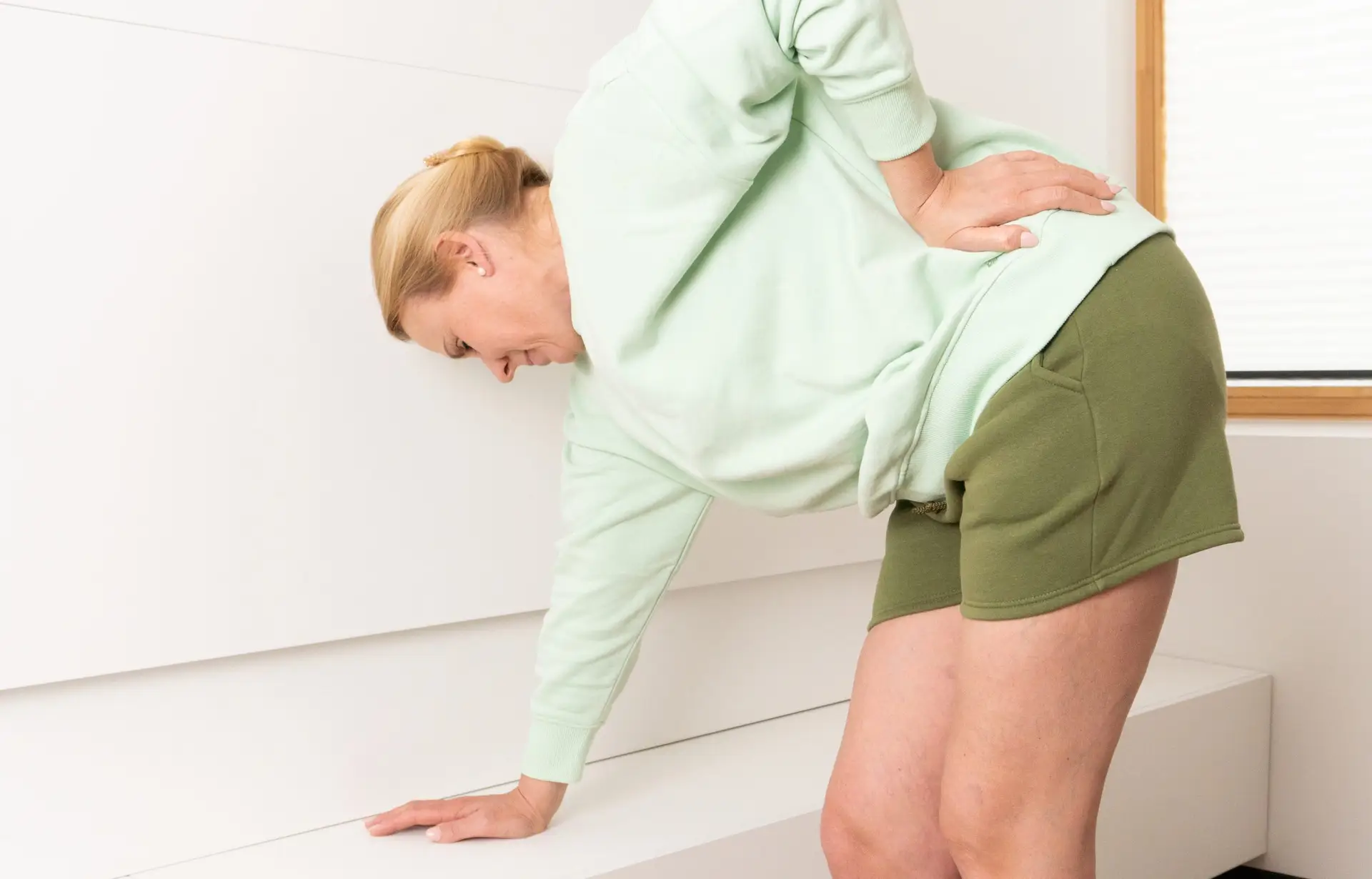
    Hip pain doesn’t discriminate by age. While many people assume joint discomfort is simply part of getting older, sharp pain in hip when bending over can affect anyone—from athletes to office workers; teenagers to seniors. And rather than being the same cause every time, no two people’s hip pain are exactly the same. Understanding the root causes of this specific type of discomfort can help you take the right steps toward relief.

    Hip pain when bending over often signals that something isn’t working well within your hip joint, surrounding muscles, or nearby parts of the body. Unlike general hip stiffness that might persist throughout the day, pain that strikes specifically when you bend forward points to particular mechanical issues that can often be addressed with physical therapy, if not at-home care.

    Why does my hip hurt when bending over?

    If you only experience sharp pain in hip when bending over, that may help narrow down the possible underlying issues that could be at play. Each cause has its own characteristics and triggers, making it important to identify what’s happening in your specific situation.

    Hip flexor strain

    Your hip flexors are a group of muscles that help lift your thigh toward your abdomen. When these muscles become strained or tight, bending at the hip can trigger significant discomfort. This is particularly common among athletes, runners, and people who spend long hours sitting, as these positions can shorten and tighten the hip flexor muscles over time.

    Hip flexor strains often develop gradually, though they can also result from sudden movements or overuse. You might notice the pain is most pronounced when you first bend forward, especially after periods of inactivity.

    Hip impingement

    Hip impingement occurs when the ball and socket of your hip joint don’t fit together smoothly. When flexing at the hip, the bones may pinch soft tissues, causing sharp pain. This condition, also called femoroacetabular impingement, can be structural or develop due to repetitive movements.

    People with hip impingement often experience pain that feels like it’s coming from deep within the joint, particularly when bending forward or bringing the knee toward the chest.

    Labral tears

    The labrum is a ring of cartilage that surrounds the hip socket, helping to stabilize the joint. When this cartilage is torn or damaged, it can cause pain during certain movements in the groin and hip. Labral tears can result from injury, repetitive motion, or structural abnormalities in the hip joint.

    The pain from a labral tear is often described as sharp or catching, and you might notice clicking or locking sensations in the hip during movement.

    Hip bursitis

    Bursitis involves inflammation of the small, fluid-filled sacs (bursae) that cushion your hip joint. When these bursae become inflamed, bending movements can compress the irritated tissue, causing pain. Hip bursitis often develops from repetitive activities, prolonged pressure on the hip, or following an injury.

    This type of pain typically feels like a deep ache that may worsen with prolonged sitting or lying on the affected side, in addition to hurting when you bend forward.

    Tight piriformis muscle

    The piriformis muscle, located deep in your buttock region, helps rotate your hip. When this muscle becomes tight or inflamed, it can cause pain that radiates through the hip area and may worsen with hip flexion. This condition sometimes mimics sciatica, as the piriformis muscle lies close to the sciatic nerve.

    Lower back issues

    Sometimes, what feels like hip pain when bending over actually originates from your lower back. Herniated discs, compressed nerves, or tight lower back muscles can refer pain to the hip area. This is because the nerves that serve your hip region originate from your lumbar spine.

    How to help hip pain

    Addressing hip pain when bending over often starts with simple, at-home strategies that sometimes provide enough relief to allow you to return to normal activities. The key is matching your approach to the underlying cause of your pain.

    Rest and activity modification

    If your hip pain results from overuse or strain, giving the area time to heal is crucial. This doesn’t mean complete inactivity, but rather avoiding movements that trigger sharp pain in hip when bending over.

    Some people find it helpful to change the little things in their routine to avoid straining the problem area—use a grabber tool to pick up items on the floor, sit down to put on shoes, or ask for help with tasks that require deep bending.

    Ice and heat therapy

    Ice can help reduce inflammation and numb acute pain, particularly if your symptoms developed recently or get worse after activity. Apply ice for 15-20 minutes several times daily during the first few days of pain.

    On the other hand, heat therapy works well for muscle tightness and chronic conditions. A warm bath, heating pad, or warm compress can help relax tight hip flexors or other muscles contributing to your discomfort.

    Gentle stretching

    Once the acute pain in the hip subsides, gentle stretching can help restore mobility and reduce muscle tension. Hip flexor stretches, piriformis stretches, and gentle hip circles can be particularly beneficial.

    However, be careful and slow when stretching to avoid causing sharp pain—work within your comfortable range of motion.

    Anti-inflammatory medications

    Over-the-counter anti-inflammatory medications like ibuprofen or naproxen can help reduce inflammation and pain. Follow package directions and consult with a healthcare provider if you need to use these medications for extended periods.

    Posture awareness

    Poor posture, especially prolonged sitting, can contribute to hip pain when bending over. Focus on maintaining good posture throughout the day, take regular breaks from sitting, and consider ergonomic adjustments to your workspace.

    Gradual return to activity

    As your pain improves, gradually return to normal activities. Start with gentle movements and slowly increase intensity. This progressive approach helps prevent re-injury while rebuilding strength and mobility.

    Physical therapy for hip pain

    While some people can have effective and lasting results from at-home care, it’s not successful for everyone, especially if it’s hard to tell just by doing internet research what the problem actually is.

    Working with a physical therapist offers targeted, professional care that addresses the root causes of your hip pain when bending over. Physical therapists bring specialized knowledge about hip mechanics and can develop personalized treatment plans.

    Hip pain is a staple of our physical therapy services, and while everyone is unique and will get their own personalized treatment plan, here’s what you can expect from physical therapy for hip pain when bending over:

    • Comprehensive evaluation (No doctor’s referral needed)
    • Manual therapy treatments
    • Movement/biomechanical assessment and recommendations
    • Sport-specific or activity-specific training or advice
    • Targeted exercise therapy for future injury prevention

    Take the next step toward pain-free movement

    Hip pain when bending over doesn’t have to become your new normal or keep you from the things you love. Whether you’re dealing with sharp, sudden pain or a persistent ache that’s been getting worse, our Physical Therapists can help make a significant difference in your recovery and long-term hip health.

    At Alves and Martinez Physical Therapy, our experienced therapists will work with you to get real answers for your discomfort and develop a personalized treatment plan that fits your goals and lifestyle.

    Getting started is as easy as starting a conversation with our team by calling one of our clinics or requesting an appointment online today.

  • Can Fibromyalgia Cause Hip Pain?

    Can Fibromyalgia Cause Hip Pain?

    In addition to being a disorder that causes debilitating fatigue, fibromyalgia can also cause pain or sensitivity that settles in specific areas of the body. From tender points along the spine to aching in the shoulders, neck, and limbs, fibromyalgia can cause both ever-present background symptoms and acute pain.

    The hips, being central to your body’s movement and stability, are particularly vulnerable to fibromyalgia-related pain. This pain can range from a dull, persistent ache to sharp, shooting sensations that make walking, sitting, or sleeping extremely difficult.

    As exhausting and frustrating as this pain can be, understanding the connection between fibromyalgia and hip pain is crucial for developing an effective treatment strategy. When you know what’s causing your discomfort, you can take targeted steps to find relief and improve your quality of life.

    What causes hip pain with fibromyalgia?

    Fibromyalgia affects how your nervous system processes pain signals, essentially amplifying sensations that might otherwise be minor or unnoticeable. This heightened sensitivity can make your hips feel painful even without any structural damage or inflammation. The tender points commonly associated with fibromyalgia include areas around the hip region, particularly near the greater trochanter (the bony prominence on the outer side of your thigh).

    However, hip pain fibromyalgia patients experience isn’t always solely due to fibromyalgia itself. People with fibromyalgia are also more likely to develop other conditions that can affect the hips, such as rheumatoid arthritis, bursitis, or hip flexor strain. These concurrent conditions can work together with fibromyalgia to create a more complex pain experience.

    Even when these concurrent conditions don’t affect you, the muscles surrounding your hips—including the hip flexors, glutes, and rotators—can become chronically tight and tender partially as a result of fibromyalgia. This muscle tension can pull on the hip joint and surrounding structures, creating additional pain and stiffness.

    Finally, sleep disturbances, another common fibromyalgia symptom, can worsen hip pain by preventing proper muscle recovery and increasing overall pain sensitivity.

    How to treat hip pain with fibromyalgia

    The general problem people face with fibromyalgia is that it makes everything harder, from determining the exact source of pain to staying motivated to find treatments that provide lasting relief. And as any sufferer knows, what works one day for your symptoms may not work the next.

    So while there are things you can try on your own, based on your comfort level and current symptoms, many fibromyalgia patients find that a personalized treatment plan developed with a healthcare professional is more accessible than attempting to navigate this ever-changing condition alone.

    At-home hip exercises for fibromyalgia pain

    Gentle exercise can be one of the most effective tools for managing fibromyalgia-related pain, including in the hips. However, whenever trying something for the first time, it’s important to start slowly and listen to your body.

    These are a few ideas for exercises that require no special equipment and can be performed in the comfort of your home:

    • Hip circles: Stand with your feet hip-width apart and place your hands on your hips. Slowly circle your hips in one direction for 10 rotations, then reverse direction.
    • Seated hip flexor stretch: Sit on the edge of a chair and extend one leg behind you, keeping your heel on the ground. Gently lean forward to feel a stretch in the front of your hip. Repeat on the other side.
    • Supine hip bridge: Lie on your back with your knees bent and feet flat on the floor. Slowly lift your hips up, creating a straight line from your knees to your shoulders. Hold for a few seconds before lowering back down.
    • Side-lying leg lifts: Lie on your side and slowly lift your top leg a few inches, then lower it back down. Roll to the other side and repeat.
    • Knee-to-chest stretch: Lie on your back and gently pull one knee toward your chest, holding it with both hands.

    As always, heat and ice can also be helpful for people with inflammation or muscle tension in their hips. Use ice packs wrapped in a towel for pain caused by inflammation and heat from a warm bath or microwavable pack for muscle tension in the hips or lower back.

    Physical therapy for fibromyalgia

    Whether you have a diagnosis from a doctor or not, our Physical Therapists understand fibromyalgia and take a holistic approach when helping you find ways to minimize pain and improve function. Every treatment process for this intensely personal disorder begins with a personalized evaluation.

    During an evaluation, we’ll be able to assess not just your hip pain, but also how fibromyalgia affects your overall movement patterns, posture, and daily activities. We can identify specific muscle imbalances or movement dysfunction that might be contributing to your hip pain and develop a treatment plan tailored to your unique needs and limitations.

    Physical therapy for fibromyalgia will be unique to each person, but often includes:

    • Gentle manual therapy techniques
    • Customized exercise programs
    • Education about pain management strategies
    • Joint mobilization
    • Symptom management adapted to your current needs

    Education is a key component of fibromyalgia physical therapy. Your therapist may teach you about pacing strategies, helping you understand how to balance activity and rest to prevent symptom flares. They can also provide guidance on proper body mechanics and ergonomics to reduce stress on your hips during your specific daily activities.

    Many physical therapists also teach about the neuroscience of fibromyalgia, helping you understand how the disorder affects your nervous system and pain processing. This knowledge can be empowering and may help reduce the fear and anxiety that often accompany chronic pain conditions like fibromyalgia.

    See how physical therapy might help you live better

    As you’re probably well aware, there’s no cure-all for a condition like fibromyalgia, but there is meaningful progress to be made no matter where you’re starting from. At SSOR in Kansas City, our physical therapists understand the complexities of fibromyalgia and how it affects each person differently. We take time to listen to your concerns, assess your specific symptoms, and develop a treatment plan that respects your current abilities while working toward your goals.

    Meet our team and learn exactly what you can expect from physical therapy for fibromyalgia by calling a clinic near you or by requesting your first appointment online today.

  • How Long Does a Hip Flexor Strain Take to Heal?

    How Long Does a Hip Flexor Strain Take to Heal?

    Hip pain can be frustrating, especially when it limits your daily activities or athletic performance. If you’ve found yourself searching for information about hip flexor strains, you’ve likely already experienced that telltale sharp pain or pulling sensation in the front of your hip. The good news is that you’re on the right track in identifying your symptoms and seeking the right information to recover effectively.

    Hip flexor strains are among the most common hip injuries, affecting everyone from weekend warriors to professional athletes. Understanding how long does a hip flexor strain take to heal—and what you can do to speed up recovery—can help you get back to your normal routine with confidence.

    Causes of hip flexor strains

    Hip flexor strains don’t discriminate—they can happen to anyone, regardless of fitness level, age, or type of activity that caused the injury.

    Athletes and active individuals

    Athletes commonly experience hip flexor strains during activities that require sudden acceleration, high kicks, or rapid changes in direction. Soccer players might strain their hip flexors during a powerful kick, while runners often develop strains from increasing their training intensity too quickly. Sprinters are particularly susceptible due to the explosive hip flexion required at the start of a race.

    Hip flexor tightness

    Sitting for long periods can tighten the hip flexors, making them more vulnerable to injury when you suddenly engage in physical activity. This can also occur if you move too quickly after waking up or starting to exercise without warming up properly.

    Trips or falls

    Even if you don’t fall and impact your hip, suddenly catching your body weight with the use of your legs can strain hip flexor muscles to the point of damaging or hyperextending them.

    Previous hip injuries/surgery

    As you age and experience changes to your hip strength through injuries or surgery (or both), the joint may not fully heal and bounce back to its former strength. This can increase the chance of hip flexor strains and other hip-related conditions occurring.

    How long does it take to heal a hip flexor strain?

    The healing time for a hip flexor strain depends largely on the severity of the injury. Medical professionals classify muscle strains into three grades, each with different recovery timelines.

    Mild hip flexor strains

    Grade 1 strains are the mildest form of injury, involving minor tearing of muscle fibers. You might experience mild pain and stiffness, but your range of motion remains largely intact. These strains typically heal within 1-2 weeks with proper care and rest.

    Moderate hip flexor strains

    Grade 2 strains involve more significant muscle fiber damage and are considered moderate injuries. You’ll likely experience noticeable pain, swelling, and some loss of strength and flexibility. Recovery time for grade 2 strains usually ranges from 3-6 weeks, depending on how well you follow treatment recommendations.

    Severe strains

    Grade 3 strains represent complete muscle tears and are the most severe form of hip flexor injury. These injuries cause significant pain, swelling, bruising, and substantial loss of function. Recovery can take 6-12 weeks or longer, and may require surgical intervention in some cases.

    Several factors can influence your healing timeline in addition to the severity of the strain. Your age, overall fitness level, previous injury history, and adherence to prescribed treatment protocols all play important roles. Additionally, continuing to aggravate the injury by attempting to return to activity before you’re fully healed can significantly extend recovery time.

    How to help a pulled hip flexor

    As with any muscle strain, there’s no magic cure that will instantly allow you to return to full activity and mobility. The body needs time to heal, and although there may not be ways to accelerate this process, there are things you can do to minimize the side affects of the injury while it heals.

    At-home care

    • Rest and activity reduction are crucial in the first few days after injury. For minor strains, you can usually continue with daily tasks that don’t cause discomfort.
    • Ice therapy can help reduce pain and inflammation, especially in the first 48-72 hours after injury. When using an ice pack, make sure to place a thin cloth between the ice and your skin to prevent frostbite.
    • Gentle stretching can begin once the acute pain subsides, depending on the instructions your Physical Therapist gives you. Simple stretches like the standing hip flexor stretch or lying hip flexor stretch can help maintain flexibility and prevent stiffness. Hold stretches for 20-30 seconds and avoid pushing through pain.
    • Over-the-counter pain medications such as ibuprofen or acetaminophen can help manage pain and reduce inflammation. Ask your primary care doctor about using these medications if you also take other prescriptions.
    • Heat therapy may be beneficial for tension you might have after the initial inflammation from the injury dies down (usually after 3-4 days). Applying heat for 15-20 minutes can help relax tight muscles and improve blood flow to promote healing.

    Physical therapy

    Knowing when to seek professional help is essential for getting the best chance at complete recovery and preventing re-injury. Physical therapy is the first recommended step in treating muscle strains and pain because it’s non-invasive and customizable for many different types of patients.

    Physical therapy becomes necessary when you’re unable to perform normal daily activities, when pain interferes with sleep, or when the injury isn’t improving with basic at-home care. Additionally, if you’re an athlete looking to return to sport safely, professional, sport-specific guidance is invaluable to getting your performance back as quickly as possible.

    Treatment may include manual therapy techniques to improve tissue mobility, specific strengthening exercises for the hip flexors and surrounding muscles, and functional training to prepare you for return to your desired activities. Physical therapists also provide education on injury prevention and proper warm-up techniques to reduce the risk of future strains.

    Professional advice and sport-specific recovery at Border Therapy Services

    Don’t let a hip flexor strain keep you sidelined longer than necessary. Our team is ready to assess and treat the hip injury that’s affecting your lifestyle, often with appointments available as soon as the next day. Get the conversation started by calling a clinic near you or by requesting your first appointment online today.

  • What Does Hip Pain From Arthritis Feel Like?

    What Does Hip Pain From Arthritis Feel Like?

    Although it may be hard to appreciate in the moment, your body has a sophisticated way of communicating with you through pain. Each ache, throb, or sharp sensation serves as a unique signal, helping you understand what might be happening beneath the surface.

    Hip pain is no exception—the specific sensations you experience can reveal important clues about the underlying condition affecting your joint. The way your hip hurts can indicate not only that arthritis is present, but also which type you’re dealing with and how severe it has become.

    And if you’re afraid the pain in your hip is something you’ll have to live with from now on, we’re here to help you with knowledge and treatment options that allow you to keep living as normally as possible.

    Symptoms of arthritis hip pain

    A lot of things can cause your hip to hurt, but arthritis has a few distinct pain signals that set it apart from injuries or bone fractures.

    First of all, arthritis pain typically develops gradually rather than appearing suddenly after an incident. Additional characteristics of hip arthritis can vary from person to person, but often include:

    • Deep aching sensation
    • Persistent hip pain
    • Pain that worsens with movement
    • Stiffness
    • Burning sensations
    • Pain that worsens with weight-bearing activities
    • Pain that seems to be sensitive to weather changes
    • Clicking or grinding noises from the joint

    Differences between osteoarthritis and rheumatoid arthritis

    There is more than one type of arthritis that can cause hip pain. Knowing the difference between them can help you self-diagnose some of the commonly avoidable issues with one or the other.

    Osteoarthritis, the more common form of arthritis, results from wear and tear on the hip joint over time. This creates pain that typically follows a predictable pattern: worse with activity and better with rest. The discomfort usually develops slowly over months or years, often affecting one hip more than the other.

    Rheumatoid arthritis is an autoimmune condition that causes inflammation in affected joints. This creates pain that often feels more intense and burning compared to osteoarthritis. The inflammation typically affects both hips simultaneously and may fluctuate unpredictably—sometimes better, sometimes worse, regardless of activity level.

    What to do about hip pain from arthritis

    Unfortunately, arthritis cannot be cured. The good news is that you have numerous options available to you to help you live with less pain, ranging from simple at-home tips to professional physical therapy plans of care.

    At-home steps for treatment

    Several straightforward strategies can help manage your arthritis hip pain from the comfort of your home. These approaches focus on reducing inflammation, maintaining joint mobility, and protecting your hip from further damage.

    • Heat and cold therapy are staple pain relief options for people with arthritis. You can treat your hips with heat through warm baths, heating pads, or warm compresses to help relax muscles and reduce stiffness, particularly in the morning. On the other hand, ice packs may help reduce inflammation from rheumatoid arthritis and numb sharp pain, especially after activity.
    • Gentle, low-impact exercise plays a crucial role in managing symptoms. Swimming, water aerobics, and stationary cycling can help maintain joint mobility without placing excessive stress on your hip. Even simple stretching routines performed daily can help preserve flexibility and reduce stiffness.
    • Weight management significantly impacts hip arthritis symptoms since excess weight increases pressure on the joint. Even modest weight loss can provide noticeable pain relief and slow the progression of arthritis.
    • Modifying your daily activities can also make a substantial difference. Using assistive devices like grab bars in the bathroom, raised toilet seats, and chair lifts can reduce hip stress during routine tasks. Choosing supportive footwear and avoiding prolonged sitting or standing helps minimize discomfort.
    • Over-the-counter anti-inflammatory medications may provide temporary relief for the worst bouts of pain. Talk to your doctor before using medications for extended periods of time.

    What to expect from physical therapy

    Physical therapy offers a more targeted approach to managing arthritis hip pain, especially at the beginning of your experience of arthritis pain. Having a skilled physical therapist to assess your movement patterns, identify triggers, and teach you how to live and manage arthritis pain on your own is a great foundation to start with.

    Even though everyone’s treatment protocol will be different, your physical therapy program will likely include exercises designed to strengthen the muscles supporting your hip joint. Stronger muscles help stabilize the joint and reduce stress on damaged cartilage. Your therapist will teach you specific exercises targeting areas like the glutes, hip flexors, and core muscles that support proper hip function.

    Manual therapy techniques may help improve joint mobility and reduce pain. Your therapist might use gentle joint mobilization, soft tissue massage, or other hands-on approaches to address stiffness and muscle tension around your hip.

    Finally, education forms a crucial component of physical therapy. You’ll learn proper body mechanics for daily activities, helping you move in ways that protect your hip while maintaining function. This might include techniques for getting in and out of cars, climbing stairs, or performing work-related tasks.

    Step into treatment for less pain at Whatcom PT

    Living with arthritis hip pain doesn’t mean accepting permanent limitations on the activities you love. With a positive understanding of your symptoms and appropriate treatment strategies, you can maintain an active, fulfilling lifestyle while managing your condition effectively.

    Learn more about how our physical therapists can help you live handle hip pain by calling one of our NW Washington clinics or by requesting an appointment online today.

  • How Long Does Bursitis Last in the Hip?

    How Long Does Bursitis Last in the Hip?

    If you’re dealing with hip pain after an injury or that arises out of nowhere, you may have found matching symptoms with hip bursitis. The frustrating part about getting this answer is that bursitis doesn’t usually heal quickly, depending on the cause. For some, it can resolve in a few weeks when following a good physical therapy treatment plan, but for others, hip bursitis can linger for months.

    When this type of pain is getting in the way of your normal life or favorite hobbies, it can feel like an eternity. So can you get relief faster? And how long should you expect to be off your feet?

    Is my hip pain bursitis?

    Not all hip pain is caused by bursitis. This condition, which is also known as trochanteric bursitis, occurs when one of the fluid-filled sacs (bursae) cushioning the outer edge of the hip joint becomes inflamed. This can result from repetitive movements, poor posture, injuries, or other underlying conditions like arthritis.

    Identifiable symptoms of bursitis include:

    • Pain or tenderness on the outer side of the hip, often radiating down the thigh
    • Swelling or redness located on the outer side of the hip
    • Aching pain that worsens when walking, climbing stairs, or lying on the affected side
    • Stiffness around the hip joint, especially after prolonged periods of inactivity

    It’s worth mentioning that these symptoms are not exclusive to bursitis and can also occur due to other conditions like arthritis, tendonitis, or even a muscle strain. To know for certain what kind of pain you’re dealing with, it’s best to get an evaluation with a medical professional such as a physical therapist.

    How long does recovery from hip bursitis take?

    Recovery times for hip bursitis vary depending on the severity of the condition and how you manage it post-diagnosis.

    • Mild to moderate cases: With proper care, including rest and rehabilitation exercises, many people can recover from bursitis in as little as six weeks.
    • Chronic or severe cases: If left untreated or aggravated by continued activity and poor posture, the condition could persist for several months.

    Because bursitis is an issue with inflammation, it can take a long time to resolve completely. Current evidence supports physical therapy, rest, and over-the-counter medication like NSAIDs can help in the management of early-stage hip bursitis.

    The key to quick and effective recovery is following a tailored rehabilitation plan that promotes healing without risking further irritation. “Powering through” symptoms or engaging in activities that irritate your symptoms regularly can significantly delay recovery.

    How to relieve pain from hip bursitis

    The good news? There are steps you can take to minimize your pain and support your recovery process. Working with a Physical Therapist can provide you with both targeted exercises and a comprehensive strategy tailored to your specific needs.

    General tips to relieve hip bursitis pain:

    • Rest and reduce activity: Rest is crucial for recovery. Avoid activities that involve repetitive hip movements or prolonged pressure on the affected side, such as running, standing for long periods, or sleeping directly on the painful hip.
    • Cold and heat therapy: Apply an ice pack to reduce inflammation during phase of actively painful inflammation. Transition to heat therapy when your muscles.
    • Anti-inflammatory medications: Over-the-counter nonsteroidal anti-inflammatory drugs (NSAIDs) such as ibuprofen may help manage swelling and discomfort. Consult a doctor before use, especially if you have underlying health conditions.
    • Physical therapy: A physical therapist can assess your level of hip pain and provide a rehabilitation plan to help you heal fully and quickly.

    Exercises to help heal hip bursitis faster

    Targeted exercises play a pivotal role in rehabilitating hip bursitis. One study has identified two specific exercises that achieve the type of muscle activation Physical Therapists look for to help heal the area around the greater trochanter.

    Single-leg glute bridge

    This exercise strengthens the glutes and stabilizes the pelvis, reducing stress on the hip joint.

    • Lie on your back with knees bent and feet flat on the floor
    • Raise one leg off the ground, keeping the knee bent
    • Push through the heel of the grounded foot to lift your hips toward the ceiling
    • Lower your hips back down slowly and repeat

    Clamshell exercise

    The clamshell is excellent for strengthening the gluteus medius.

    • Lie on your side with knees bent at a 45-degree angle
    • Keeping your feet together, raise the top knee as far as possible without moving your pelvis
    • Slowly lower your knee back down and repeat

    While these exercises can provide relief for many, some movements may worsen irritation for others depending on the stage of recovery, actual diagnosis, or the severity of the condition. If you experience pain during any exercise, stop immediately and consult your physical therapist for guidance.

    Get back to your routine with less pain at Peak Performance

    Hip pain doesn’t have to hold you back. With the right approach, you can manage bursitis effectively and get back to living pain-free. For foolproof treatment plans and hands-on care, our team at Peak Performance is here to help. Get started feeling better by calling one of our clinics near you or by requesting your first appointment online today.

  • How to Help Relieve Different Types of Hip Pain During Pregnancy

    How to Help Relieve Different Types of Hip Pain During Pregnancy

    Pregnancy is a life-changing experience, bringing with it immense joy, wonder, and a little person to love. However, this transformational period also introduces a number of physical changes that can cause discomfort, one of the most common being hip pain.

    And because taking medication to alleviate the pain may not be recommended or permitted, non-medicated solutions become much more important. That’s where physical therapy can help.

    Causes for hip pain during pregnancy

    Understanding why your hips might be hurting during pregnancy is the first step toward finding relief. Below are the most common culprits behind that persistent ache or sharp twinge.

    Sciatica

    Many people who are pregnant experience pain due to sciatic nerve compression, known as sciatica. The sciatic nerve runs from the lower back all the way down each leg, and as your baby grows, the uterus and surrounding tissues can increase the internal pressure in the hips and pelvis, which can affect this nerve. This might lead to pain or numbness down one or both legs, often felt at the back of the hip.

    Postural changes

    Pregnancy changes your center of gravity as your baby grows. Naturally, you compensate by changing your posture intentionally to find comfortable ways to walk, lie down, and sit. Your body may also be compensating in ways you’re not consciously aware of, which often results in increased pressure on the muscles and joints of the hips. These changes can create muscle imbalances and lead to discomfort or pain.

    Loosened joints and hormonal changes

    During pregnancy, your body produces a hormone called relaxin. This hormone helps prepare your pelvis for childbirth by loosening the joints and ligaments in the area. While this increased flexibility is critical for delivery, the instability it can cause often leads to hip pain, especially when combined with the added weight of pregnancy.

    By understanding whether sciatica, postural misalignment, or hypermobile joints driven by relaxin are the source of your discomfort, you can better determine how to relieve hip pain during pregnancy effectively.

    How to treat different types of hip pain during pregnancy

    The good news is that hip pain during pregnancy doesn’t have to be something you simply grit your teeth through. Below, we’ll cover a variety of treatments—from non-medicated options to seeking professional support—that can significantly reduce your discomfort.

    Over-the-counter pain relief

    Some pain medications may help reduce hip pain, but always consult your doctor before taking any medication during pregnancy. Acetaminophen (Tylenol) is generally considered safe, though not everyone should assume it’s okay to take it as needed.

    Since medication should only be a last resort, try non-medicated solutions first for a safe and sustainable approach.

    Use the RICE method

    The RICE method (Rest, Ice, Compression, Elevation) is an effective and drug-free approach to pain relief.

    • Rest when the pain flares up to allow your joints and muscles to recover.
    • Ice the affected area for 15–20 minutes to reduce inflammation.
    • Light compression with a pregnancy-safe band can provide additional support for your hips if possible.
    • When possible, elevating your legs can help improve circulation and reduce swelling, easing strain on your hips.

    Try gentle stretches and physical therapy

    Stretching can help alleviate tension and improve mobility, particularly in the hip flexors and surrounding muscles. Pre-natal yoga is a great option, focusing on poses specifically designed for pregnancy.

    If the pain persists, a physical therapist specializing in pregnancy care is your best option. They can guide you on how to adapt your posture and movement patterns to alleviate tension on the hips and lower back. For example, they can teach you how to move in ways that distribute your weight more evenly, reducing pressure on sensitive areas.

    Adjust your posture and body mechanics

    Proper posture is vital during pregnancy, as poor alignment can compound hip pain. Keep these tips in mind to protect your hips and back:

    • Avoid standing or sitting in one position for too long.
    • Support your lower back with a cushion when sitting.
    • Wear supportive, flat-soled shoes to maintain proper alignment.
    • Use a pregnancy pillow during sleep to keep your hips aligned. Position the pillow between your knees to reduce stress on your pelvis.

    Small changes in how you sit, stand, and sleep can make a big difference in how you feel throughout the day.

    Build strength safely

    Staying active during pregnancy is one of the best ways to ease discomfort. Low-impact exercises, like swimming or using a stationary bike, can strengthen the muscles that support your hips without jarring movements. Walking regularly at a gentle pace is another great option.

    Working with a physical therapist to develop a safe, guided exercise plan is an effective way to get strength-building exercises tailored to your body’s needs at each stage of pregnancy.

    Find a physical therapist for pregnancy pain near you

    If you’re in pain, you’re not alone, and you don’t have to suffer in silence. If you’re still wondering how to help hip pain during pregnancy, professional support may be the key. At Back in Motion, we specialize in pre- and postpartum physical therapy. Learn more about how we can help you stay healthy and move through this time with less pain by calling one of our clinics or by requesting an appointment online today.

  • Why Do My Hips Hurt After Running?

    Why Do My Hips Hurt After Running?

    Running is a fantastic way to stay fit, strengthen your muscles, and boost cardiovascular health. However, for many runners, hip pain can be an unwelcome side effect that kills the joy of running.

    Whether you’re a seasoned marathoner or a casual jogger, hip discomfort can interrupt your routine and impact your performance. The good news is that understanding the causes of hip pain and addressing them with targeted interventions can make a world of difference.

    Causes of hip pain

    Hip pain after running can have many causes, ranging from muscle strain to repetitive stress injuries. These issues often arise due to overuse, improper form, inadequate strength in supporting muscles, or even poorly fitted shoes. Some cases stem from specific injuries, while others develop over time as a result of repetitive motion.

    Understanding the underlying reason for your discomfort is the starting point to getting you feeling better quickly. Below are some of the most common conditions causing hip pain and how they might be treated.

    Hip strain

    A hip muscle strain can occur when there is too much sudden pressure or tension placed on the muscles or tendons around the hip joint. Symptoms of a hip strain include:

    • Pain and tenderness in the muscles surrounding the hip
    • Swelling or bruising
    • Weakness in the affected leg or reduced range of motion

    Rest is essential for a strained hip. Avoid running or activities that aggravate the pain and seek physical therapy if the pain does not get better with rest, ice, and lowered activity levels.

    Bursitis

    Hip bursitis, or greater trochanteric bursitis, is an inflammation of the fluid-filled sacs (bursae) that cushion the hip joint. Symptoms include:

    • Aching pain on the outer part of the hip
    • Tenderness when pressing on the hip
    • Pain that worsens the more you run or walk

    Managing bursitis typically begins with rest, ice application, and avoiding activities that worsen the pain. Anti-inflammatory medications can help reduce inflammation. Physical therapy for bursitis focuses on correcting running mechanics and strengthening surrounding muscles to alleviate pressure on the bursae.

    Arthritis

    Hip arthritis, caused by wear and tear of the cartilage in the joint, may also contribute to pain after running. Individuals with hip arthritis may experience:

    • Morning stiffness that improves with movement
    • A deep, aching sensation in the groin or thigh
    • Limited range of motion
    • Grinding sensation in the hip

    While arthritis is a chronic condition, lifestyle changes and therapies can help you manage symptoms effectively. Staying active with low-impact exercises, strengthening supporting muscles, and stretching can relieve stiffness.

    Tendonitis

    Tendonitis occurs when the tendons in your hips become inflamed due to overuse or repetitive strain. Common symptoms include:

    • Sharp or aching pain near the hip joint
    • Pain that intensifies with movement
    • Swelling and tenderness at the site of the tendon

    Early treatment includes rest, icing the area, and avoiding activities that stress the tendons. Strengthening and stretching exercises prescribed during physical therapy can aid recovery and prevent further flare-ups.

    How to treat hip pain after running 

    If hip pain persists even with stopping your running routine and doing at-home care, physical therapy is often the most effective course of action, at least to start. A physical therapist can assess your movement patterns, identify the root cause of the pain, and create a customized yet conservative treatment plan. This may include:

    • Strengthening exercises to target weak or underactive muscles supporting the hips
    • Stretching routines to improve flexibility and reduce strain on the hip joint
    • Gait analysis to improve running form, ensuring correct alignment and reducing stress on the hips
    • Pain management techniques, including manual therapy and modalities like heat or ice therapy

    Preventing hip pain with physical therapy

    One of the most valuable parts of physical therapy is its focus on holistic habits to prevent injuries or conditions from getting worse or occurring again in the future. Preventative care that might be part of your long-term treatment plan for hip pain after running might include:

    • Dynamic warm-ups before running, like leg swings and lunges, to prep the hip joints
    • Exercises to strengthen the glutes, core, and stabilizing muscles that support the hips
    • Flexibility-focused stretches for the hips, including hip flexor and IT band stretches
    • Guidance on footwear selection and custom orthotics if necessary
    • Regular gait analysis to ensure proper running mechanics

    When addressed proactively, these strategies can significantly reduce the risk of recurring injuries and help you stay active for years to come.

    Personalized running advice at Franklin Rehab

    There’s no need to endure constant or debilitating hip pain on your own. At Franklin Rehab, we specialize in helping runners overcome injuries and prevent them from happening again. Our experienced physical therapists tailor treatment plans to your unique needs, empowering you to get back to doing what you love with less pain.

    Get started on the path back to your normal routine by calling our Franklin clinic or by requesting an appointment online today.

  • Does Heat or Ice Help SI Joint Pain?

    Does Heat or Ice Help SI Joint Pain?

    Sacroiliac (SI) joint pain can be a real roadblock to your daily routine, affecting everything from errands to work to your favorite hobbies. If you’re experiencing discomfort near your lower back or hips, you’re not alone. The good news is that this doesn’t have to be a condition that lingers for weeks on end with the right treatment.

    What does sacroiliac pain feel like?

    The sacroiliac joints are located where the lower spine meets the pelvis. There are two SI joints, one on each side of the spine. They play a crucial role in bearing weight, supporting your upper body, and absorbing shock during movement.

    SI joint pain, or sacroiliitis, may feel like dull or sharp aches in your lower back, buttocks, or even upper thighs. You could notice pain when you stand, sit for too long, or engage in physical activity. Some people describe it as stiffness or a burning sensation in the affected area.

    The good news? At-home treatments like heat and ice can provide relief, allowing you to manage pain without relying on over-the-counter medicine for weeks. However, for long-lasting results, personalized care is often the most effective remedy.

    Why do heat and ice help with injuries?

    Icing an area of pain reduces inflammation and slows down blood flow to the affected area. This cooling effect partially numbs the area, alleviating pain and preventing swelling. Ice is typically best for acute injuries or conditions where inflammation is the main cause of discomfort, such as a pulled muscle or sprain.

    Heat works in the opposite way. It encourages blood flow, relaxes tight muscles, and eases joint stiffness by loosening up surrounding tissues. Heat is often more effective for pain or conditions caused by muscle tension.

    Is ice or heat better for sacroiliac joint pain?

    The answer to whether heat or ice is right for your SI joint injury or lower back pain depends on what’s causing the pain in the first place. This is why a diagnosis and evaluation is crucial to making the problem better, not worse.

    If your pain stems from inflammation, swelling, or a recent injury, ice is your go-to solution. For example:

    • Acute injuries: Did you overstretch, fall on, or strain the area recently? Ice can calm inflammation that’s been caused by damage.
    • Inflammation-related pain: If your SI joint feels swollen and tender, applying ice will reduce swelling and numb the discomfort.

    Heat may be your best choice if your pain is more muscular or chronic in nature. For instance:

    • Tight muscles: If you feel stiffness or tension around the SI joint, heat can improve blood flow and relax tight muscles.
    • Chronic pain: For long-term pain without acute inflammation, heat may soothe discomfort and improve range of motion.

    Should You Alternate Between Ice and Heat?

    Sometimes, alternating between ice and heat can be effective, especially if your pain involves a mix of inflammation and muscle tightness. Start with ice to manage swelling and finish with heat to relax the muscles.

    Additional treatments for SI joint pain

    While heat and ice can provide temporary relief as you administer them yourself, these remedies may not address the root cause of your SI joint pain. Here are other treatments to consider:

    • Stretching and strengthening exercises: Gentle movements can improve flexibility and stability in the sacroiliac region.
    • Posture adjustments: Poor posture can worsen SI joint pain. Work on maintaining a neutral spine during daily activities.
    • Physical therapy: A trained physical therapist can guide you through tailored exercises and manual therapy techniques for long-term relief.
    • Assistive devices: Sometimes, using an SI joint belt can stabilize the area and reduce pain.

    Remember that not every remedy works for everyone. Consulting a professional ensures you get the personalized care you deserve.

    SI joint pain treatment at Excel Sports and Physical Therapy

    No matter what stage of life you’re in, you don’t have to struggle through SI joint pain alone. At Excel Sports and Physical Therapy, we specialize in helping people like you find lasting relief. Our team of licensed physical therapists uses a combination of advanced techniques, strengthening exercises, and patient education to treat the root cause of your pain.

    If you’re ready to start a targeted treatment plan for the best chance at long-term relief from sacroiliac pain, we’re just a phone call away. Contact an Excel Sports & Physical Therapy clinic near you or request an appointment online to get started today.

  • Why Do I Have Hip Pain After Running?

    Why Do I Have Hip Pain After Running?

    Running is one of the most popular and effective forms of exercise. Not only does it help improve cardiovascular health, but it can also strengthen your muscles, bones, and joints for better long term mobility.

    However, like all physical activities, running comes with its share of risks. Hip pain after running, in particular, is a common issue many runners experience. Whether you’re new to running or are a seasoned marathoner, understanding the causes of hip pain and how to address it can help you stay active and enjoying your runs.

    Types of hip pain

    Identifying the right solution for your hip pain starts with understanding what’s causing it. Hip pain running issues can stem from a variety of conditions, ranging from mild muscle irritation to more significant injuries that require medical attention. Here are the most frequent causes:

    Muscle strains

    Muscle strains occur when the muscle fibers are overstretched or torn, often as a result of excessive or repetitive use when running. Commonly affected areas include:

    • Hamstrings (located at the back of the thigh)
    • Groin muscles (which help stabilize movement of the legs)

    Symptoms of a muscle strain can include sharp pain during activity, swelling, and sudden muscle weakness. These strains can result from a lack of proper warm-up, muscle imbalances, or simply running too far or too quickly for your fitness level.

    Trochanteric (hip) bursitis

    The trochanter is the bony part of the outside of the hip, and bursae are small sacs filled with fluid that reduce friction between bones, tendons, and muscles. Trochanteric bursitis happens when these sacs around the hip joint become inflamed due to repetitive stress, such as running long distances or on uneven terrains.

    Runners with trochanteric bursitis may experience:

    • Pain on the outer side of the hip
    • Tenderness while lying on the affected side
    • A deep ache that worsens after activity

    Hip tendonitis

    Tendonitis is the inflammation of a tendon, the fibrous tissue connecting muscles to bones. Hip tendonitis typically occurs gradually over time with repetitive stretching, load-bearing, and tension that arises during activities like running.

    Symptoms include:

    • Stiffness or pain during movement
    • A dull, achy sensation in the hip region

    Addressing these conditions early can prevent any discomfort you feel from getting worse, so make sure to monitor any persistent pain in your hip during or after your runs. 

    Risk factors for hip pain

    While hip pain can affect anyone who runs, certain factors make some individuals more susceptible. Understanding these risks can help you take preventative steps.

    • Previous injuries – Prior hip injuries, even from years ago, can leave weaknesses in your hip or surrounding muscles that increase your likelihood of developing pain while running.
    • Leg length discrepancy – Even a small difference in leg length can affect your running gait, leading to increased stress on one side of your hips and putting you at greater risk for pain or injury.
    • Sudden changes in training – Jumping into a new running routine too quickly, increasing mileage abruptly, or running on uneven or hard surfaces can all contribute to overloading the hip joint. Gradual progression in your training plan is key to avoiding pain.

    Taking these factors into account when planning your runs can significantly reduce your risk of hip issues.

    Hip pain prevention ideas

    Prevention is often the most sustainable way to move better for longer. To that end, small, consistent, and healthy running habits can go a long way in reducing the risk of hip ache running problems.

    Warm-ups and stretching

    One of the simplest yet most overlooked prevention strategies is a proper warm-up. Warming up prepares the muscles and joints for activity, increasing blood flow and reducing stiffness. And at the end of the run, targeted stretches that focus on the hip, hip flexors, and surrounding muscles can help increase flexibility in the long term, further reducing your risk of “pulling” something.

    These are a few ideas for hip stretches if you’re not already familiar:

    • Hip flexor stretch (kneeling lunge position)
    • Piriformis stretch (lying on your back and crossing one leg over the other)
    • IT band stretch (standing side bends)

    Strengthening exercises

    Building up your hip and core muscles helps provide additional support to the surrounding joints, reducing the load on your hips while running. Include exercises like squats, bridges, and planks in your training routine.

    Gradual conditioning

    Whether you’re increasing your running distance or changing your terrain, always do so gradually. Allow your body time to adapt to new challenges, and incorporate rest days into your schedule to prevent overuse injuries.

    Consult a physical therapist

    Some runners are happy to figure their own routine out on their own. But if you’re looking for an expert opinion on how to improve your running biomechanics or want a personalized injury prevention plan, consult a physical therapist. They can assess your running form, recommend exercises, and tailor a strategy for your needs.

    Hip pain running treatment options

    If you are already experiencing hip pain, don’t worry; there are several treatment options available to get you back on track.

    For at-home care, start by following the RICE method (Rest, Ice, Compression, Elevation) for the area that’s in pain. You might also feel better doing gentle hip stretches on your own, although be careful when trying to stretch while in pain, because you might easily move the wrong way and make your condition worse, not better.

    That’s why we always recommend starting with a free screening or full appointment with a physical therapist who can help identify your cause of pain and the proper way to treat it safely.

    Physical therapy for runners in El Paso

    Don’t let hip pain while running keep you from enjoying the activity you love and that keeps you and your heart healthy. If you’re in El Paso or Las Cruces, NM, our expert team at Border Therapy Services is here to help. We specialize in working with runners of all ability levels, offering personalized treatment plans to address your hip pain and keep you active.

    Get started by calling one of our clinics or by requesting your appointment online today.

  • Hip Flexor Tear: Symptoms, Treatments, Causes

    Hip Flexor Tear: Symptoms, Treatments, Causes

    Feeling a sudden, sharp pain at the front of your hip might be a clear sign that something has happened to your hip flexor muscles. Hip flexor tears are a common injury among athletes, fitness enthusiasts, and individuals with active lifestyles. Whether you’ve pulled your hip flexor during a workout or you’re experiencing this hip pain for seemingly no reason, understanding the symptoms and treatment options is key to a full recovery.

    Hip flexor tear symptoms

    The hip flexor muscles connect the front of your hip to your thigh and are engaged when you lift your knee up toward your chest. Hip flexor injuries vary from minor strains to serious tears; from mild discomfort to significant pain. Here are the key symptoms to look out for if you suspect an issue:

    • Sharp or sudden hip pain – Many people report a sharp, stabbing pain in the front of the hip or groin area. This often occurs during activities that engage the hip flexors, such as running, kicking, or jumping.
    • Muscle weakness – A hip flexor tear can make it difficult to lift your leg or perform movements involving the hip flexor muscles. You may notice weakness during everyday actions, like climbing stairs.
    • Tenderness and swelling – The affected area may feel tender to the touch and could show signs of swelling or bruising. This is the body’s response to the injury as it initiates the healing process.
    • Reduced mobility – An injured hip flexor often reduces your range of motion, making it uncomfortable or impossible to fully extend or flex your hip.
    • Popping sensation – Some individuals report feeling or hearing a popping sensation at the moment of injury, which could indicate a torn muscle or ligament.

    In some cases, mild injuries can be healed with rest and time. However, if you keep pushing through with your normal routine or workouts, a minor strain can develop into a more severe injury, prolonging recovery time.

    Possible causes for hip pain

    While pulling a hip flexor is a common cause of hip pain, it’s important to note that other conditions may also lead to similar symptoms. Understanding the exact cause of your pain is the best way to get truly effective treatment.

    • Hip bursitis – This condition occurs when the bursae (fluid-filled sacs that cushion your hip joints) become inflamed. Hip bursitis often causes pain on the outside of the hip.
    • Labral tears – A labral tear affects the cartilage along the rim of your hip joint socket. This can create a catching or clicking sensation in your hip, along with persistent pain.
    • Arthritis – Osteoarthritis or rheumatoid arthritis can cause stiffness, pain, and inflammation in the hip joint over time, especially in older adults.
    • Iliopsoas tendinitis – Inflammation of the iliopsoas tendon can result in pain in the front of the hip, similar to a hip flexor tear.

    Because there’s such a wide variety of potential causes for hip pain, seeing a professional physical therapist for an evaluation is strongly recommended to ensure you get effective treatment rather than simply hoping the pain goes away on its own.

    Treating a hip flexor tear or strain

    At-home remedies

    It’s not uncommon for people who experience a sudden hip pain to simply take it easy for a few days to see if it gets better. Common self-care treatments that can help the body heal while continuing your routine include:

    • Rest
    • Activity reduction
    • Over-the-counter medication
    • Ice and heat
    • Elevating the leg/hip

    While a lot of these options don’t cost you anything, there’s no guarantee you’ll feel better in a few days or weeks. And for more serious hip flexor injuries, avoiding treatment may make the problem worse over time.

    Recovering from muscle strains can be complex, because too much rest or immobilization can lead to stiffness and muscle weakness. Over-the-counter medication can help you get through a few hours of discomfort, but isn’t something that should be relied on every single day. Finally, there may be a completely different issue involved than what you’ve discovered from your own research. For all these reasons, it’s strongly recommended to see a physical therapist when your lifestyle gets disrupted by sharp pain in your hip.

    Physical therapy

    Physical therapy is frequently recommended as the first line of treatment for a hip flexor tear or strain. It’s a conservative option that works to strengthen the muscle and improve function without invasive procedures. If you’re unsure about your injury’s severity, starting with physical therapy is a safe and effective choice.

    A physical therapist will give you professional guidance based on a complete evaluation of your symptoms and health history. They also may have multiple options for treatment to meet your specific needs.

    Although your progress may not be immediate, it can be long-lasting with the right injury prevention plan for your specific activity level. At Armor Physical Therapy, we have specialists in all kinds of sports and recreational activities, including performing arts, to give you the professional advice you need to stay injury-free for longer.

    Advanced treatments

    For severe cases, options like corticosteroid injections or, in rare instances, surgery may be recommended as the most effective treatment for a hip flexor tear. If these advanced treatments are the best way forward, your doctor will give you all the information you need for making the right choice for your health.

    Hip pain treatments at Armor Physical Therapy

    Don’t wait for your pain to go away on its own if it’s interrupting your lifestyle. PT is accessible, often more affordable than other medical interventions, and the first step in any long-term approach to healing.

    Armor has clinics throughout southwest Michigan, including in Kalamazoo, St. Joseph, and Holland. Call a nearby clinic directly or request an appointment online today to get started.

When Was Your Appointment?

We recently changed bill pay providers. Please click the button for the date of your appointment to be directed to the correct online payment portal.