
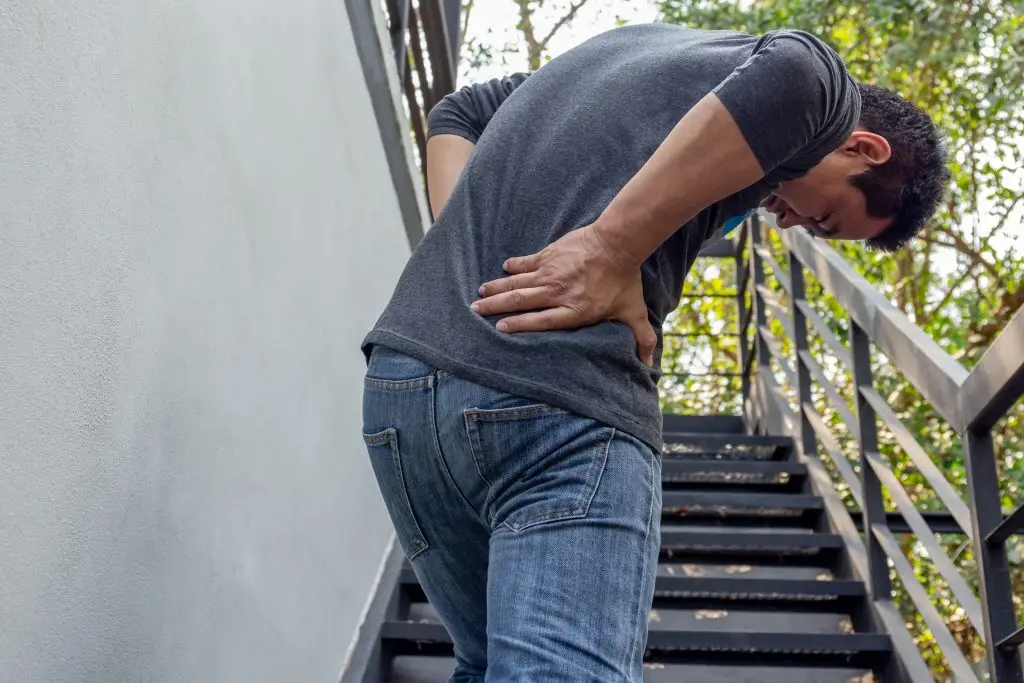
Hip pain is a surprisingly common issue that affects people of all ages. It is a common misconception that you only need to worry about your hips if you’re older or already dealing with mobility issues. The truth is, whether you’re a young athlete, a busy parent, or simply enjoying your life in retirement, hip discomfort can disrupt your daily routine.
The hip is a complex joint involved in almost every movement you make, which means pain can arise for a wide variety of reasons. Each of these underlying causes can have a different treatment method, which is why we always recommend getting a professional evaluation before starting to self-treat.
What causes pain when walking in the hip?
Your hip joints carry the weight of your body while allowing for a wide range of motion. When you’re walking, a complex network of bones, cartilage, muscles, ligaments, and tendons works together to keep you moving forward. If any part of this system becomes irritated, inflamed, or damaged, it can result in noticeable pain.
Here are a few conditions that might cause hip pain when walking a short or long distance:
- Muscle strains: Pushing your body a little too hard during a walk, run, or workout can stretch or tear the muscles that support your hip.
- Bursitis: Sometimes the fluid-filled sacs that cushion your hip joint become inflamed, a condition known as bursitis. This often leads to a dull, aching pain that worsens when you walk or press on the area.
- Wear and tear: Over time and for a variety of reasons, the protective cartilage that cushions the ends of your bones can wear down. In some cases, this is related to osteoarthritis, and in others the pain is idiopathic, or arising with no clear cause (common in young people who experience arthritis symptoms).
- Tendon irritation: The thick bands of tissue that attach your muscles to your bones can become inflamed from overuse, leading to a sharp pain during movement.
Some people are at greater risk for developing hip pain during their seemingly normal routine for a few reasons, including:
- Poor posture: Slouching or walking with an unnatural gait can put uneven stress on your hip joints.
- Unsupportive footwear: Wearing shoes that lack proper arch support or cushioning can change the way you walk, sending shockwaves of stress up your legs and directly into your hips.
- Uneven terrain: Frequently walking on uneven surfaces, like hiking trails or slanted sidewalks, forces your hip muscles to work harder to keep you balanced, which can lead to fatigue and pain.
How to help hip pain at home
If your hip pain is mild to moderate and you don’t have an underlying condition that requires special medical care (like sciatica), there are several steps you can take at home to help ease your discomfort.
A great place to start is the RICE method. This simple approach is highly effective for reducing inflammation and relieving early stages of many types of musculoskeletal pain:
- Rest: Give your hurting hip a break. Avoid activities that make the pain worse, like taking long walks or climbing stairs.
- Ice: Apply an ice pack to the affected area for 15 to 20 minutes a few times a day to numb pain and reduce swelling.
- Compression: Wearing a compression bandage around your hip and thigh can provide extra support when moving around and can also help keep swelling down.
- Elevation: Whenever possible, prop your affected leg up to help reduce fluid buildup in the joint.
In addition to the RICE method, gentle stretching and regular exercise can build up the strength of your legs and hips, providing better support for the joint. Simple movements like bringing your knee to your chest or gently rotating your leg can keep the hip flexible.
However, stretches and exercises might actually make your issue worse. Pushing through the pain or attempting advanced stretches without guidance can lead to further irritation or injury. It’s incredibly important to know for certain what’s causing your pain before trying to self-treat. If your home remedies aren’t helping after a few days, it might be time to seek professional advice.
How physical therapists help you heal a hurting hip
When home treatments aren’t quite enough, a physical therapist can provide the expert care you need. Physical therapy offers a safe, non-invasive way to treat hip pain by that addresses its root cause.
Depending on what’s causing your pain, your physical therapist might use a combination of the following techniques:
- Hands-on care: Also known as manual therapy, this involves the therapist using their hands to gently massage and manipulate your muscles and joints. These techniques can help to improve circulation, reduce stiffness, and ease muscle tension around the hip.
- Customized exercise programs: The hallmark of many physical therapy treatment plans, your therapist will design a specific set of exercises tailored to your unique needs. These exercises are meant to strengthen the weak muscles supporting your hip, improve your flexibility, and restore your full range of motion.
- Posture and gait training: Sometimes, the way you walk or stand can affect when and how severely you experience hip pain. A physical therapist can analyze your movements and teach you how to correct your posture and gait, ensuring your body weight is distributed evenly and taking unnecessary pressure off your hip joints.
- Pain management techniques: Not everyone is able to manage pain with over-the-counter pain medication, so we’ll help you use heat or cold therapies to effectively soothe your specific pain, especially when it interferes with being able to perform other aspects of physical therapy treatment.
Find hip pain relief at Riverbend Physical Therapy
Living with hip pain can make even the simplest tasks feel like a monumental challenge, but you don’t have to navigate it alone. Healing is possible, and the right guidance makes all the difference.
If you’re tired of sitting on the sidelines and want to get back to walking, working, and living comfortably, we are here to help. Call one of our New Orleans clinics or request your first appointment online today.