Please ensure Javascript is enabled for purposes of website accessibility

Category: Pain Management

  • Is Your Normal Routine Causing You Pain? Physical Therapy Can Help

    Is Your Normal Routine Causing You Pain? Physical Therapy Can Help

    “It’s as easy as riding a bike” refers to skills you’ll never truly forget. But while your brain might remember exactly how to prep and plant a garden in the spring, swing a golf club, or paint a ceiling, your body might have a different reaction if you haven’t been doing it recently.

    As we get older, or even when we just step away from specific physical activities for a short amount of time, picking them back up is not always as easy as we expect.

    If you recently spent a Saturday doing yard work only to wake up on Sunday with intense back pain, you’re not alone. Most American adults experience this kind of sudden ache or pain after returning to an old, familiar physical activity. However, it doesn’t mean you will never have the same freedom of movement, physical capacity, or enjoyment of your lifestyle again. It simply points to the reality that what you don’t use every day, you don’t always keep.

    The good news is that you don’t have to accept this pain as your permanent new normal. Our physical therapists and occupational therapists are here to help you get back to the things you love doing. By taking a gentle, guided approach to your health, we can help you regain your strength, move more freely, and enjoy your daily routine with less pain.

    Why do simple activities make me sore?

    It can be frustrating when an activity you consider light or simple suddenly leaves you reaching for an ice pack when you’re done. Take gardening, for example. You might think of it as a relaxing weekend hobby, but it actually requires a complex series of physical movements. You are squatting, bending, lifting heavy bags of soil, and gripping tools for extended periods. If you haven’t done those specific movements in several months, your body may be completely unprepared for the workload.

    When you engage muscles that haven’t been challenged in a while, those muscle fibers experience microscopic stress and tear. This is a completely normal physical response. As your body works to repair those affected muscles, it triggers a mild inflammatory response. This inflammation is what causes the aching soreness you feel 24 to 48 hours after your activity. So, while the task seems simple in your mind, your unprepared muscles and joints were working overtime to support you.

    Why can’t I move the way I used to?

    As the years pass, you might notice that reaching for a high shelf or bending down to tie your shoes is harder than it used to be. Aging affects us all differently, but one of the most universal hallmarks of getting older is a gradual increase in stiffness and a reduction in overall flexibility.

    However, aging doesn’t happen all at once just because you celebrate a milestone birthday. It is a slow, ongoing process. More importantly, your lifestyle plays a massive role in how your body handles the passing years. People who live highly sedentary lives—sitting at a desk all day and relaxing on the couch all evening—often feel the effects of aging on their mobility much sooner than those who are very active on a regular basis.

    When you do not regularly move your joints through their full range of motion, your body adapts to that lack of movement by becoming tighter and less flexible.

    Movement is medicine

    When you get achy and stiff after your first shot at an activity like golfing, your first instinct might be to rest and avoid moving altogether. While resting an acute injury is important, more immobility is rarely the answer for stiffness and routine pain.

    Every single year, more and more evidence proves that movement is essentially medicine for your body. Moving your joints naturally lubricates them, making them glide more smoothly. Strengthening your muscles provides better support for your skeletal system, taking unnecessary pressure off your joints. Ultimately, the more consistently you move in safe, healthy ways, the easier and more comfortable moving becomes.

    So although it’s a cliché, movement is medicine, and it’s another demonstrable way that exercise is good for you. Remember that exercise will look different for everyone—for some, a brisk morning walk is totally doable, while for others, gentle water aerobics or guided stretching might be the limit—but the underlying truth remains the same.

    How physical therapy helps restore mobility

    When you feel stuck in a cycle of stiffness and soreness, physical therapy offers a clear path forward. Physical therapists are movement experts who specialize in helping your body function at its best, whether you’re a professional athlete or are struggling with basic mobility.

    What many people don’t realize is how personalized physical therapy is. We don’t have a standard approach based on your general age or physical condition. Instead, we perform a comprehensive evaluation to understand exactly where your limitations are and what goals you have for your own mobility.

    From there, we create a highly customized treatment plan designed to restore your functional mobility based on your specific lifestyle. Whether you want to comfortably play on the floor with your grandchildren, walk your dog around the neighborhood without knee pain, or simply get out of bed without a stiff back, your treatment plan is tailored to you.

    Mobility experts in New Orleans, LA

    If your daily routine is causing you unexpected pain, you don’t have to suffer in silence or give up your favorite hobbies. With the right guidance, support, and a personalized plan of care, you can rediscover the joy of comfortable, confident movement.

    Our compassionate team is dedicated to helping you overcome your mobility challenges in a welcoming, patient-centered environment. Call a clinic near you or request an appointment online today to get started.

  • 10 tips to make your muscle strain recovery move faster

    10 tips to make your muscle strain recovery move faster

    Muscle strains can be painful and frustrating. You want to get back to your normal routine, but your muscles aren’t quite ready yet. Recovering full strength and range of motion can take time, and physical therapy can help. 

    The timeline for your recovery is based on a lot of factors, and some of these depend on your routine. This means there are steps you can follow to speed up muscle strain recovery. With these tips in mind, you can ensure a return to previous activity levels as soon as possible.

    Tip 1: Rest

    The first step in recovery, and among the most important, is rest. Giving your strained muscle time to rest at first is how you can speed up recovery later on. Avoid painful or uncomfortable activities, and focus on getting plenty of sleep. After a strain, your muscle is at its most vulnerable, so resting is a good way to prevent further injury. Rest speeds up muscle strain recovery by allowing your body to properly heal and avoid future setbacks.

    Tip 2: Manage pain

    Medication, targeted exercise, and supportive braces or other wearables can all reduce any pain you feel from your muscle strain. If your pain is intense enough to require prescription medication, your doctor can help you decide on the best option to suit your treatment needs. 

    Exercise can be a more appealing option for people with lower levels of pain, as it promotes health while also alleviating pain. If pain continues to be a big problem for you, a pain management specialist can help find better solutions. While pain management strategies may not directly speed up your muscle strain recovery, they can reduce discomfort and make everything else easier.

    Tip 3: Ice the muscle

    Applying ice to a strained muscle at home can reduce pain and swelling. Wrapping an ice pack in a towel and applying it for only 15 to 20 minutes at a time can reduce swelling quickly. Persistence is key, as this should be done several times a day for at least the first two or three days after injury. 

    If you continue to experience pain and swelling, you may want to continue icing the muscle to reduce the risk of further swelling. This is one way you can speed up muscle strain recovery, because reducing swelling tends to speed up muscle healing.

    Tip 4: Keep the muscle elevated

    After an injury, keeping the strained muscle elevated above your heart while you’re at home or work can also help reduce swelling. This works because your body will pump less blood into the area of the muscle while it is elevated. For example, if it’s your leg muscle that’s strained, a reclining chair is one of the best ways to elevate the muscle comfortably. 

    If you don’t have a recliner, you can prop your leg up on a pillow or cushion while lying down. Much like using ice, elevation is most important in the first few days after straining the muscle. Keeping swelling down from the start can help you as you move forward, speeding up muscle strain recovery.

    Tip 5: Use compression

    Wrapping the affected area tightly with elastic material can help with swelling and provide support to the injured muscle. There is a wide range of health care compression equipment available to provide support wherever you need it. For example, recovery from a leg muscle strain can be sped up using recovery compression boots.

    Tip 6: Stay hydrated

    Swelling, pain and other symptoms of muscle strain can be made worse by dehydration. Hydration is important to overall health, and it’s especially important when you are recovering from a muscle strain. You should aim to drink plenty of water throughout the day. Avoiding dehydrating snacks and drinks can also help. 

    Tip 7: Eat healthy

    Eating a well-balanced diet goes along with good hydration. A healthy, balanced diet promotes overall good health and healing. Remember to eat plenty of fruits and vegetables to ensure that you are getting all the essential vitamins and minerals. These are vital to your recovery since they provide the body with the raw materials necessary for healing your injured muscle.

    Tip 8: Get manual therapy

    Manual therapy is often a part of physical therapy wellness programs. Mobilizing the tissue in the area around your muscle strain can improve circulation, which promotes healing. Besides alleviating effects like pain and swelling, manual therapy can help restore mobility and function to your body.

    Tip 9: Exercise

    Exercises for strength and flexibility can help speed up muscle strain recovery and prevent future injury. Done correctly, these exercises can help you regain range of motion and strength. 

    Make sure not to overdo it, though, as strained muscles are vulnerable. To ensure you are doing exercises that effectively improve your condition, it can help to consult a physical therapist who can help determine the best exercises according to your abilities.

    Tip 10: Start physical therapy

    Physical therapy is one of the best things you can do to speed up muscle strain recovery. Your physical therapist can develop a recovery program specifically designed to target your individual needs. With the help and guidance of this specialist, you can regain strength and flexibility in your injured muscle.

    SOL Physical Therapy can get your muscle strain recovery up to speed

    At SOL Physical Therapy, our goal is to provide you with the most effective rehabilitation and training services available. We want to help you get better, feel better, and return to performing as well as or even better than before.

    Contact our team today for more information about muscle strain recovery or to schedule your first rehab appointment. 

  • Four benefits of treating pain and injuries with manual therapy

    Four benefits of treating pain and injuries with manual therapy

    Pain and injuries come in many forms that can limit your ability to live your daily life to its fullest. When you have pain and injuries, you need all the help you can get for recovery. In many cases, people can visit physical therapists for help recovering from pain and injuries.

    Physical therapists have many methods at their disposal for helping treat pain and injuries. What they use on you depends on the cause and severity of your pain, but in many cases, physical therapists use manual therapy as part of a personalized treatment routine. 

    What is manual therapy?

    Manual therapy is a series of hands-on techniques that your physical therapist can use to help reduce pain and improve your range of motion. Some examples of manual therapy include soft tissue mobilization, joint mobilization and strain/counterstrain techniques.

    Your physical therapist can examine your condition and determine which manual therapy methods are the safest and most helpful for you.

    Four benefits of manual therapy for pain and injuries

    1. Manual therapy helps improve your range of motion — Tension and weakness in your muscles and soft tissue increases strain on your joints that causes pain and makes it difficult to move the joints. Soft tissue mobilization and joint mobilization helps to improve the strength and flexibility of your soft tissue and joints so you can move more freely.
    2. Manual therapy helps break down scar tissue — Scar tissue is tough, fibrous tissue that builds up on your muscles after an injury. This tough tissue can be painful and limit your range of motion. Soft tissue mobilization can help break down scar tissue to reduce pain and improve your range of motion.
    3. Manual therapy helps reduce your dependency on pain medication — Many people turn to pain medications when dealing with chronic muscle and soft tissue pain. However, medications can cause unwanted side effects and can be addictive. Manual therapy helps reduce your pain so you don’t need to rely on drugs.
    4. Manual therapy helps reduce your chances of needing surgery — If certain conditions progress far enough without treatment, surgery might be necessary for treatment. However, surgery is painful, expensive and risky. Manual therapy can help reduce the chances of you needing surgery for treatment. 

    Visit SOL today for pain and injury treatment

    Are you suffering from long-lasting or intense muscle or joint pain? Our physical therapists at SOL can help. We can examine your condition and provide manual therapy and other treatments that can help you recover from your pain. Contact our team today for more information about treating pain and injuries or to schedule an initial appointment.

  • Three ways you can release your muscle tension

    Three ways you can release your muscle tension

    Do you deal with aches and pains every day? Odds are that tense muscles could be the reason for this daily discomfort. If you have tense muscles, your go-to might be to do some passive stretching, which can be very helpful if done properly. But figuring out how to release muscle tension may require more than just stretching alone. Here are three options you can pair with stretches to help reduce muscle tension: 

    1. Increase core strength

    People who are trying to figure out how to release muscle tension should consider looking at their core. The core is a group of muscles responsible for stabilizing your pelvis and spine. Some of the muscles that are included in this group are the abs, obliques and back muscles, and weakness in such muscles can lead to a misaligned spine and pelvis. In turn, misalignment can easily create tension and other problems in muscles that aren’t in the core. One way to counteract this chain of events is to start increasing your core with core stability exercises, and this can include doing exercises like planks. 

    1. Do more resistance training

    Figuring out how to release muscle tension can also involve doing more resistance training. This type of training is actually intended to boost both strength and muscle flexibility, and a study published by the National Institutes of Health (NIH) reveals that resistance training can be better for improving flexibility than passive stretching. The key is to make sure you’re using the full range of motion of the muscle during each rep. For example, focus on getting your knee as close to the floor as possible and then straighten the legs completely during lunges. 

    1. Try out a foam roller

    You’ve probably seen foam rollers at the gym or at your local fitness store. But you may not have figured out how this tool can help release tension in your muscles. Foam rolling falls into a category that physical therapists call myofascial release. The goal of myofascial release is to apply pressure and specific movements to tense soft tissue, such as muscles. With foam rolling, it’s the combination of the roller and your body weight that supplies the pressure and movement, and it can be used to target tense muscles in the back, legs and many other areas. It’s a good idea to combine stretching and foam rolling to release the most tension from tight muscles. 

    SOL Physical Therapy can help you figure out how to release tension in chronically tight muscles

    At SOL Physical Therapy, we’ve seen how much pain can be caused by overly tense muscles. If you’re looking for a way to release this tension, our team offers free screenings to help you determine the source of the tension. We can also build you a personalized treatment plan designed to treat chronically tense muscles, and this plan may include therapy techniques such as: 

    Don’t wait to start getting our help with your tense muscles. Contact our team today for more information or to schedule an appointment. 

  • Are you suffering with back pain?

    Are you suffering with back pain?

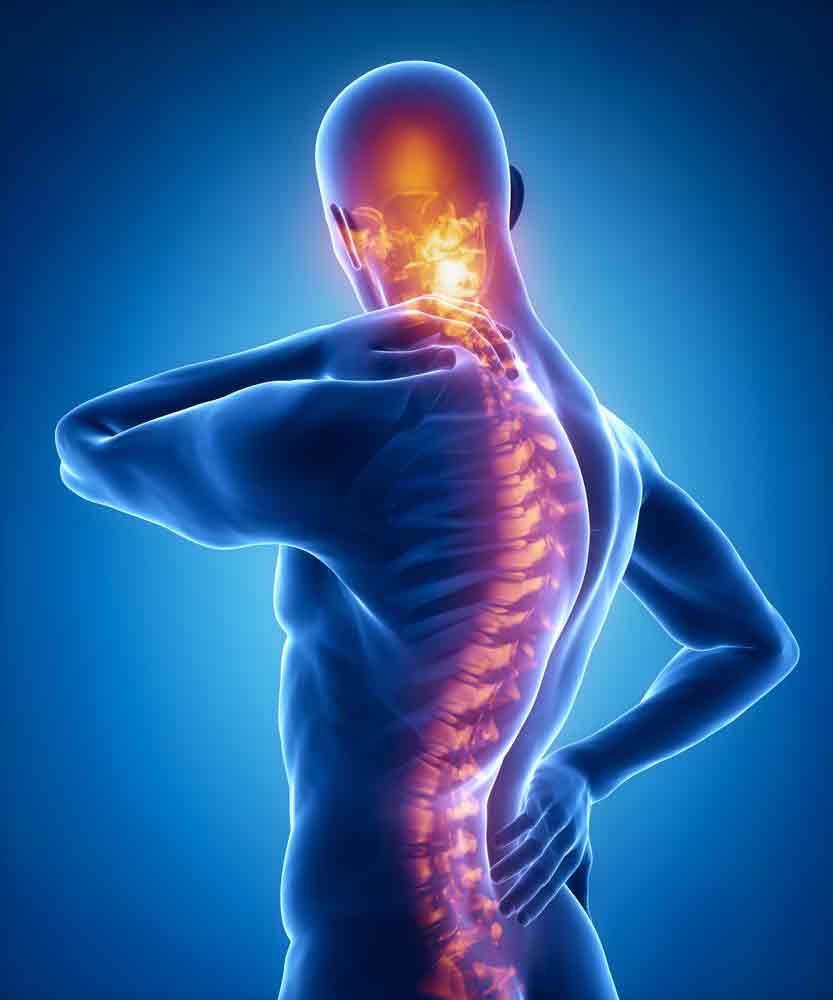
    If you are, you are among the majority. That’s right, around 80% of the population deals with back pain at some point in their life. If you fall into this category, you know the annoyance that is caused by frequent back pain – it can interfere with every facet of life. It can make bending over difficult and cause you to become irritable, making it hard for you to participate as you once did in social activities. In essence, it takes away the life you once had and leaves you with one void of the joy you once experienced. The solution to this problem is to understand what causes back pain in the first place. Do you know the culprit could be your thighs and/or hips?

    How Does Your Thigh or Hip Strength Correlate With Back Pain?

    It might come as a surprise to you, but poor thigh and hip strength often leads to back pain. As you age, your thigh and hip muscles—more specifically the external hip rotators, gluteus muscles and the quadriceps– naturally weaken. This is caused by various factors, such as sitting for long periods of time, along with age. As a result of this weakness, the support your spine once enjoyed is lessened. This in turn makes it harder for you to do simple tasks, like bending over and picking something up. Put simply, it means you don’t have the correct amount of strength in the right places. Consequently, when you bend down repetitively on a daily basis in your weakened state, this will lead to more stress on your back, which causes your pain to worsen.

    How to Know If Your Strength is Located in the Right Places:

    First of all, do the following:
    • Face a mirror.
    • Make sure your head is facing forward and your spine remains straight.
    • Squat down, by sticking your buttocks outward.
    When completing these actions, notice the following:
    • Are you able to squat as you stick out your buttocks?
    • Do you feel discomfort or pressure in your knees?
    • Does one or both of your knees turn inwards?

    If you answered yes to the questions listed above, you likely have problems with the strength and mobility of your pelvis, hips and thighs. These issues could be the culprit behind not only your back pain, but any knee pain you might have as well.

    How to Strengthen Your Hip and Thigh Muscles:

    The simple solution to the problem of back pain would seem to be for you to strengthen your hip and thigh muscles. Of course, that’s easier said than done. That’s where SOL Physical Therapy can truly help. When you choose us for your treatment, we begin by thoroughly analyzing the way you bend and walk. We also make note of how strong your thighs and smaller hip muscles are at the present time. After this assessment, we can pinpoint the areas of your body that need work. The next step will be creating a treatment plan that is specifically designed to help you quickly build strength, and as a result, improve your spinal stability, muscle coordination and eliminate or reduce your back pain.

    For more information on SOL Physical Therapy’s programs to relieve back pain, call us today. We are happy to create a treatment plan that will have you pain free as quickly as possible. Don’t despair; there is hope for life free of back pain.

    SOL can help. Call us today!

  • Facet Joint Pain

    Facet Joint Pain

    Facet joint syndrome is pain at the joint between two vertebrae in your spine. Another term for facet joint syndrome is osteoarthritis.

    The facet joints are the joints in your spine that make your back flexible and enable you to bend and twist. Nerves exit your spinal cord through these joints on their way to other parts of your body. Healthy facet joints have cartilage, which allows your vertebrae to move smoothly against each other without grinding. Each joint is lubricated with synovial fluid for additional protection against wear and tear.

    When your facet joints become swollen and painful due to osteoarthritis, it is called facet joint syndrome.

    Symptoms

    A facet syndrome is an irritation of one or more joints located on either side of the spinal vertebrae. Symptoms include stiffness, a dull ache radiating to a hip or buttock, or a sharp and catching pain when initially injured. An acute episode can cause significant loss of motion and moderate pain. This is often described as “my back went out.” Symptoms are usually worse when arching back or leaning to one side, causing compression or “pinching” of the joint. The pain usually centers in the low back area and doesn’t radiate down the leg.

    Causes

    “Core” weakness of back and abdominal muscles, often in conjunction with tight hip flexors, can underlie this syndrome, especially when there are frequent recurrences. Common causes include poor lifting and bending techniques or activities that cause the spine to over-extend or over-arch. A chronic facet syndrome is often due to arthritis or degenerative changes in the spine leading to too much compression of these lumbar joints. Associated areas of stiffness in the hips or thoracic spine may also lead to excessive pressure on the lumbar facet joints.

    Relief

    Effective treatment consists of specific joint mobilization to “open up” or unload the facet joint and take pressure off. Deep soft tissue mobilization to the surrounding muscles reduces pain, stiffness and the tension which results from protective guarding. Initial exercises take pressure off of the facet joint, and a continuing customized exercise program re-educates the core abdominal and back muscles. Research shows this combination of mobilization and strengthening exercise significantly reduces the likely return of symptoms.

  • Movement Mechaniccs and Back Pain

    Movement Mechaniccs and Back Pain

    Back pain affects millions of Americans and for many it starts from the ground up.

    Ignoring how feet affect the lower back can sometimes mean missing the source of back pain. When walking, the body must adjust to many forces which affect both the feet and the spine.

    When your foot hits the ground, your whole body feels the effect.

    Imagine in your car if your shock absorbers were worn out. You would feel every bump and jolt from the road. Your feet and legs are much the same way. The greater the impact of your step, the more impact it has on your body. When you run, your lower extremities absorb two to five times your body weight. This increased stress on your body can result in lower back pain.

    Poor mechanics of movement in your feet and weakness in your legs can also cause back pain.

    As you walk, and your foot hits the ground, your heel swings from side to side. When moving properly, the foot is supposed to flatten and regain its arch during walking.

    If the heel is swinging too much, because of loose ligaments, the foot may flatten more than it should.

    In addition, if you have very stiff muscles and joints in the feet and lower leg, this can have the same result. If this happens, some of the joints further up the leg and even into your back are forced to support too much weight.

    The muscles then pull harder on these areas, making it more difficult for the tendons and ligaments to hold the bones and joints in place.

    This causes abnormal strain and results in inflammation and pain in these areas.

    It is important to consider the feet when determining the source of back pain.

    Fortunately, many of these problems can be improved by controlling foot and leg movement through proper physical therapy strengthening exercises.


  • Cubital Fossa (Funny Bone) Syndrome

    Cubital Fossa (Funny Bone) Syndrome

    Cubital Fossa Syndrome is a condition that involves pressure or stretching of the ulnar nerve (also known as the “funny bone” nerve).

    Cubital Fossa Syndrome can cause numbness or tingling in the ring and small fingers, pain in the forearm, and/or weakness in the hand.  Weakness of the intrinsic muscles of the hand which will affect grip strength can also occur and in severe cases the weakness may also affect the wrist and forearm.  Symptoms are felt with either repetitive bending of the elbow or if the elbow is pressed against something.  These symptoms are often felt when the elbow is bent for a long period of time, such as while holding a phone or while sleeping. Some people feel weak or clumsy.

    Causes of Cubital Fossa Syndrome
    • Pressure: The ulna nerve sits very close to the humerus bone in the elbow and there is very little padding between the nerve and the skin. This makes it susceptible to being compressed when pressure is applied to that area.  Direct pressure (like leaning the arm on an arm rest) can press the nerve, causing the arm and hand — especially the ring and small fingers — to “fall asleep.”
    • Stretching:  Keeping the elbow bent for a long time can stretch the nerve behind the elbow.  This can happen during sleep.
    • Anatomy:  Sometimes, the ulnar nerve does not stay in its place and snaps back and forth over a bony bump as the elbow is moved.  Repeated snapping can irritate the nerve. Sometimes, the soft tissues over the nerve become thicker or there is an “extra” muscle over the nerve that can keep it from working correctly.
    Physical Therapy Can Relieve Cubital Fossa Syndrome

    Non-Surgical treatment is often successful especially if started early. Physical therapy will involve soft tissue techniques to reduce local adhesions and muscle tightness along with specific “nerve glides” to restore mobility of the ulna nerve as it passes around the elbow. Rest from aggravating activities is important. A pad over the elbow to prevent friction or a night-splint to prevent prolonged bending of the elbow can help.

    Anti-Inflammatory medications are often useful to decrease irritation. If a 4 week treatment regime is not successful then surgery may be indicated. Surgery would involve either an ulna nerve transposition where the nerve is moved away from the bony medial epicondyle or a medial epiconylectomy-removal of the bone to free up nerve movement. Physical Therapy is needed post-surgery to restore elbow mobility, wrist/finger strength and prevent adhesions. Desensitization of the scar may also be needed.


  • Manual Therapy and Stretching Prove Effective for Treating Heel Pain

    Manual Therapy and Stretching Prove Effective for Treating Heel Pain

    Do you have pain at the bottom of your heel as you step out of bed in the morning? Is your running impeded by a nagging ache in your heel? If so, these are two very common symptoms of plantar fasciitis. Plantar fasciitis is the most common foot pain condition treated by health care providers.

    What is it and how can I fix it?

    Plantar fasciitis is actually an inflammation and micro-tearing of the ligament that supports the arch in your foot– the plantar fascia. When your foot hits the ground, the plantar fascia stretches to accommodate your body weight and the ground reaction forces generated by walking and running. During walking, up to 3 times your body weight is taken through your arch; when running, up to 9 times. If the condition develops, the person usually reports a sharp pain under their heel that may spread into the arch of the foot. The onset is typically not from an injury, but develops gradually and, if left untreated, gets worse over time. Many causes can contribute to plantar fasciitis:

    • Standing on your feet all day with poor foot wear
    • Increasing running intensity or distance too quickly
    • Shoes inappropriate for your foot type or shoes that have excessive wear
    • Poor foot mechanics (foot is too flexible or too stiff)
    • Weakness in your core, hips, and lower leg
    • Tight legs, especially calves
    • Low back pathologies with nerve root irritation
    • Poor running mechanics

    What to do about it:

    There are numerous ways to treat plantar fasciitis and some you can easily initiate yourself. Try the following strategies:

    • Ice massage: Rub an ice cube directly to the area of discomfort in a circular motion for 5-7 minutes.
    • Stretch: Calf stretches against wall: straight and bent knee, plantar fascia stretch
    • Proper shoes are essential. Be sure to replace shoes after 300-400 miles of running, depending on your size.
    • Self-massage to plantar fascia with tennis/golf ball or tubing
    • Deep tissue massage to calves
    • Decrease training intensity and cross train if possible
    • Strengthen core and overall lower extremities
    • Wear a “Strassburg sock” at night.

    What’s the next step?

    If you have done all you can and still have pain, what’s next? How do you get back on the trail, back up to your running intensity, on skis again, or simply walking around the block without pain?

    An excellent study in the Journal of Orthopedic and Sports Physical Therapy looked at 60 patients suffering from heel pain. Half were given the stretches mentioned above; the other half underwent the stretches and received manual therapy. The group that received both manual treatment and self-stretching experienced greater improvement in physical function and a greater reduction in pain compared to those performing self-stretching alone.

    Manual treatments can include such things as trigger point dry needling, myofascial/deep tissue release, joint mobilization and manipulation, and manual stretching. All of these, in addition to various taping techniques, specific strengthening exercises addressing foot impairments, and weakness of the hip and low back will help eliminate pain.

    Also, your SOL Physical Therapist can determine the need for a foot orthosis to improve the biomechanics of your lower leg, decreasing strain on the plantar fascia. A full biomechanical evaluation by your SOL Physical Therapist will determine the cause of the irritation, so you can eliminate the factors creating the aggravation. Getting to the cause of the tightness is the key to its resolution and is what keeps it from coming back. Physical therapy is the detective work that teases out all contributing factors and helps you recover.

    If you find yourself suffering from nagging heel pain on one or both feet, try some of the suggestions we have provided and see how it goes.

    If, in a week or so, you are not seeing an improvement, make an appointment —- we will help get you back to moving those feet pain-free!

  • Understanding Shoulder Impingement Syndrome

    Understanding Shoulder Impingement Syndrome

    Our shoulders are designed like a ball and socket, but very different from the deep sockets that hold our hips. In fact, many compare shoulder sockets to a golf ball sitting on a tee.  Because these sockets are so shallow, our shoulders rely heavily on the surrounding shoulder blade and rotator cuff muscles to maintain the balance between mobility and stability.

    The term rotator cuff refers to the muscles and tendons that connect the upper arm bone (i.e. humerus) to your shoulder blade (i.e. scapula) and collarbone (i.e. clavicle). The rotator cuff helps raise and rotate the arm while also keeping the upper arm bone tightly in the collarbone bone socket.  Between the upper part of the shoulder blade (i.e acromion) and the rotator cuff tendons is a lubricated sac of tissue called bursa.  Bursae are actually located all over the body where tissues must rub against each other. In this case, the bursa protects the acromion and the rotator cuff from grinding against each other.

    Why do I have problems with Shoulder Pain?

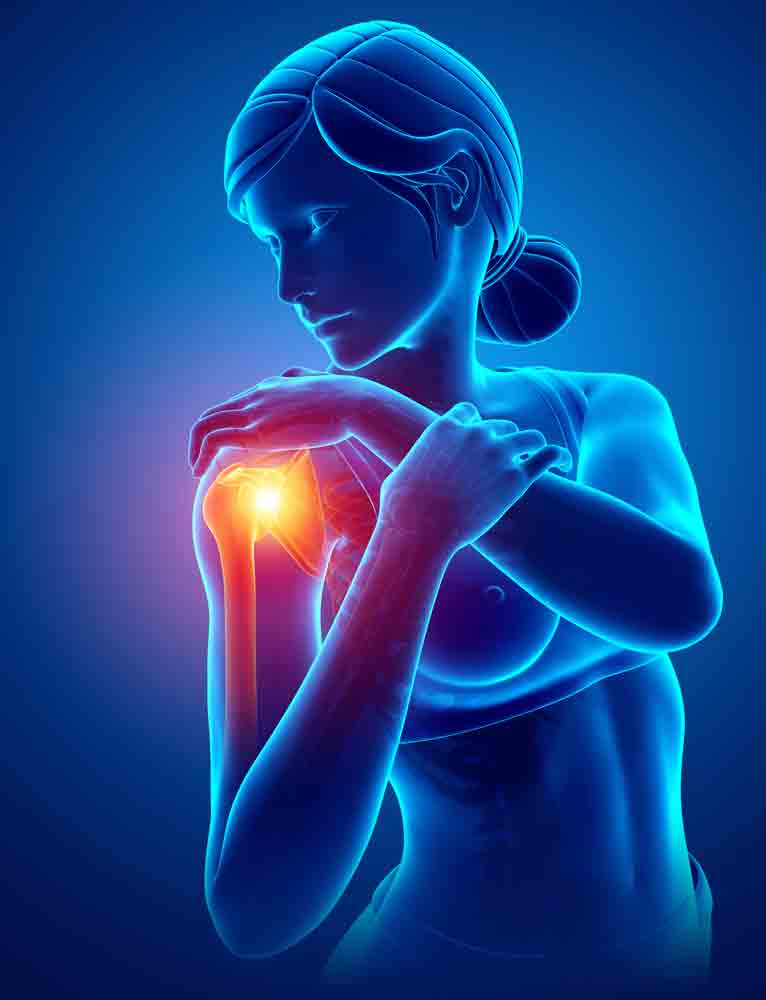
    Usually, there is enough room between the acromion and the rotator cuff so that the tendons slide easily underneath the acromion as the arm is raised. But each time you raise your arm, there is a bit of rubbing or pinching on the tendons and the bursa. This rubbing or pinching action is called impingement.  Usually this doesn’t lead to any prolonged pain. But having poor posture, continuously working with the arms raised overhead, repeated throwing activities, or other repetitive actions of the shoulder can cause the impingement to become a problem.  As a result, nearly 60 to 70 percent of us will deal with shoulder impingement pain at some point. Typically, it happens in our 40s or 50s.

    Shoulder Impingement Syndrome occurs when the space in the shoulder joints narrows (either because of structural issues or posture/movement related issues) and the rotator cuff tendons or bursa become intermittently trapped and compressed during shoulder movements, resulting in pain, inflammation and reduced mobility. When the rotator cuff tendons become inflamed the condition is called rotator cuff tendonitis.  If the bursa becomes inflamed, shoulder bursitis will develop.  Both these conditions can co-exist or be present independently. Both can result in pain, irritation, and reduced mobility.

    What are the Symptoms of Shoulder Impingement Syndrome?

    • An arc of shoulder pain approximately when your arm is at shoulder height and/or when your arm is overhead.
    • Shoulder pain that can extend from the top of the shoulder to the elbow.
    • Pain when lying on the sore shoulder.
    • Shoulder pain at rest as your condition deteriorates.
    • Muscle weakness or pain when attempting to reach or lift.
    • Pain when putting your hand behind your back or head.
    • Pain reaching for the seat-belt.

    What happens if it isn’t treated?

    If shoulder impingement isn’t treated, the inflammation can become chronic. This causes significant pain and limits daily and recreational activity. If tendons are pinched over time, they can tear – either partially or completely. A complete tear of the rotator cuff requires surgery to repair it. That’s why it’s important to address shoulder pain before it reaches this point.

    What are the best types of treatment for shoulder pain?

    Physical therapy can be very successful in treating shoulder impingement syndrome. Studies have shown that hands-on treatment of shoulder joints, neck, and upper back, coupled with specific exercises, can relieve shoulder impingement pain quickly and restore normal function significantly. When properly assessed and treated by a physical therapist, the factors that contribute to shoulder pain can be addressed and surgery can be avoided.

    SOL Physical Therapy’s advanced, hands-on approach to treatment focuses on stretching, reducing pain, and increasing the range of motion. At SOL, you will work with your physical therapist to devise a treatment plan that is specific to your condition and goals. Your individual treatment program may include:

    • Pain Management. Your physical therapist will help you identify and avoid painful movements, as well as correct abnormal postures to reduce impingement compression. Therapeutic modalities, like iontophoresis and ultrasound may be applied. Ice may also be helpful to reduce pain.
    • Manual Therapy. Your physical therapist may use manual techniques, such as gentle joint movements, soft-tissue mobilization, and shoulder stretches to get your shoulder moving properly, so that the tendons and bursa avoid impingement.
    • Range-of-Motion Exercises. You will learn exercises and stretches to help your shoulder and shoulder blade move properly, so you can return to reaching and lifting without pain.
    • Strengthening Exercises. Your physical therapist will determine which strengthening exercises are right for you, depending on your specific condition. Often with shoulder impingement syndrome, the head of the humerus tends to drift forward and upward due to the rotator-cuff muscles becoming weak. Strengthening the rotator-cuff and scapular muscles helps position the head of the humerus bone down and back to ease the impingement. You may also perform resistance training exercises to strengthen your weaker muscles. You will receive a home-exercise program to continue your strengthening long after you have completed your formal physical therapy.
    • Patient Education. Learning proper posture is an important part of rehabilitation. For example, when your shoulders roll forward as you lean over a computer, the tendons in the front of the shoulder can become impinged. Your physical therapist will work with you to help improve your posture, and may suggest adjustments to your work station and work habits.
    • Functional Training. As your symptoms improve, your physical therapist will teach you how to correctly perform a range of functions using proper shoulder mechanics, such as lifting an object onto a shelf or throwing a ball. This training will help you return to pain-free function on the job, at home, and when playing sports.

    Resources

    Khan Y, Nagy MT, Malal J, Waseem M. The painful shoulder: shoulder impingement syndrome.

    Wilk KE, Hooks TR, Macrina LC. The modified sleeper stretch and modified cross-body stretch to increase shoulder internal rotation range of motion in the overhead throwing athlete.

    De Mey K, Danneels LA, Cagnie B, Huyghe L, Seyns E, Cools AM. Conscious correction of scapular orientation in overhead athletes performing selected shoulder rehabilitation exercises: the effect on trapezius muscle activation measured by surface electromyography.

    Struyf F, Nijs J, Baeyens JP, Mottram S, Meeusen R. Scapular positioning and movement in unimpaired shoulders, shoulder impingement syndrome, and glenohumeral instability.

    Castagna A, Garofalo R, Cesari E, Markopoulos N, Borroni M, Conti M. Posterior superior internal impingement: an evidence-based review

  • Managing IT Band Friction Syndrome

    Managing IT Band Friction Syndrome

    Of all of the injuries that can beset runners, the iliotibial band friction syndrome (ITBFS) is by far one of the most common and frustrating. A typical scenario for ITBFS is in a relatively novice athlete who, just when they are really getting accustomed to training on a regular basis, begins to experience lateral knee pain during a run. The pain becomes severe and forces cessation of the activity. By the next day the pain is gone. However, each time that the athlete tries to run again, the pain returns. Discouraged and downtrodden, the athlete is liable to give up. And in too many cases, this is exactly what happens. Fortunately though, with a little bit of insight and preventative steps, ITBS can be an experience that not everyone needs to have. Better yet, when ITBS does become a problem, there are solutions.

    This post will cover the anatomy of the ITB, several of the proposed theories behind why ITBFS develops, measures that can be undertaken to prevent it in the first place and treatment options once the problem has taken root.

    The IT Band

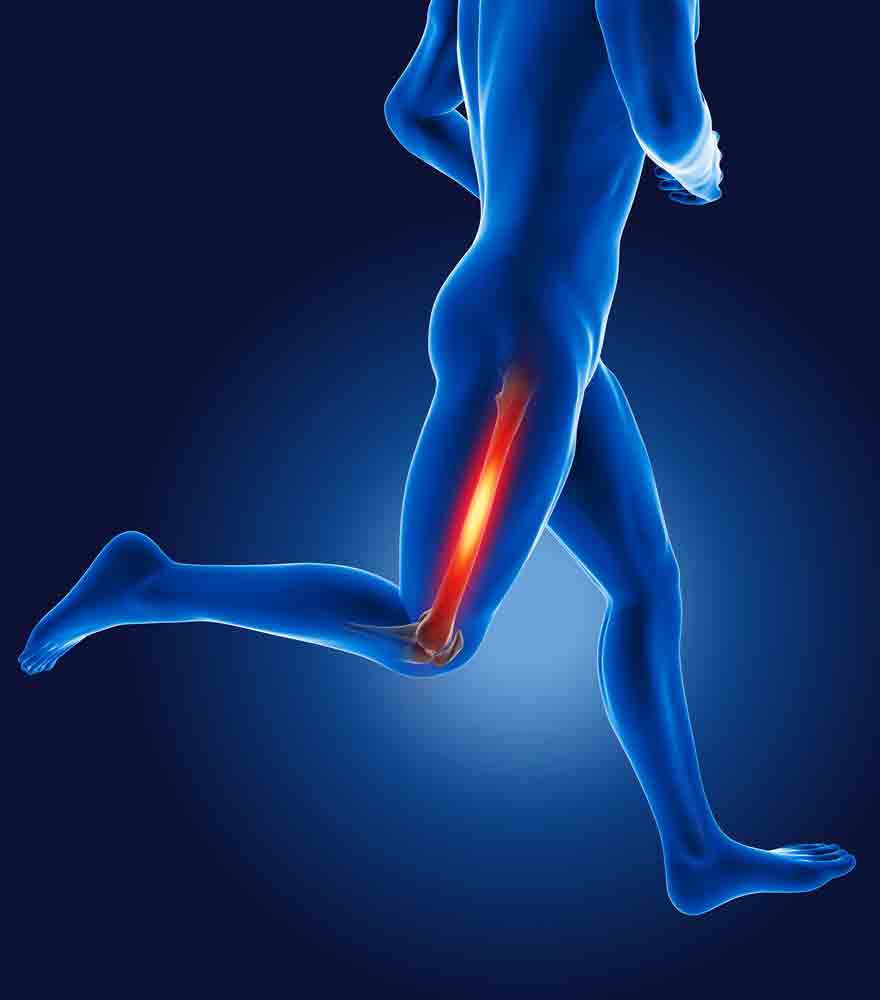
    The iliotibial band (ITB) is a dense, fibrous band originating from the pelvic bone and passing down the outer third of the thigh. At the level of the hip, muscle fibers from the gluteus maximus (GM) and Tensor fascia lata (TFL) merge with the ITB. As the ITB continues down the outside of the leg and approaches the knee joint, it passes over a protuberance on the outer aspect of the femur (thigh bone), the lateral femoral epicondyle (LFE). A thin layer of fatty tissue is located between the ITT and LFE.

    The IT Band Friction Syndrome

    The ITBFS afflicts runners most commonly, though cyclists may experience it as well. The main symptom of ITBFS is a sharp pain on the outer aspect of the knee that can radiate into the outer thigh or calf. While pain is localized along the lateral knee, it also can include the hip. Pain is worse with downhill running, becomes worse with activity after a pain-free start and is more pronounced shortly after the foot contacts the ground surface. Most individuals experience pain only during activities; however, pain with walking is common as the syndrome progresses.

    The most commonly accepted theory of how ITBFS develops posits that the ITB slides back and forth over the LFE as the knee is bent beyond a certain point (about 20 degrees) and then straightened again. Various biomechanical factors are hypothesized to increase this friction, including weak hip abductors (the muscles responsible for pulling the legs apart), a tight ITB, the angle of the knee and the way in which the foot strikes the ground.

    Prevention

    Preventing ITBFS is preferable to treating it once it is established. Fortunately, by following some simple preventative measures, it is possible to have a healthy running career without ever having to deal with ITBFS.

    Proper footwear

    Wearing proper, supportive running shoes, changed at regular intervals. A running shoe loses about 50 percent of its shock absorptive capacity after around 300 miles. Keeping shoes for too long increases the risk of ITBFS and other injuries.

    Strengthen the hip abductors

    Incorporating specific strengthening exercises for the gluteals can be an important preventative measure.

    Increase running volume and pace in a measured fashion

    Doing too much too soon is a sure way to incur running injuries including ITBFS. Volume should increase no more than 5-10 percent per week and longer runs should be done at slower pace than shorter runs.

    Choice of running surface

    Running on concrete or cambered surfaces increases the likelihood of ITBFS. These should be avoided.

    Treatment

    The treatment of ITBFS may be thought of as happening in two stages: acute and chronic.

    The acute stage of therapy is aimed at reducing the inflammation in and around the ITB. This will reduce pain and any associated swelling. Non-steroidal anti-inflammatory drugs (NSAIDs) such as ibuprofen and naproxen are very useful in this regard. These drugs should be avoided by those with a history of kidney issues or peptic ulcers but otherwise are considered quite safe.  The application of ice to the affected area may also provide some anti-inflammatory effects and provide symptom relief.  The final element of the acute phase is a complete cessation of running until such time as the activity may be undertaken without pain (usually one to two weeks).

    The chronic phase of treatment is aimed at alleviating those factors that led to the problem in the first place. This includes all of the preventative measures listed above. In addition, attempts can be made at stretching the IT band at the level of the Tensor fascia lata at the level of the hip—the one place where the IT Band is amenable to lengthening.

    An example of a specific stretch for this purpose is described here:

    • Standing upright, cross the right foot in front of the left foot.
    • Bend forward at the hips as far as is comfortable.
    • Reach with both arms to the right and thrust the hips out to the left.
    • You should feel a stretch over the left hip if you are doing this correctly.
    • Reverse legs and directions to stretch TFL on the right.

    In almost all case, ITBFS is self limited and no more than a painful nuisance. Left untreated though, ITBFS may become chronic and more severe eventually impacting daily activities. In the worst cases, surgery may become an option with excision of the bursal sac that overlies the LFE under the ITB.  This treatment is reserved for the most severe cases though, thankfully encountered only very rarely.

When Was Your Appointment?

We recently changed bill pay providers. Please click the button for the date of your appointment to be directed to the correct online payment portal.